
Explore our collection of philosophy books. Discover key insights and summaries from the best titles in this genre.
Showing 24 of 555 books
by Janne Teller
3.8(21,812)
To prove life's meaning to a classmate perched in a tree, a group of students descend into a chilling spiral of increasingly extreme sacrifices, forcing them to confront the true value of everything they hold dear.
by Naomi Wolf
3.9(21,559)
by Seneca
4.3(21,092)
In these letters, Seneca, a Roman thinker balancing imperial power with Stoic ideas, shares wisdom on virtue, humanity, and living well, even while criticizing the society he served.

by Milan Kundera
3.7(20,657)
Trapped in a coffin and facing certain death, a seventeen-year-old girl named Christy Snow questions her existence, making readers doubt the nature of identity when reality is uncertain.
by C.G. Jung
4.2(20,606)
Explore the universal language of dreams and symbols, guided by Jung, to understand yourself and live a complete, productive life.
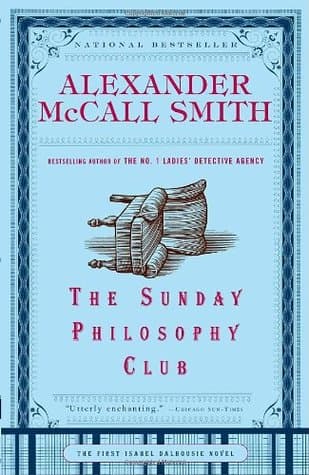
by Alexander McCall Smith
3.4(20,130)
In the philosophical heart of Edinburgh, Isabel Dalhousie, a curious sleuth, untangles moral dilemmas and suspicious deaths, often to the chagrin of her housekeeper and the detriment of her niece's love life.
by Martin Heidegger
4.0(20,123)
Heidegger's major work redefines existence, showing that being human means facing our mortality, thrown into a world of care, anxiety, and the constant need to live authentically.
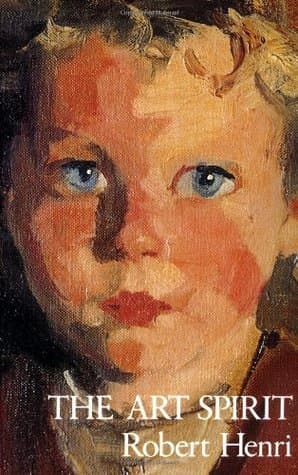
by Robert Henri
3.9(19,646)
Robert Henri's timeless wisdom guides you to see, feel, and express the world with passion and authenticity, helping you find joy in creativity.

by John Stuart Mill
3.7(19,395)
John Stuart Mill's book on utilitarianism, with his parliamentary defense of capital punishment, applies the 'greatest good for the greatest number' idea to difficult societal problems.
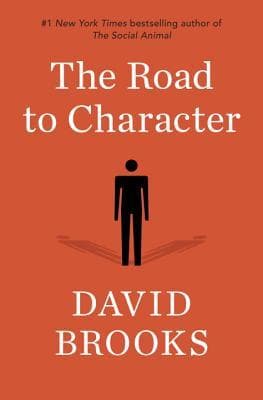
by David Brooks
3.7(19,347)
David Brooks examines how historical figures built inner character through humility, struggle, and self-restraint, offering a guide to a more meaningful life.

by Sadegh Hedayat
4.0(19,253)
An opium-addled artist descends into a hallucinatory labyrinth of obsession and dread, haunted by a mysterious lover and macabre visions, as he grapples with the unraveling threads of his own sanity.
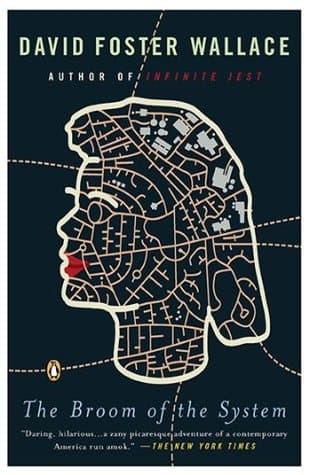
by David Foster Wallace
3.8(19,198)
In a slightly askew 1990 Cleveland, a young woman grapples with a disappearing great-grandmother, a jealous boss, and a cockatiel quoting Auden, all while navigating a reality where language itself seems to be unraveling.
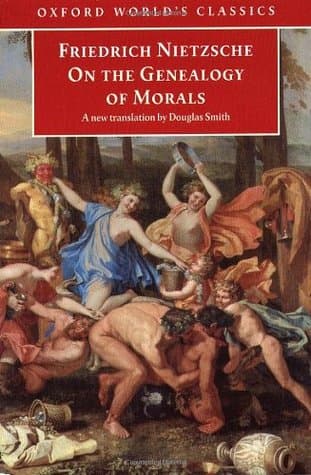
by Friedrich Nietzsche
4.1(19,087)
Nietzsche unearths Judaeo-Christian values of compassion and equality not as divine truths, but as chains designed to shackle humanity's primal, aristocratic spirit.
by Marguerite Yourcenar
4.3(18,979)
This novel shows the burdens of power, the comfort of philosophy, and the human search for meaning through the eyes of a dying emperor.
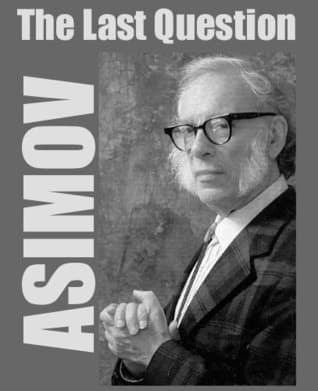
by Isaac Asimov
4.6(18,840)
From humanity's first steps into the cosmos to the universe's heat death, a persistent question about reversing entropy drives the evolution of intelligence.
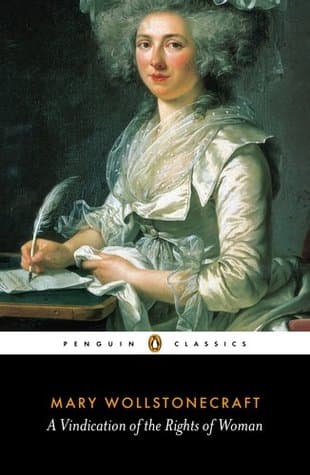
by Mary Wollstonecraft
3.9(18,790)
Mary Wollstonecraft, the audacious mother of modern feminism, ignited the spark of female independence in a world alive with the rights of man. She demanded equal education and professional identity over docile decorum.

by Maggie Nelson
4.3(18,775)
Maggie Nelson explores love, loss, and seeing through the color blue, turning it into a way to think about desire, suffering, and truth.
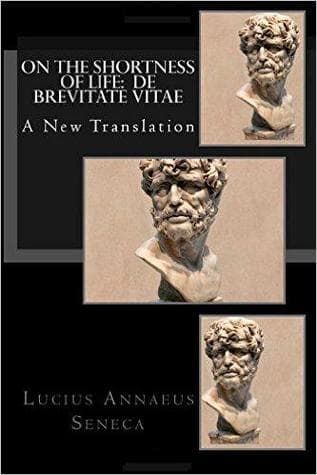
by Seneca
4.2(18,729)
Seneca's Stoic wisdom urges us to live in the present, explaining that life is not short, but often wasted through distraction.
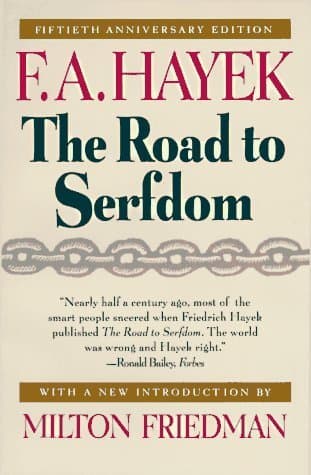
by Friedrich A. Hayek
4.2(18,721)
Hayek's 1944 book warns that government economic control, even with good intentions, leads to totalitarianism, like Nazi Germany and Fascist Italy.
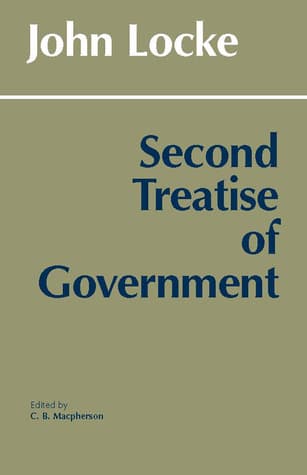
by John Locke
3.8(18,606)
John Locke's treatise, written during a time of absolute monarchy, champions individual liberty, limited government, and the right of the people to overthrow tyranny, fundamentally changing political thought.
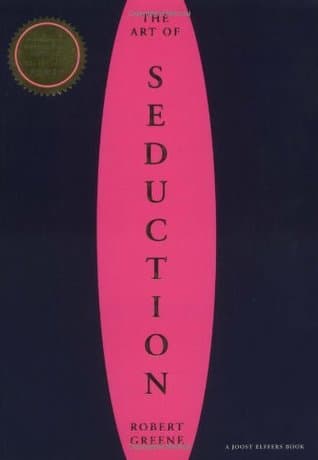
by Robert Greene
4.0(18,531)
This guide unpacks the methods of history's most compelling figures, showing how to master influence and persuasion.
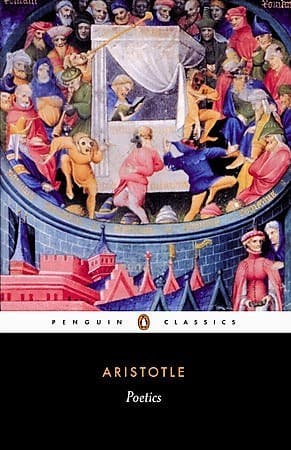
by Aristotle
3.8(18,372)
Aristotle's 'Poetics' explains how tragedy works, showing how well-made plots, flawed heroes, and the mix of pity and fear lead to catharsis, turning pain into pleasure for the audience.
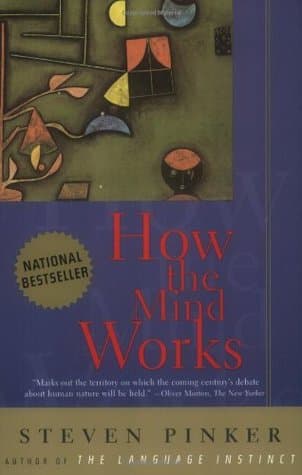
by Steven Pinker
4.0(18,341)
Steven Pinker examines the human mind, explaining its evolutionary roots as a computational organ and challenging common beliefs about emotion, parenting, and human nature with clear thinking and scientific evidence.
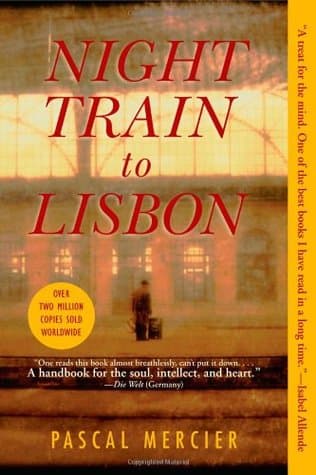
by Pascal Mercier
3.8(18,320)
A disaffected Swiss Latin teacher impulsively abandons his life to journey to Lisbon, obsessively tracing the enigmatic life and philosophical writings of a deceased Portuguese doctor whose words promise a path to understanding loneliness, love, and the self.