“There are sores which slowly erode the mind in solitude like a kind of canker.”
— The narrator reflects on his deteriorating mental state.

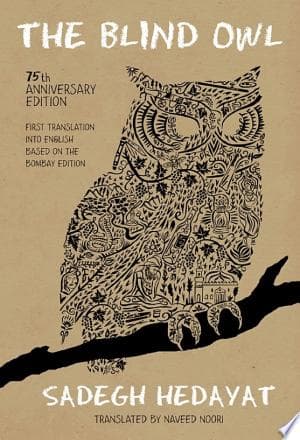
Sadegh Hedayat (2010)
Genre
Philosophy
Reading Time
120 min
Key Themes
See below
Sign in to track this book
An opium-addled artist descends into a hallucinatory labyrinth of obsession and dread, haunted by a mysterious lover and macabre visions, as he grapples with the unraveling threads of his own sanity.
“There are sores which slowly erode the mind in solitude like a kind of canker.”
— The narrator reflects on his deteriorating mental state.
“I am writing only for my shadow on the wall. I must make myself known to it.”
— Opening lines, explaining the purpose of his writing.
“Life is a painful, fleeting moment that has no other purpose than to perpetuate pain.”
— The narrator's bleak view of existence.
“Death is not the end. It is a journey to the land of shadows.”
— Contemplating mortality and the afterlife.
“The world is a prison, and we are all prisoners condemned to death.”
— A reflection on the human condition.
“I saw my own face in the mirror and did not recognize it.”
— A moment of dissociation and identity crisis.
“Love is a disease, and I am infected with it.”
— The narrator's obsessive and destructive love.
“Time is a river that flows backward in my memory.”
— Describing the non-linear nature of his recollections.
“The owl is blind because it sees only in the dark.”
— Metaphorical explanation of the title.
“I am a corpse who thinks, a dead man who writes.”
— The narrator's sense of being already dead.
“Beauty is a mask that hides the horror of existence.”
— Critiquing superficial appearances.
“My shadow is my only companion, and even it betrays me.”
— Expressing profound loneliness and paranoia.
“The past is a ghost that haunts the present.”
— On the inescapability of memory.
“To understand me, you must first lose your mind.”
— The narrator addressing the reader.
Ready to see how well you understood this book? Take our interactive quiz with 10 questions.

Sadegh Hedayat was an Iranian writer and translator. Best known for his novel The Blind Owl, he was one of the earliest Iranian writers to adopt literary modernism in their career.
Jeff Olson
4.4
Thomas Sowell
4.4
Walter Brueggemann
4.3

Rhonda Byrne
4.3

Robin Wall Kimmerer
4.3
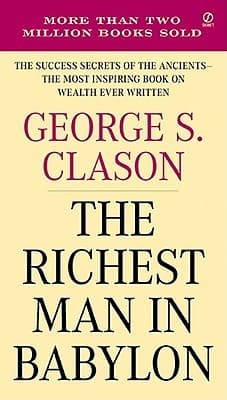
George S. Clason
4.3
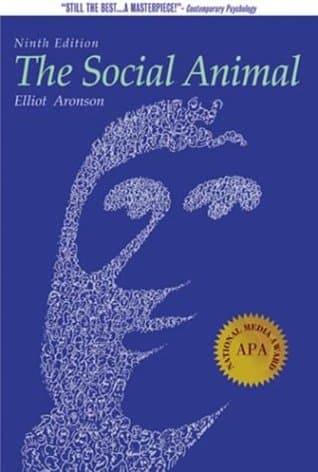
Elliot Aronson
4.3

Joseph Campbell
4.3