BookBrief
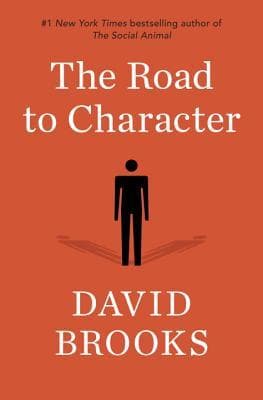
The Road to Character cover
Archivist's Choice

The Road to Character

David Brooks (2015)

Genre

Business / Biography / History / Philosophy / Self-Help

Reading Time

8-10 hours

Key Themes

See below

Track Your Reading

Sign in to track this book

David Brooks examines how historical figures built inner character through humility, struggle, and self-restraint, offering a guide to a more meaningful life.

Core Idea

David Brooks advocates for a return to what he calls the 'eulogy virtues'—deep, internal qualities like kindness, courage, honesty, and faithfulness—over the 'resume virtues' society often prioritizes, such as wealth, status, and achievement. He believes true fulfillment and moral depth come not from self-promotion or the pursuit of happiness, but from self-conquest, humility, and a lifelong effort against one's own weaknesses. Through biographical sketches, Brooks shows how character develops by confronting one's imperfections, recognizing a moral gap between who we are and who we should be, and committing to a higher ideal, often through suffering and service. The book is a call to cultivate inner worth and moral community, stressing that character is a continuous, often difficult, process of moral formation, not an innate trait.
Reading time
8-10 hours
Difficulty
Medium
✓ Read this if...
You are seeking a deeper understanding of moral character, feel a disconnect between societal values and personal fulfillment, or are interested in how historical figures cultivated virtue through struggle and humility. This book is for those willing to engage with complex philosophical and ethical ideas about self-improvement beyond material success.
✗ Skip this if...
You are looking for quick, actionable self-help tips or a purely secular, achievement-focused approach to personal development. If you prefer direct business strategies or a light, entertaining read without deep introspection, this book may feel too philosophical or demanding.

Core idea

The central argument and framework that powers the entire book.

David Brooks advocates for a return to what he calls the 'eulogy virtues'—deep, internal qualities like kindness, courage, honesty, and faithfulness—over the 'resume virtues' society often prioritizes, such as wealth, status, and achievement. He believes true fulfillment and moral depth come not from self-promotion or the pursuit of happiness, but from self-conquest, humility, and a lifelong effort against one's own weaknesses. Through biographical sketches, Brooks shows how character develops by confronting one's imperfections, recognizing a moral gap between who we are and who we should be, and committing to a higher ideal, often through suffering and service. The book is a call to cultivate inner worth and moral community, stressing that character is a continuous, often difficult, process of moral formation, not an innate trait.

At a glance

Reading time

8-10 hours

Difficulty

Medium

Read this if...

You are seeking a deeper understanding of moral character, feel a disconnect between societal values and personal fulfillment, or are interested in how historical figures cultivated virtue through struggle and humility. This book is for those willing to engage with complex philosophical and ethical ideas about self-improvement beyond material success.

Skip this if...

You are looking for quick, actionable self-help tips or a purely secular, achievement-focused approach to personal development. If you prefer direct business strategies or a light, entertaining read without deep introspection, this book may feel too philosophical or demanding.

Key Takeaways

1

The Eulogy Virtues vs. Resume Virtues

Prioritizing inner character over external achievements.

Quote

We all have two sets of virtues, the résumé virtues and the eulogy virtues. The résumé virtues are the skills you bring to the marketplace... The eulogy virtues are the ones that are talked about at your funeral — whether you were kind, brave, honest, or faithful.

Brooks argues that modern society, especially in Western cultures, focuses too much on 'résumé virtues'—qualities that lead to external success like wealth, fame, and status. This focus on the 'Big Me' often leaves people feeling empty despite their achievements. In contrast, 'eulogy virtues' are the deeper, moral qualities that define one's character and relationships, such as kindness, courage, and integrity. These virtues grow through self-reflection, struggle, and a commitment to something larger than oneself. Brooks suggests that...

Supporting evidence

Brooks introduces this central dichotomy as the foundational premise of the book, contrasting the societal push for external success with the quiet, internal work required for moral depth. He revisits this theme through the lives of the historical figures he profiles, showing how they consciously chose to prioritize eulogy virtues.

Apply this

Regularly assess your motivations for daily actions. Are you pursuing external validation or internal growth? Dedicate time to self-reflection, journaling, or meditation to identify and cultivate specific eulogy virtues you wish to strengthen, such as patience, empathy, or honesty. Seek opportunities for service or selfless acts.

eulogy-virtuesresume-virtuesbig-me-cultureinner-life
2

The Crooked Timber of Humanity

Embracing imperfection as a path to character.

Quote

Out of the crooked timber of humanity, no straight thing was ever made.

This quote, often linked to Kant and central to Brooks's ideas, highlights the natural flaws and imperfections within human nature. Brooks believes that character is not built on perfection, but through the difficult process of facing and overcoming one's own weaknesses, biases, and selfish desires. It means accepting that we are all 'crooked timber,' and true growth comes from acknowledging this and constantly correcting ourselves and striving morally. This view frees people from the impossible pursuit of perfection and instead encou...

Supporting evidence

Brooks applies this concept to figures like Dwight Eisenhower, who, despite immense power, consistently practiced self-restraint and humility, acknowledging his own limitations and biases to make better decisions. He also references Augustine's struggle with his own sinful nature as a foundational example of this 'crooked timber' leading to deeper faith and character.

Apply this

Identify your personal 'crooked timber'—your inherent flaws, temptations, or recurring negative patterns. Instead of denying or being ashamed of them, acknowledge them as part of your human condition. Develop strategies for managing these weaknesses, and view moments of failure as opportunities for learning and growth, rather than reasons for despair.

human-imperfectionmoral-struggleself-awarenesshumility
3

The Power of Self-Conquest

Character forged through deliberate self-restraint.

Quote

Character is built in the valley of humility and self-conquest, not on the mountaintop of self-esteem.

Brooks argues against the modern emphasis on unrestrained self-expression and self-esteem as the main drivers of happiness and success. Instead, he supports the often-unpopular idea of 'self-conquest'—the deliberate act of managing one's own desires, impulses, and ego for a higher purpose. This is not about self-hatred but about understanding that real freedom and moral strength come from mastering oneself. It involves developing virtues like discipline, temperance, and delayed satisfaction. By controlling parts of the self that crave...

Supporting evidence

Frances Perkins, a key figure in FDR's administration, is presented as an exemplar. She learned to suppress her own ego and personal desires, becoming an instrument for a larger cause (social justice) rather than seeking individual glory. Her effectiveness stemmed from her disciplined self-effacement.

Apply this

Practice small acts of self-denial daily: delay gratification for a minor pleasure, resist an impulsive purchase, or consciously choose to listen more than you speak. Set a goal that requires sustained discipline and effort, and commit to seeing it through, understanding that the struggle itself builds character.

self-restraintdisciplinedelayed-gratificationhumility
4

The Necessity of the 'Moral Gap'

Character emerging from the chasm between aspiration and reality.

Quote

The character builders understood that the way to get grace was to first admit your unworthiness.

Brooks introduces the idea of a 'moral gap'—the painful awareness of the difference between the person one wants to be and the imperfect person one is. This gap, far from causing despair, is the fertile ground for character development. Recognizing one's own moral failings and limits sparks the desire for growth and the willingness to do the hard work of self-improvement. The 'character builders' in the book often experienced deep moments of humility and even embarrassment, which started their moral journeys. This gap prevents complac...

Supporting evidence

Dorothy Day's conversion experience and her subsequent radical commitment to the poor are rooted in her earlier struggles and recognition of her own spiritual emptiness. Augustine's 'Confessions' is a classic example of acknowledging this moral gap to seek redemption and a higher purpose.

Apply this

Engage in honest self-assessment, perhaps through journaling or reflection, to identify areas where your actions don't align with your values. Don't shy away from feelings of inadequacy, but use them as fuel for positive change. Set specific, small goals to bridge these 'moral gaps' in your daily life.

moral-gapself-awarenesshumiliationspiritual-growth
5

The Love That Transforms

Deep love as a catalyst for moral awakening.

Quote

To love a person is to see all of his or her limitations and still to say 'yes' to that person.

Brooks believes that deep, unconditional love—whether for another person, a community, or a higher power—is a transformative force in character development. This is not just romantic love, but a selfless commitment that involves seeing and accepting imperfections while still affirming worth. Such love often requires sacrifice, empathy, and a willingness to put another's needs first. It moves people out of their self-centeredness and into a larger moral world, fostering virtues like compassion, loyalty, and generosity. The experience o...

Supporting evidence

The profound and often challenging love stories of figures like George Eliot (Mary Ann Evans) and her relationship with George Henry Lewes, or Dorothy Day's radical love for the poor and marginalized, illustrate how devoted relationships can reshape moral priorities and deepen character.

Apply this

Cultivate deeper connections in your relationships by practicing active listening, empathy, and unconditional support. Seek opportunities to serve others, whether in your family, community, or through volunteer work. Reflect on how acts of love and sacrifice have shaped your own moral understanding.

unconditional-loveempathysacrificemoral-transformation
6

The Power of the Moral Ecologies

Character shaped by intentional communities and institutions.

Quote

Character is not built in isolation; it is constructed through relationships and embedded in communities.

Brooks stresses that character is not a purely individual effort; it is shaped by the 'moral ecologies' in which people live. These ecologies are the social environments, institutions, and communities that provide meaning, shared values, and chances for moral practice. Strong moral ecologies—whether families, religious groups, civic organizations, or workplaces with a strong ethical culture—reinforce good behaviors, offer support during struggles, and provide examples of virtuous living. In contrast, weak or corrupt ecologies can harm...

Supporting evidence

Brooks highlights the Quaker community that influenced Frances Perkins, providing a moral framework and a sense of collective purpose that shaped her commitment to social justice. Similarly, the Catholic Worker movement founded by Dorothy Day created a living 'ecology' of service and shared values.

Apply this

Actively seek out communities, groups, or institutions that align with your moral values and provide positive role models. Engage deeply within these communities, contributing your time and effort. If a current environment is detrimental to your character, consider how you might either change it or seek healthier alternatives.

moral-communitysocial-environmentinstitutional-ethicsshared-values
7

The Value of the Long Obedience

Character as a result of sustained, often tedious, moral practice.

Quote

Joy is a byproduct experienced by people who are aiming for something else. But it comes.

Brooks rejects the idea of instant gratification and quick fixes for character development. Instead, he supports 'the long obedience in the same direction'—the sustained, often unglamorous, daily practice of moral virtues. Character is not built in a single heroic act but through countless small decisions, repeated acts of kindness, discipline, and self-restraint over a lifetime. This patient, persistent effort, often without immediate reward or recognition, strengthens moral fiber. Joy, Brooks suggests, is not a goal to be directly p...

Supporting evidence

Figures like A. Philip Randolph and Bayard Rustin, civil rights leaders, exemplified this 'long obedience.' Their decades of disciplined organizing, strategic nonviolence, and unwavering commitment to justice, despite setbacks and personal danger, built not only a movement but also their profound individual character.

Apply this

Identify one virtue you want to cultivate (e.g., patience, gratitude, honesty) and commit to practicing it consistently in small ways every day for a month. Don't expect immediate results or feelings of joy; focus on the consistent effort. Keep a journal to track your progress and reflect on the subtle shifts in your character.

long-obediencedisciplinevirtue-practicedelayed-gratification
8

Suffering as a Forge for Character

Adversity as a catalyst for moral depth.

Quote

The people who have built character are often those who have confronted their own weakness and endured suffering.

Brooks argues that suffering and difficulty, rather than being mere obstacles, are often the most powerful forces in forming deep character. In moments of deep struggle, loss, or personal failure, people shed their illusions, face their limits, and are pushed to develop resilience, empathy, and wisdom. This 'suffering builds character' is not a romanticization of pain, but an observation that those who emerge from hardship with humility and a renewed sense of purpose often have a moral depth and compassion that cannot be gained throug...

Supporting evidence

Many of the historical figures, from Augustine's spiritual torment to Dorothy Day's life of poverty and activism, demonstrate how personal and collective suffering can lead to profound moral and spiritual awakenings, deepening their commitment to their values.

Apply this

When facing personal difficulties, instead of solely focusing on escaping the pain, actively seek to understand what lessons the experience might offer. Reflect on how past challenges have shaped who you are today. Cultivate resilience by practicing mindfulness and seeking meaning in difficult circumstances.

adversityresiliencemoral-depthpersonal-growth
9

The Dignity of Vocation

Finding purpose in a calling beyond self-interest.

Quote

The character builders had an inner code, a sense of what they were called to do, that transcended personal ambition.

Brooks explores 'vocation' not just as a job, but as a deep sense of calling or purpose that goes beyond personal gain. The people he describes often found their greatest fulfillment and built their strongest character by dedicating themselves to a cause, a craft, or a community that aligned with their deepest values. This sense of vocation provides a moral compass, guiding decisions and actions even when they require sacrifice. It shifts focus from 'what can I get?' to 'what can I give?', fostering virtues like commitment, responsibi...

Supporting evidence

Frances Perkins's unwavering commitment to labor reform and social justice was clearly a vocation, not just a career. Similarly, the life's work of George Marshall, dedicated to public service and rebuilding Europe, exemplifies a profound sense of calling over personal ambition.

Apply this

Reflect on what truly ignites your passion and aligns with your deepest values. Consider how your skills and interests could be used to serve a purpose larger than yourself, whether in your career, volunteer work, or personal projects. Actively seek opportunities to align your daily actions with this sense of vocation.

vocationpurposecallingaltruismmeaningful-life
10

Humility as the Foundation

True character begins with an honest assessment of self.

Quote

Humility is not thinking less of yourself, it's thinking of yourself less.

Throughout the book, humility is the foundation of all other virtues. Brooks argues that true character cannot be built without an honest, often difficult, recognition of one's own limits, flaws, and dependence on others or a higher power. This is not self-abasement, but a realistic self-awareness that frees one from ego and opens the door to learning, empathy, and service. Humility allows people to accept criticism, learn from mistakes, and prioritize the needs of others. It is the necessary opposite to the 'Big Me' culture, enabling...

Supporting evidence

Dwight Eisenhower's disciplined self-restraint and his ability to work effectively with diverse personalities stemmed from a profound, practiced humility, where he often downplayed his own contributions for the greater good of the mission. Augustine's journey from pride to profound faith is a classic narrative of humility's transformative power.

Apply this

Practice active listening without interrupting or formulating your response. Ask for feedback on your weaknesses from trusted friends or colleagues, and truly listen to their input. Reflect on your successes and acknowledge the contributions of others and external factors, rather than attributing everything solely to your own genius.

humilityself-awarenessego-tamingvirtue-foundation

Critical analysis

Notable Quotes

The external rewards of life are pretty nice. The internal rewards are the ones that are truly sustaining.

Brooks's overarching theme about the two sets of virtues: resume and eulogy.

We live in a culture that encourages us to think about how to be successful. The road to character is about how to be a good person.

Distinguishing between societal pressures for success and the deeper pursuit of character.

The self is not a thing to be celebrated, but a thing to be overcome.

Emphasizing humility and the struggle against egocentrism in character development.

Character is built in the valley, not on the mountaintop.

Highlighting that adversity and struggle are crucial for character formation.

The highest form of love is not a feeling but a commitment.

Discussing the nature of deep relationships and the dedication required.

Joy is not a function of your circumstances, it's a function of your focus.

Exploring how perspective and internal state influence well-being.

The great paradox of life is that you have to give yourself away to find yourself.

Explaining the concept of self-transcendence and service to others.

To be good is not to be perfect. It is to be on the way.

A compassionate view of moral progress, acknowledging imperfection.

We are not primarily thinkers. We are primarily lovers.

Arguing that emotional and relational capacities are fundamental to human nature.

The things that call us to a higher state are not usually things we choose.

Discussing how unexpected challenges or callings often lead to growth.

True freedom is not the absence of constraints, but the embrace of the right ones.

Challenging the modern notion of absolute freedom, suggesting that structure and commitment can be liberating.

The ultimate character trait is love, and the ultimate expression of love is vulnerability.

Connecting love with the courage to be open and exposed.

The character builder is the person who is most aware of their own weaknesses and limitations.

Emphasizing self-awareness and humility as foundations for growth.

Eulogy virtues are not about what you achieved, but what kind of person you were.

The central distinction Brooks makes between resume virtues (external success) and eulogy virtues (internal character).

The highest good is not happiness, but righteousness.

A philosophical assertion about prioritizing moral integrity over mere pleasure or contentment.

Quiz

Test Your Knowledge

Ready to see how well you understood this book? Take our interactive quiz with 10 questions.

10
Questions
~5
Minutes
?
Best Score

Key Questions (FAQ)

The book challenges the modern emphasis on 'résumé virtues' like wealth and status, arguing instead for a focus on 'eulogy virtues' such as kindness, bravery, and honesty. It explores how individuals can cultivate a deeper inner character through humility and moral struggle.

About the author

David Brooks

David Brooks is a prominent conservative columnist and author, known for his insightful explorations of American culture and morality. His works, including the bestseller 'The Road to Character,' delve into the complexities of human nature and societal trends. Brooks is a regular op-ed contributor for The New York Times and a senior fellow at the Yale University's Jackson Institute for Global Affairs.