The Greatest Happiness Principle
Actions are right in proportion as they tend to promote happiness, wrong as they tend to produce the reverse of happiness.
Quote
The creed which accepts as the foundation of morals, Utility, or the Greatest Happiness Principle, holds that actions are right in proportion as they tend to promote happiness, wrong as they tend to produce the reverse of happiness.
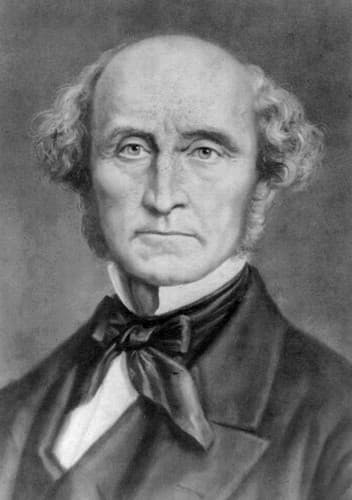
Mill's main point is that the ultimate goal of all human action and morality should be to maximize happiness and minimize pain for the most people. This means thinking about the good of the group, not just individual pleasure. He states that happiness is the only thing desired for its own sake; everything else is either a way to get happiness or part of happiness itself. This idea offers a clear, though challenging, framework for making ethical choices. It moves the focus from duty or divine commands to the actual effects of actions o...
Supporting evidence
Mill defines happiness as pleasure, and the absence of pain; by unhappiness, pain, and the privation of pleasure. He then logically extends this to the 'greatest happiness principle' as the foundational principle of morality.
Apply this
When facing a moral dilemma, consider which action will produce the most overall happiness and the least overall suffering for all affected parties. This requires a broad perspective beyond personal gain.