Natural Rights: The Unalienable Foundation
Before government, individuals possess inherent rights to life, liberty, and property.
Quote
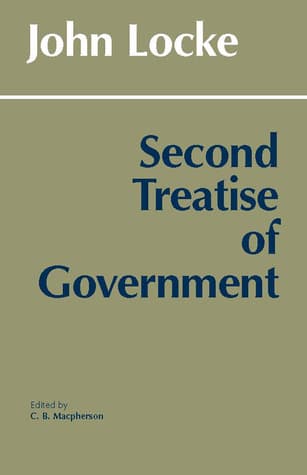
The state of nature has a law of nature to govern it, which obliges every one: and reason, which is that law, teaches all mankind, who will but consult it, that being all equal and independent, no one ought to harm another in his life, health, liberty, or possessions.
Locke states that in the 'state of nature' – a condition before politics – all individuals are free, equal, and independent. This state is not without laws; it is governed by a 'law of nature' that reason can discover. This law says that no one should harm another's life, health, liberty, or possessions. These natural rights are not given by any government; they are part of being human, existing before and thus limiting political authority. Protecting these rights is the main reason for forming civil society, and any government that f...
Supporting evidence
Locke's foundational argument for the 'state of nature' and the 'law of nature' as the basis for all legitimate government, preceding and grounding the social contract.
Apply this
Reflect on modern human rights declarations and constitutional protections. Do they truly reflect unalienable rights, or are they subject to governmental discretion? Advocate for policies that prioritize individual liberties and property rights as fundamental, rather than as privileges granted by the state.