BookBrief
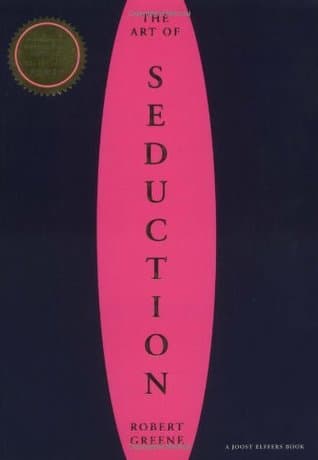
The Art of Seduction cover
Archivist's Choice

The Art of Seduction

Robert Greene (2001)

Genre

Business / History / Relationships / Philosophy / Self-Help

Reading Time

1000 min

Key Themes

See below

Track Your Reading

Sign in to track this book

This guide unpacks the methods of history's most compelling figures, showing how to master influence and persuasion.

Core Idea

Robert Greene's "The Art of Seduction" says seduction is a timeless way to gain power and influence, not just a romantic pursuit. It applies in social, political, and personal situations. Greene uses examples like Cleopatra and John F. Kennedy to show that seduction is a psychological game. It involves charm, manipulation, and using human desires and weaknesses. The book describes different seductive types and their methods. It says real seduction makes an appealing illusion, uses unfulfilled needs, and subtly guides someone to a desired outcome, all while staying mysterious. Mastering these ideas helps someone disarm, persuade, and control others, turning them from observers into willing participants. By understanding and using historical patterns and psychological ideas of seduction, people can improve their persuasive skills, navigate social situations better, and achieve goals through attraction instead of force. Greene details the steps to trap someone, from initial attraction to giving in. He also warns against the "Anti-Seducer" – those whose clumsy or self-centered methods push people away. The book explains human interaction and influence through the lens of seductive power.
Reading time
1000 min
Difficulty
Medium
✓ Read this if...
You are fascinated by power dynamics, historical examples of influence, and psychological strategies for persuasion, or if you want to understand the mechanics behind charisma and attraction in various contexts (not just romantic).
✗ Skip this if...
You are looking for a straightforward guide to ethical relationships, find the idea of 'manipulation' distasteful, or prefer direct communication over strategic ambiguity.

Core idea

The central argument and framework that powers the entire book.

Robert Greene's "The Art of Seduction" says seduction is a timeless way to gain power and influence, not just a romantic pursuit. It applies in social, political, and personal situations. Greene uses examples like Cleopatra and John F. Kennedy to show that seduction is a psychological game. It involves charm, manipulation, and using human desires and weaknesses. The book describes different seductive types and their methods. It says real seduction makes an appealing illusion, uses unfulfilled needs, and subtly guides someone to a desired outcome, all while staying mysterious. Mastering these ideas helps someone disarm, persuade, and control others, turning them from observers into willing participants.

By understanding and using historical patterns and psychological ideas of seduction, people can improve their persuasive skills, navigate social situations better, and achieve goals through attraction instead of force. Greene details the steps to trap someone, from initial attraction to giving in. He also warns against the "Anti-Seducer" – those whose clumsy or self-centered methods push people away. The book explains human interaction and influence through the lens of seductive power.

At a glance

Reading time

1000 min

Difficulty

Medium

Read this if...

You are fascinated by power dynamics, historical examples of influence, and psychological strategies for persuasion, or if you want to understand the mechanics behind charisma and attraction in various contexts (not just romantic).

Skip this if...

You are looking for a straightforward guide to ethical relationships, find the idea of 'manipulation' distasteful, or prefer direct communication over strategic ambiguity.

Key Takeaways

1

The Seductive Character: Beyond Looks

Seduction isn't about physical beauty; it's about cultivating a compelling persona.

Quote

Seduction is a game of psychology, not beauty, and it is within the grasp of any person to become a master of the game.

Greene redefines seduction as a psychological art. He says real seduction comes from a developed character, a unique and magnetic presence beyond physical looks. This means understanding and becoming one of the archetypal seducer types—like the Siren, the Rake, or the Ideal Lover—each with its own psychological appeal. The goal is to create an aura of desirability, mystery, and fulfillment, making the target feel seen, understood, and drawn to the seducer. It is about creating an illusion of potential, a promise of an experience the t...

Supporting evidence

Greene details various archetypes, such as the Siren (Cleopatra), the Rake (Don Juan), and the Ideal Lover (Casander), illustrating how their distinct psychological profiles, rather than just their looks, made them irresistible. Cleopatra's power, for instance, lay in her theatricality and ability to constantly reinvent herself, keeping Mark Antony enthralled.

Apply this

Identify your core personality strengths and consciously amplify them to create a distinctive, alluring persona. Study the archetypes Greene presents and consider which aspects resonate with you, then practice embodying those traits. Focus on developing a unique style, mannerisms, and conversational approach that differentiates you and sparks curiosity.

seductive-archetypespsychological-appealcultivated-persona
2

The Art of the Approach: Indirect and Gradual

Effective seduction is a slow burn, not a direct assault, building intrigue through indirect methods.

Quote

The greatest mistake in seduction is to be too direct. The seducer must first lull the victim into a false sense of security, then slowly draw them into their web.

Greene states that being direct ruins seduction. A direct approach, especially early on, causes suspicion and resistance. Instead, a master seducer uses an indirect, slow method, gradually lowering the target's defenses. This involves creating comfort and familiarity, often through a 'friendly' appearance, before subtly adding intrigue, mystery, and desire. The process is like a slow dance, where each step is measured to draw the target closer without them realizing they are being led. The goal is to make the target feel they are star...

Supporting evidence

Greene cites the historical example of courtesans who would first establish themselves as intellectual companions or confidantes, making their male targets feel understood and appreciated, before gradually introducing a romantic or sexual dimension. This indirect method disarmed their targets' initial resistance.

Apply this

Avoid overt compliments or declarations of interest early on. Instead, focus on shared interests, humor, and active listening to build rapport. Gradually introduce subtle flirtation, suggestive glances, or intriguing snippets about yourself that leave the target wanting more. Create situations where 'chance' encounters seem to occur naturally.

indirect-approachgradual-escalationpsychological-disarming
3

Creating the Illusion of Choice

Make your target believe they are in control, while subtly guiding them where you want them to go.

Quote

The target must feel that he or she is making the move, that the desire originates with them.

A key part of Greene's seduction idea is making the target feel they have a choice. The seducer never forces or demands. Instead, they arrange situations and offer options that subtly guide the target to the desired outcome. This involves planting ideas, creating chances for the target to 'discover' their own attraction, and making them feel like the initiator. By letting the target believe they are in control, their defenses stay low, and their involvement deepens. This manipulation of perception is important because people resist be...

Supporting evidence

Greene discusses how many historical seducers would present a 'challenge' or a 'mystery' to their targets, inviting them to pursue the seducer rather than the other way around. This made the pursuit feel like the target's own initiative and conquest. For example, a Coquette's hot-and-cold behavior makes the target work harder for attention, believing they are winning her over.

Apply this

Instead of directly asking for something, frame it as an invitation or a possibility. Offer two choices, both of which lead to your desired outcome. Encourage the target to share their thoughts and feelings, then subtly mirror or validate those that align with your agenda. Create situations where they feel they are 'discovering' your attractive qualities.

illusion-of-controlpsychological-manipulationguided-choice
4

Isolating the Target: Breaking Down Defenses

Separate the target from their usual environment and influences to make them more susceptible.

Quote

The greatest weapon in the seducer's arsenal is to isolate the target from their normal environment and social circle.

Greene says that to truly seduce someone, you must separate them from their usual influences and routines. People resist seduction most when they are around friends, family, or familiar places, as these provide security and reinforce their identity. By bringing the target into a new, unfamiliar, or slightly forbidden environment, the seducer creates a space where the target's usual defenses and critical thinking weaken. This isolation can be physical, moving them to a new place, or psychological, making them feel uniquely understood a...

Supporting evidence

Greene highlights the tactic of taking a target on a trip, even a short one, away from their daily life. The novelty of the environment, combined with the intense focus on the seducer, creates a powerful bond. Courtesans would often invite patrons to exclusive, private spaces, cutting them off from their public persona and societal expectations.

Apply this

Suggest activities that take the target out of their comfort zone or usual haunts. Create intimate, private settings for your interactions. Frame your connection as something special and unique, setting it apart from their other relationships. Encourage them to confide in you, creating an emotional isolation from others.

social-isolationvulnerability-creationenvironmental-manipulation
5

Playing on Unfulfilled Desires and Childhood Fixations

Tap into the target's deepest, often unconscious, longings and unresolved past experiences.

Quote

Every person carries within them a void, a missing piece from childhood, an unfulfilled desire. The seducer's art is to locate this void and appear to fill it.

Greene explores the Freudian aspects of seduction, saying that the strongest influence comes from finding and using the target's unfulfilled desires, childhood fixations, and psychological gaps. These are often unconscious longings—for attention, validation, adventure, or a parent figure—that come from past experiences. The seducer acts as a mirror, reflecting back the qualities the target craves, or embodying the missing piece they seek. This is not about surface flattery. It is about deeply understanding the target's mind and presen...

Supporting evidence

Greene discusses how many seducers, like the Ideal Lover, carefully listen to their targets' complaints about their current relationships or lives. They then subtly present themselves as possessing the very qualities or offering the experiences the target explicitly or implicitly desires. Napoleon, for instance, tapped into Josephine's desire for security and status.

Apply this

Listen intently to the target's stories about their past, their complaints, and their dreams. Identify recurring themes or unspoken longings. Then, subtly embody or offer the solution to these voids. If they crave adventure, become an adventurous companion; if they yearn for intellectual stimulation, become their intellectual equal.

psychological-voidsunconscious-desireschildhood-fixations
6

The Power of the Chase: Hot and Cold

Maintain dynamic tension by alternating between attraction and withdrawal, keeping the target on edge.

Quote

The human heart is stimulated by alternation. If you are too available, you lose your charm. If you are too distant, you lose your hold. The Coquette masters this balance.

Greene supports the 'Coquette' type as someone who masters the hot and cold dynamic, a key tactic for keeping seductive power. Always being available or showing constant affection quickly leads to boredom and a feeling of low value. On the other hand, too much distance can lead to disinterest. The skill is in a planned back and forth: drawing the target in with warmth and attention, then subtly pulling back, creating worry and a renewed sense of pursuit. This push-and-pull keeps the target off-balance, always trying to get the seducer...

Supporting evidence

The Coquette archetype is built entirely on this principle. Greene describes how figures like Marilyn Monroe, whether intentionally or not, mastered this by being alluringly present one moment and elusive the next, driving men to obsession. Their unpredictability made them irresistible.

Apply this

After a period of intense engagement, create a brief, subtle distance. Respond slower, be 'busy' with other things, or appear slightly preoccupied. Then, re-engage with renewed warmth. Never fully reveal your hand or become completely predictable. Keep a touch of mystery and unavailability to maintain the chase.

coquette-strategypsychological-addictionunpredictability
7

The Grand Illusion: Creating a Fantasyland

Elevate the interaction beyond the mundane, crafting an experience of fantasy and escape.

Quote

The seducer's supreme art is to transport the target out of the mundane and into a world of fantasy, where their desires can be fulfilled.

Greene says seduction is not just about personal connection; it is about creating a whole world for the target—a fantasy that promises escape from their boring reality. Most people live in routine and with unfulfilled dreams. The seducer uses this by offering a look into a more exciting, romantic, or adventurous life. This involves drama, chosen settings, interesting stories, and a sense of mystery. The seducer becomes the way to this better reality, making the target feel that with them, life will be more lively, passionate, and mean...

Supporting evidence

Greene cites figures like Andy Warhol, who created an entire 'Factory' scene that drew people in with its promise of glamour, artistic freedom, and a break from conventional life. This was a carefully constructed fantasyland that made people feel special and part of something extraordinary.

Apply this

Identify what aspects of their life the target finds mundane or dissatisfying. Then, subtly present yourself and your interactions as the antidote. Plan dates or activities that are novel, slightly dramatic, or transportive. Weave stories that hint at adventure, romance, or a deeper meaning. Cultivate an aesthetic that feels unique and enchanting.

fantasy-creationescapismtheatricality
8

The Anti-Seducer: Avoid These Fatal Flaws

Recognize and eliminate behaviors that repel and destroy seductive potential.

Quote

The Anti-Seducer is a person who, through their insecurity, self-absorption, or inability to read others, repels rather than attracts.

Greene focuses on the 'Anti-Seducer'—an important contrast to understanding good seduction. These are people whose behaviors actively push others away, often because of deep insecurities, self-focus, or a lack of social understanding. Common anti-seductive traits include neediness, not being able to listen, being too moralistic or preachy, showing insecurity, being too eager, or lacking mystery. These flaws instantly break the seduction by making the target uncomfortable, bored, or annoyed. Understanding the Anti-Seducer is important ...

Supporting evidence

Greene offers numerous examples of anti-seductive types, such as the 'Brute' (overly aggressive), the 'Clingy Baby' (needy and insecure), and the 'Moralizer' (judgmental and preachy). He details how these traits instantly shut down any potential for attraction, as they make the target feel pressured, uncomfortable, or superior.

Apply this

Engage in honest self-assessment to identify any of the anti-seductive traits you might possess. Actively work on listening more than you speak, avoiding boasting or excessive self-disclosure, cultivating an air of independence, and refraining from judgment. Practice emotional self-regulation to avoid appearing needy or desperate.

anti-seductive-traitsfatal-flawssocial-intelligence
9

The Art of Retreat: Knowing When to Withdraw

Strategic withdrawal at the peak of desire intensifies attraction and prevents boredom.

Quote

The greatest seducers know that the moment to withdraw is not when the target is bored, but when they are most deeply engaged and desiring more.

Greene emphasizes how important strategic withdrawal is as a powerful seductive move. A common mistake is to stay too long, become too predictable, or give too much once the target is interested. This leads to boredom and less desire. Instead, the master seducer knows that leaving the target wanting more—withdrawing at the peak of their interest or desire—is more effective. This creates a lingering hunger, a sense of loss, and renewed obsession. It reinforces the seducer's value and scarcity, making the target pursue them more intense...

Supporting evidence

Many historical seducers, particularly the Coquette, would disappear or become unavailable after a particularly intense or intimate encounter, leaving their targets in a state of longing and speculation, often driving them to desperate measures to regain attention.

Apply this

After a successful interaction or a moment of peak connection, be the first to end the conversation or date, even if you could continue. Leave the target with a positive, lingering impression and a desire for more. Don't immediately respond to every text or call; create a slight delay to build anticipation.

strategic-withdrawalpeak-desireunfulfilled-promise
10

Mastering the Language of Seduction: Ambiguity and Suggestion

Communicate through subtle hints, double meanings, and non-verbal cues to create intrigue.

Quote

The language of seduction is not about what is said, but what is implied. It is a game of suggestion and ambiguity.

Greene says that the real language of seduction is not direct or obvious but works through suggestion, ambiguity, and non-verbal communication. Open declarations or clear intentions remove mystery and can cause resistance. Instead, the seducer skillfully uses double meanings, suggestive looks, subtle touches, and carefully chosen words that hint at deeper meanings without fully revealing them. This creates an interesting puzzle for the target, engaging their imagination and making them fill in the blanks, often projecting their own de...

Supporting evidence

Greene frequently references how historical figures like Casanova were masters of subtle, suggestive language, using compliments that could be interpreted in multiple ways or telling stories that hinted at their own mysterious past, making women endlessly curious.

Apply this

Practice using suggestive language, gentle teasing, and playful innuendo rather than direct statements. Master the art of the lingering gaze, the subtle smile, or the brief, accidental touch. Leave certain things unsaid, allowing the target's imagination to do the work. Cultivate a slight air of mystery about your own life and intentions.

ambiguous-communicationnon-verbal-seductionsuggestive-language

Critical analysis

Notable Quotes

The greatest seducers are not those who are physically attractive, but those who create an aura of mystery and fascination.

Introduction on the power of allure over superficial charm.

In seduction, the victim must be led to believe they are in control, while you subtly guide their emotions.

Discussing the strategy of creating an illusion of power.

People are tired of the same old routines; they crave novelty and the unexpected.

Emphasizing the importance of breaking patterns to captivate others.

The key to seduction is to understand the desires and weaknesses of your target.

Highlighting the need for psychological insight in seduction.

Create a sense of exclusivity: make people feel they are part of a select group.

Advising on how to build allure through scarcity and privilege.

Seduction is a game of patience; the slow, deliberate approach is often the most effective.

Warning against haste and advocating for strategic timing.

Use your words to paint vivid pictures and stir the imagination.

Describing the role of language and storytelling in seduction.

The seducer must be a master of disguise, adapting to the needs and fantasies of the target.

Explaining the importance of flexibility and persona-shifting.

Avoid the obvious; the more you reveal, the less intriguing you become.

Stressing the value of maintaining an air of mystery.

In history, the greatest leaders were often seducers who charmed their way to power.

Drawing parallels between seduction and political or historical influence.

Seduction is not about manipulation for evil, but about understanding human nature to create connection.

Addressing ethical considerations and the positive aspects of seduction.

The art of seduction lies in making the other person feel uniquely seen and understood.

Focusing on empathy and validation as core techniques.

Use setbacks and obstacles to your advantage; they can heighten desire and drama.

Advising on turning challenges into opportunities in seduction.

Seduction is a dance of give and take, where you alternate between presence and absence.

Describing the rhythmic and strategic nature of engagement.

Quiz

Test Your Knowledge

Ready to see how well you understood this book? Take our interactive quiz with 10 questions.

10
Questions
~5
Minutes
?
Best Score

Key Questions (FAQ)

The Art of Seduction is a guide to the psychology and tactics of seduction as a form of influence and power. It synthesizes historical examples, from figures like Cleopatra to John F. Kennedy, and outlines 24 maneuvers and character types like the Siren or Charmer to teach persuasion skills in relationships, business, and personal strategy.

About the author