The Master-Slave Morality Divide
Morality's origins are rooted in power dynamics, not universal truths.
Quote
The noble type of man experiences *itself* as determining value; it has no need of approval; it judges 'what is harmful to me is harmful in itself'...
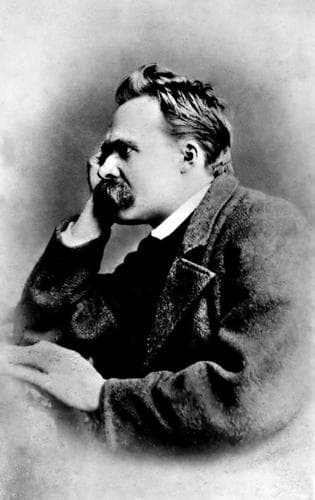
Nietzsche says morality is not a divine or objective construct but a historical product of two opposing views: 'master morality' and 'slave morality.' Master morality, from the dominant class, values strength, pride, nobility, and self-affirmation. Good is what is strong and powerful; bad is what is weak and contemptible. Slave morality comes from the oppressed. Unable to challenge their masters directly, they invent a new moral framework. This framework revalues the masters' values, making their 'good' 'evil' and their own suffering,...
Supporting evidence
Nietzsche's historical analysis of ancient Greek and Roman societies, where the noble warrior class defined 'good' based on their own attributes (strength, courage), and contrasts it with the later emergence of priestly castes and their revaluation of suffering and humility.
Apply this
When evaluating moral claims or societal values, question their origins. Ask: Who benefits from this moral code? Whose interests does it serve? Is it a product of strength or a response to weakness? This helps uncover hidden power dynamics behind seemingly objective ethics.