
Explore our collection of science books. Discover key insights and summaries from the best titles in this genre.
Showing 24 of 199 books
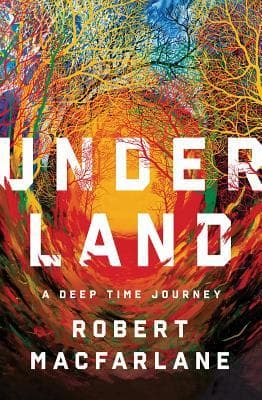
by Robert Macfarlane
4.2(6,709)
Explore Earth's hidden depths, from ancient ice caves to nuclear waste sites, to understand humanity's complex relationship with the underworld through time.
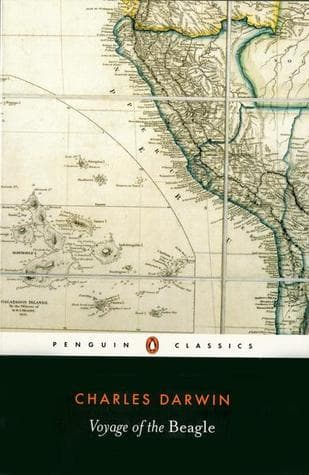
by Charles Darwin
4.0(6,542)
Charles Darwin's five-year journey on the HMS Beagle, with its detailed observations of geology, plants, and animals, formed the basis for his groundbreaking theories on evolution, changing how we understand life on Earth.
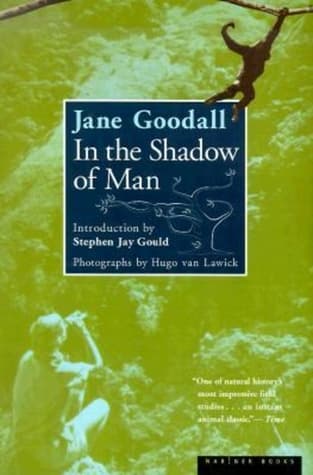
by Jane Goodall
4.3(6,445)
Armed with an insatiable curiosity and a notebook, Jane Goodall plunges into the Tanzanian jungle to unveil the complex, often human-like, world of wild chimpanzees, forever changing our understanding of primate behavior and our place in the natural kingdom.
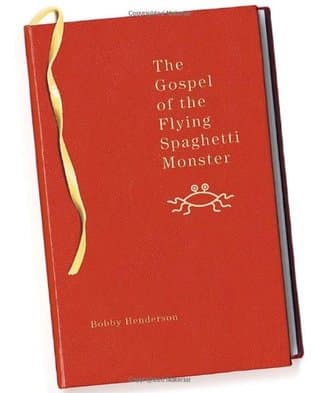
by BobHenderson
3.6(6,417)
This satirical gospel reveals the universe's divine truth, where a Flying Spaghetti Monster with a love for pirates and beer volcanoes challenges intelligent design with amusingly flimsy logic and undeniable carbohydrate appeal.
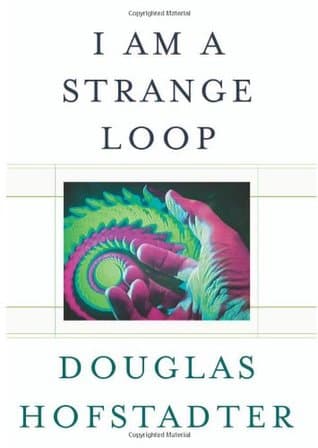
by Douglas R. Hofstadter
4.0(6,228)
Douglas R. Hofstadter explores the 'strange loop' of self, arguing that consciousness comes from the paradoxical, self-referential feedback in our brains, where an abstract 'I' appears to defy the particles that create it.
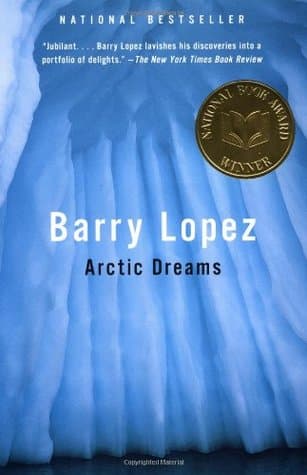
by Barry Lopez
4.2(6,117)
In "Arctic Dreams," Barry Lopez combines natural history with deep thought to show how the Far North's stark, grand landscape shapes human imagination and desire.
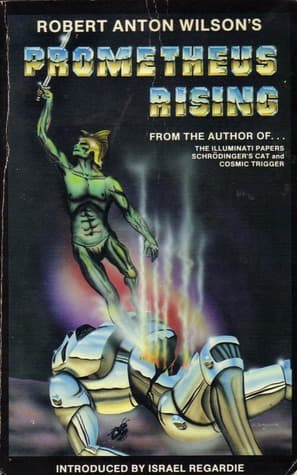
by Robert Anton Wilson
4.3(5,904)
Explore how eight neurological circuits, quantum mechanics, and yoga, with insights from Leary, Gurdjieff, Korzybski, and Crowley, can unlock human consciousness.
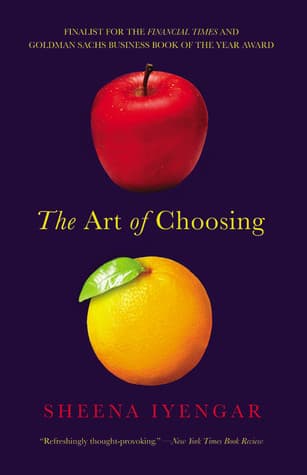
by Sheena Iyengar
3.8(5,871)
Explore the science and philosophy behind our daily decisions, revealing the hidden forces that shape our choices, from small to life-changing.

by Taro Gomi
4.2(5,815)
From tiny mice to massive elephants, this charming classic reminds every child that pooping is a perfectly natural and universal part of life for all creatures, big and small.

by Albert Einstein
3.8(5,728)
This collection goes beyond Einstein's scientific theories, showing his humanistic thoughts on society, ethics, and the search for peace and freedom.
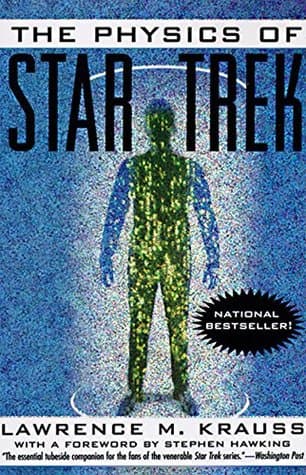
by Lawrence M. Krauss
3.8(5,682)
Lawrence Krauss explains the real science behind 'Star Trek's' technologies, from warp drives to holodecks, showing what's possible and what isn't.
by Sigmund Freud
3.8(5,663)
Freud uses psychoanalysis to describe religion as a collective neurosis, a comfort that prevents scientific reason.
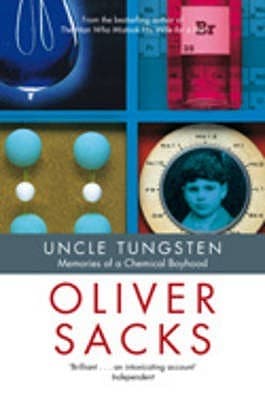
by Oliver Sacks
4.0(5,534)
In wartime England, a young Oliver Sacks, surrounded by a science-steeped family and finding solace amidst an unhappy boarding school, embarks on a lifelong adventure fueled by the "smell, the beauty, the mystery of chemistry."
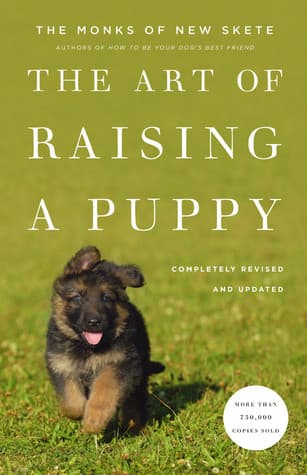
by Monks of New Skete
4.1(5,351)
Learn the Monks of New Skete's wisdom for turning a new puppy into a well-behaved, loving companion through understanding, respect, and early training.
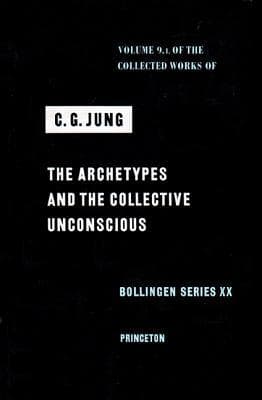
by C.G. Jung
4.3(5,051)
Ancient myths and personal dreams meet to show how universal patterns of the human mind shape our individual lives and shared future.

by Norman Maclean
4.1(5,027)
Haunted for forty years, a master storyteller reconstructs the horrific 1949 Mann Gulch fire, where a 'blowup' firestorm killed thirteen elite smokejumpers, unraveling a tragedy of nature's violence, human error, and the quest for truth.
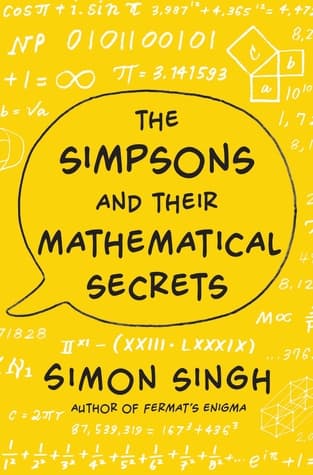
by Simon Singh
3.9(4,948)
Explore the hidden mathematical brilliance in The Simpsons and Futurama, from pi to P vs. NP, revealing the clever minds behind Springfield's enduring humor.
by George Lakoff
4.1(4,858)
This book shows how hidden metaphors in everyday language shape our thoughts and actions, often without us knowing it.
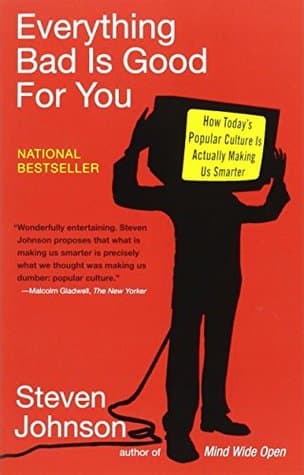
by Steven Johnson
3.5(4,671)
Steven Johnson argues that video games and modern television, far from harming our minds, actually improve our thinking skills.
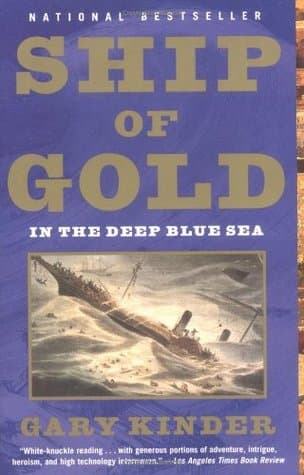
by Gary Kinder
4.3(4,539)
This book tells the true story of the high-stakes effort to recover the S.S. Central America, a legendary sidewheel steamer full of gold that sank in the Atlantic.
by Sigmund Freud
3.9(4,450)
Freud, using personal and humorous stories, explains that our 'accidental' slips of tongue, memory lapses, and daily errors are actually deliberate actions from our unconscious mind.
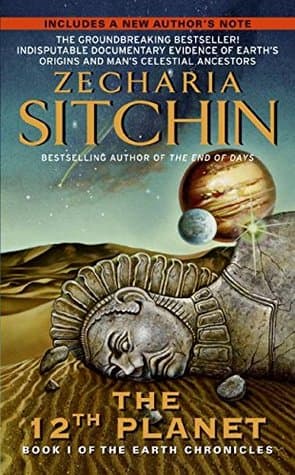
by Zecharia Sitchin
4.0(4,357)
Sitchin reinterprets ancient myths and biblical stories as historical accounts. He says humanity was made by advanced extraterrestrials from the planet Nibiru, who visited Earth long ago.
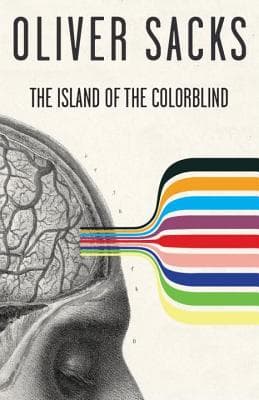
by Oliver Sacks
3.9(4,247)
Neurologist Oliver Sacks travels to a remote Pacific atoll where a community without color perception offers insights into how the human brain adapts and how culture and thought connect.

by Kip S. Thorne
4.2(4,241)
Kip Thorne, the physicist behind Christopher Nolan's 'Interstellar,' reveals the real science of wormholes, black holes, and interstellar travel, showing how the film's most amazing visuals are based on the universe's physical laws.