
Explore our collection of science books. Discover key insights and summaries from the best titles in this genre.
Showing 24 of 199 books
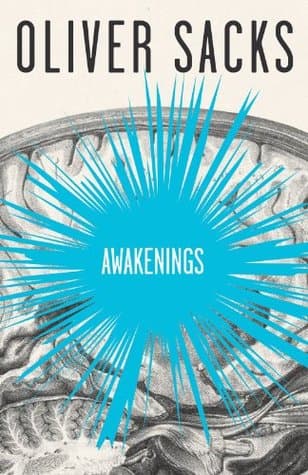
by Oliver Sacks
4.1(10,616)
In a Bronx hospital, Dr. Sacks uses a new drug to wake catatonic patients from decades of sleep, showing the sad, brief beauty of their reanimated lives.
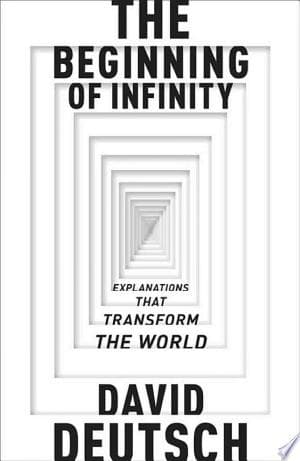
by David Deutsch
4.2(9,926)
David Deutsch explains how humanity's drive for better explanations, rather than an end to knowledge, points to endless progress in science, technology, and morality.
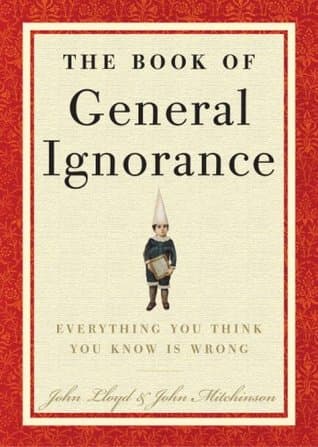
by John Lloyd
3.8(9,611)
This witty book humorously corrects common wrong ideas in history, science, and nature, showing how much we collectively don't know.
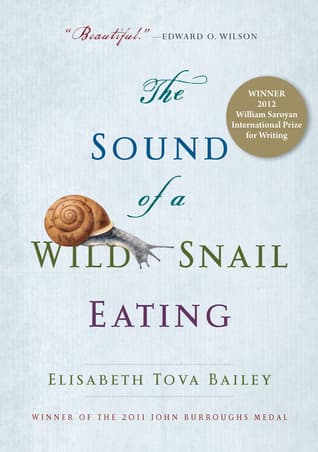
by Elisabeth Tova Bailey
4.1(9,512)
Confined to her bed by illness, a woman finds wonder, comfort, and a new understanding of her existence by observing a wild snail on her nightstand.
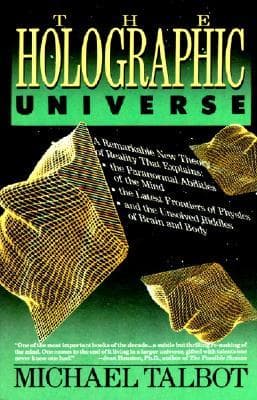
by Michael Talbot
4.1(8,528)
Explore a universe where reality is a grand hologram, created by consciousness, explaining quantum physics, telepathy, and mystical experiences.
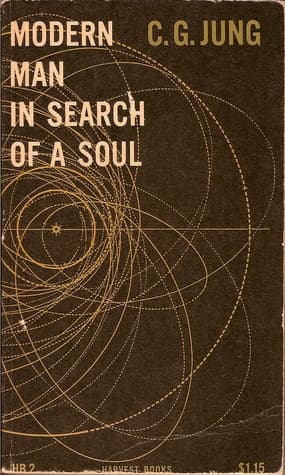
by C.G. Jung
4.2(8,451)
Carl Jung explores the modern spiritual void, the unconscious, dreams, and the link between psychology and religion.
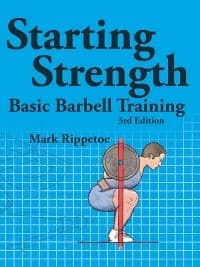
by Mark Rippetoe
4.4(8,441)
Build fundamental strength with science-backed barbell training.
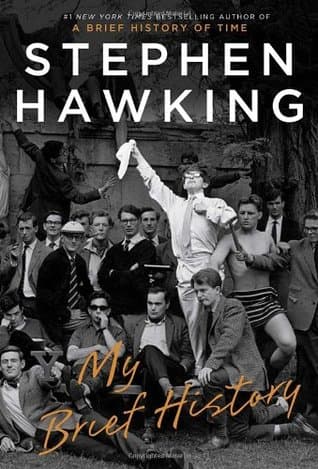
by Stephen Hawking
3.6(8,273)
Stephen Hawking's memoir, 'My Brief History,' recounts his journey from a curious London schoolboy to a groundbreaking cosmologist, detailing his improbable life of intellectual triumph and the relentless pursuit of cosmic understanding, even as ALS progressively confined his body.
by Sigmund Freud
3.9(8,232)
Freud's book explores how society, religion, and morality began, connecting the incest taboo and Oedipal complex to human civilization.
by Ernest Becker
4.2(8,230)
Ernest Becker's Pulitzer-winning work argues that humanity's deepest motivations, from heroism to madness, are defenses against the terrifying, unacknowledged truth of our own inevitable death.
by Karen Armstrong
3.8(8,195)
Karen Armstrong explores humanity's ancient search for the sacred, showing how modern rationalism has clouded our understanding of God and arguing for a return to religion as a compassionate, experiential practice vital for our divided world.
by Sigmund Freud
3.8(8,084)
Sigmund Freud's groundbreaking lectures reveal the hidden depths of the human mind, changing our understanding of consciousness, dreams, and sexuality.
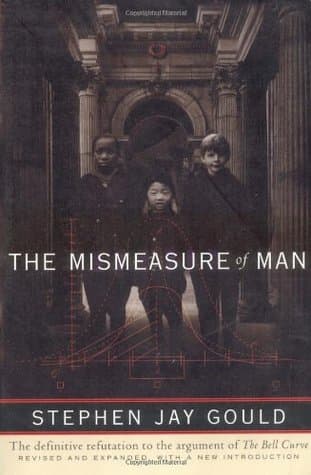
by Stephen Jay Gould
4.0(7,985)
Stephen Jay Gould examines centuries of biased scientific attempts to measure human intelligence, showing how measurement has been twisted to perpetuate social hierarchies and justify prejudice.
by Nigel Warburton
4.1(7,928)
Explore Western thought from Socrates' pursuit of truth to Peter Singer's modern ethics, as Nigel Warburton illuminates philosophy's most influential minds.
by Jean-Paul Sartre
4.1(7,859)
In the shadow of impending war, a French philosophy professor grapples with the suffocating weight of his own freedom, desperately seeking a definitive act to define his existence amidst the moral ambiguities of 1938 Paris.
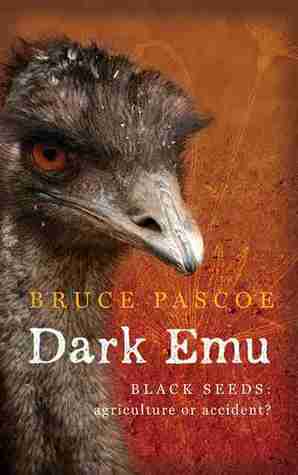
by Bruce Pascoe
4.4(7,678)
Bruce Pascoe's "Dark Emu" uses historical records to challenge the idea that pre-colonial Aboriginal Australians were only hunter-gatherers, showing they were skilled farmers, irrigators, and land managers whose practices colonizers ignored.
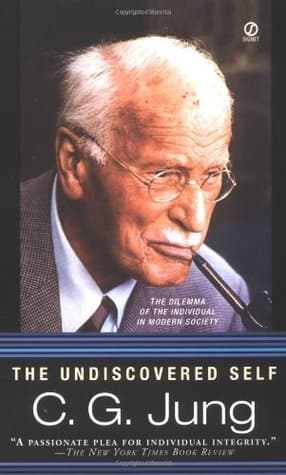
by C.G. Jung
4.1(7,625)
Jung asks individuals to resist mass movements and societal conformity by seeking their unique self, or risk becoming an unthinking part of a totalitarian system.

by Aaron Copland
3.9(7,574)
Copland's guide helps listeners understand musical structure and emotion, turning passive listening into an active experience.
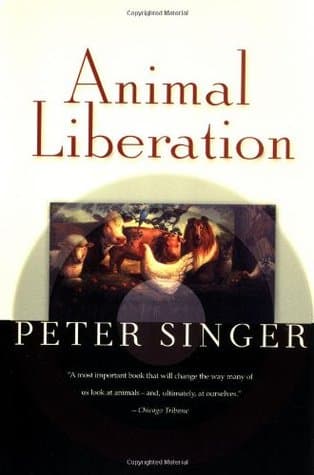
by Peter Singer
4.3(7,440)
Peter Singer's "Animal Liberation" sparked a global movement by showing the abuse of animals in labs and factory farms, urging readers to extend justice beyond humans.
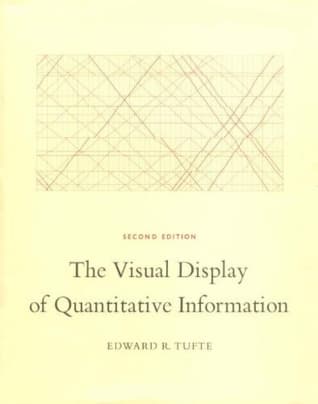
by Edward R. Tufte
4.4(7,357)
Tufte's book explains how to make statistical graphics clear, honest, and insightful.
by Al Gore
3.8(7,124)
Al Gore explores how the decline of rational discussion in American public life harms democracy.
by Jeff Hawkins
4.0(6,987)
Jeff Hawkins presents a theory that the brain models the world using hundreds of thousands of individual, map-like structures, changing our understanding of intelligence and AI.
by Jennifer Ackerman
4.0(6,932)
Jennifer Ackerman explores new research to show how bird intelligence, from tool-making to communication, is changing how we define genius.
by Diane Ackerman
4.2(6,817)
Diane Ackerman blends science and poetry to explore our senses, from an Antarctic iceberg's breath to a perfumer's artistry, revealing how we perceive the world.