
Explore our collection of science books. Discover key insights and summaries from the best titles in this genre.
Showing 24 of 199 books
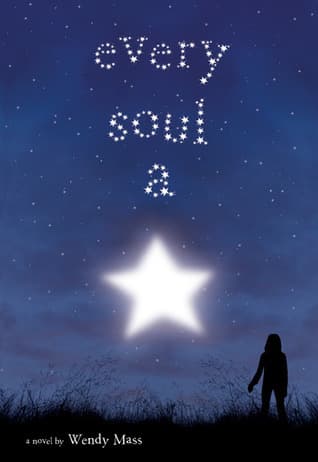
by Wendy Mass
4.1(21,912)
During a rare total solar eclipse, three different teenagers meet at a remote campground, where they discover themselves and form unexpected friendships.
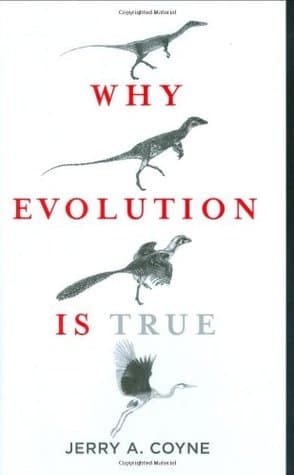
by Jerry A. Coyne
4.2(20,691)
Jerry A. Coyne uses evidence from genetics, fossils, and anatomy to prove evolution is a scientific fact, clarifying common misunderstandings.
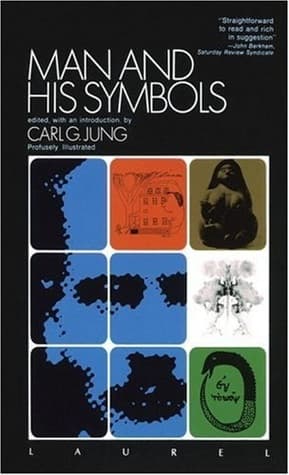
by C.G. Jung
4.2(20,606)
Explore the universal language of dreams and symbols, guided by Jung, to understand yourself and live a complete, productive life.
by Martin Heidegger
4.0(20,123)
Heidegger's major work redefines existence, showing that being human means facing our mortality, thrown into a world of care, anxiety, and the constant need to live authentically.
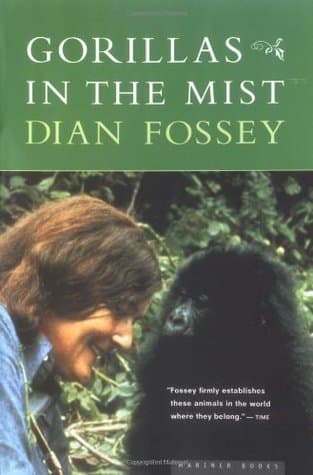
by Dian Fossey
4.2(18,511)
In the heart of an African rainforest, Dian Fossey dedicates thirteen years to unraveling the complex lives of mountain gorillas, transforming scientific understanding and sacrificing everything in her fight for their survival.
by Steven Pinker
4.0(18,341)
Steven Pinker examines the human mind, explaining its evolutionary roots as a computational organ and challenging common beliefs about emotion, parenting, and human nature with clear thinking and scientific evidence.
by David Byrne
4.0(17,943)
David Byrne explores how context, technology, and culture have shaped music, revealing the surprising structure beneath every note and beat.
by David Hume
3.9(17,099)
Hume systematically breaks down human knowledge, showing how our understanding comes from sensory experiences and observations, not from reason or divine insight.
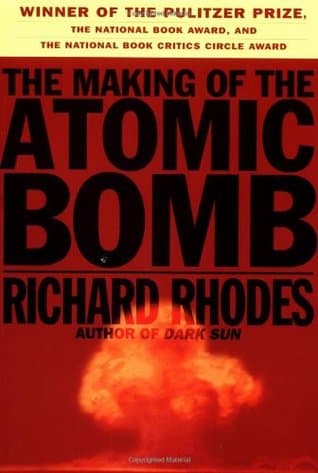
by Richard Rhodes
4.4(16,926)
This book traces the twenty-five year journey from abstract atomic theory to the reality of the Manhattan Project and the atomic bomb, which changed human history.
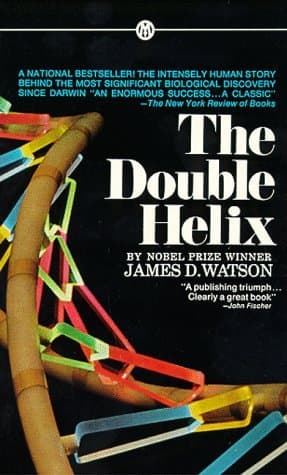
by James D. Watson
3.9(15,916)
James Watson's personal account describes the intense race to discover the double helix, revealing the ambition, intellect, and rivalries behind one of the 20th century's greatest scientific finds.
by Oliver Sacks
4.2(15,734)
In his final writings, neurologist Oliver Sacks confronts his own death, turning his end into a reflection on the gift of life and each person's unique journey.

by Jonathan Harr
4.0(14,506)
A lawyer risks everything to fight corporate polluters in a true story about environmental injustice, a poisoned water supply, and childhood leukemia.
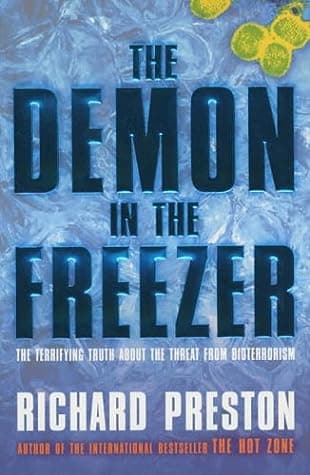
by Richard Preston
4.1(13,594)
After 9/11, a US virologist races to stop weaponized smallpox, brought back from storage and possibly made into a super-virus.
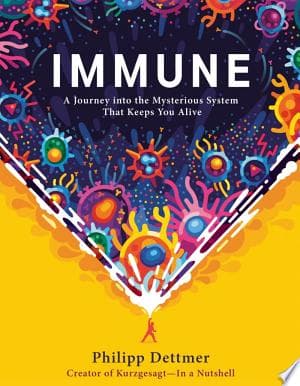
by Philipp Dettmer
4.6(13,428)
Explore the unseen war within your body, where your immune system constantly battles invaders to protect you, changing how you think about every sniffle and scratch.
by Friedrich Nietzsche
4.3(13,403)
Nietzsche's 'The Gay Science' explores his personal thoughts, introducing the death of God and eternal recurrence, while examining art, morality, and truth through aphorisms and poetry.
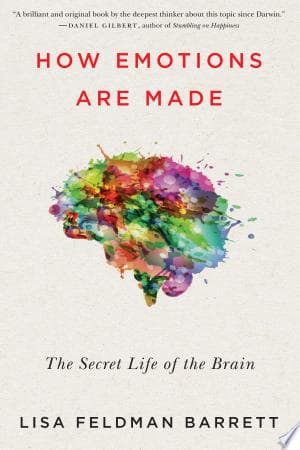
by Lisa Feldman Barrett
4.1(13,334)
Neuroscientist Lisa Feldman Barrett reveals a new truth about feelings: your brain doesn't just react to emotions, it actively builds them, changing your reality.
by Bertrand Russell
3.9(13,089)
Bertrand Russell guides readers through fundamental philosophical questions, from the nature of knowledge to the ethics of war, in a clear and accessible way.
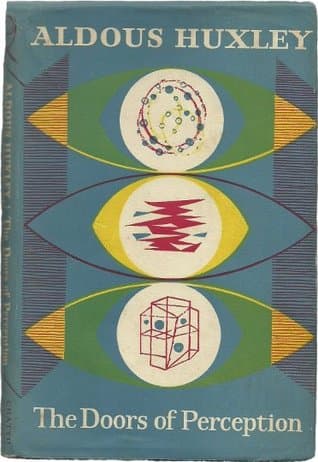
by Aldous Huxley
3.9(12,236)
Aldous Huxley writes about his mescaline experience, where ordinary things gained divine meaning and his sense of self disappeared.
by Richard Dawkins
4.0(11,518)
Richard Dawkins argues that scientific understanding enhances, rather than diminishes, the beauty and wonder of the universe, transforming Keats's 'unweaving the rainbow' into a celebration of discovery.
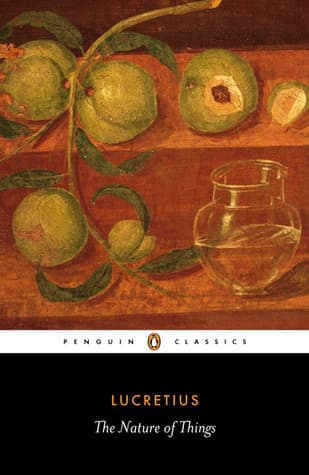
by Lucretius
4.0(11,307)
Lucretius, through his powerful verse, explains the atomic dance of the cosmos, urging people to let go of divine fear and find peace in the physical workings of existence.
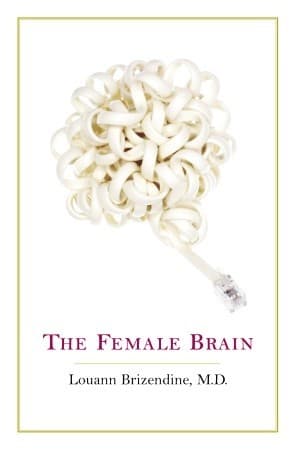
by Louann Brizendine
3.8(11,298)
This book explores how hormones and neurology shape the female brain, tracing its development from infancy through old age and revealing how biology affects a woman's experiences and perceptions.
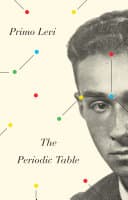
by Primo Levi
4.2(11,085)
Primo Levi uses chemistry to explore pre-Holocaust life, the realities of war, and the human spirit, turning personal memory into a stand against tyranny.
by David Hume
3.9(11,069)
Hume's 'Treatise' examines human understanding, showing how our minds create reality, from the idea of cause and effect to the nature of morality, all through observation.
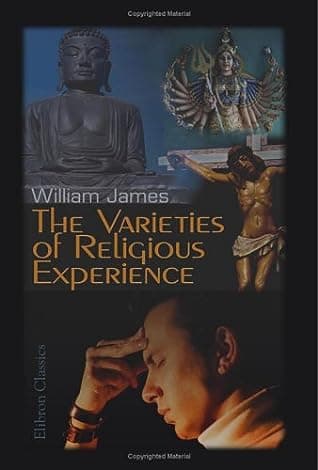
by William James
4.0(10,617)
William James, a psychologist, examines individual experiences of faith, showing a range of human spirituality that needs tolerance and respect.