The Power of Direct Observation
Darwin's journey was a masterclass in empirical data collection over theoretical speculation.
Quote
I had during the voyage been deeply impressed with the truth of the long-acknowledged axiom, that 'the greater our knowledge of the laws of nature, the more our ideas are elevated.'
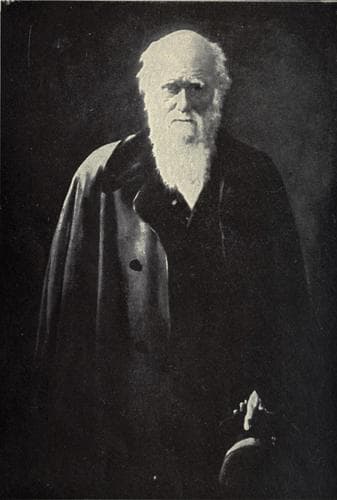
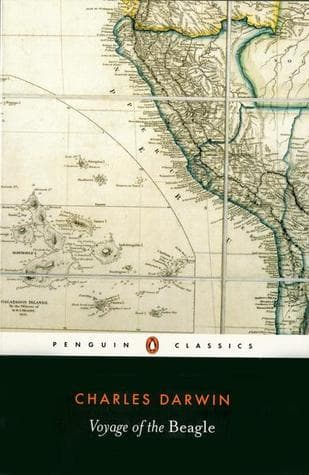
Darwin's 'Voyage of the Beagle' shows the essential role of direct, careful observation in scientific discovery. Before Darwin, much of biology and geology relied on accepted beliefs or theoretical ideas. Darwin, however, spent five years deeply involved in different ecosystems, carefully recording plants, animals, and geological formations. This hands-on approach, often in difficult conditions, allowed him to see patterns, unusual features, and relationships that purely theoretical study would never reveal. This constant interaction ...
Supporting evidence
Darwin’s detailed descriptions of the geological strata in Patagonia, the varying beaks of finches on different Galápagos Islands, or the fossil discoveries in South America, all of which he meticulously recorded and later used to formulate his theories.
Apply this
Cultivate a habit of direct observation in your field. Rather than relying solely on secondary sources or existing theories, actively engage with the subject matter. For instance, if you're a writer, observe human interactions in public; if a designer, study how people interact with spaces or objects in real-time.