
Explore our collection of science books. Discover key insights and summaries from the best titles in this genre.
Showing 24 of 199 books
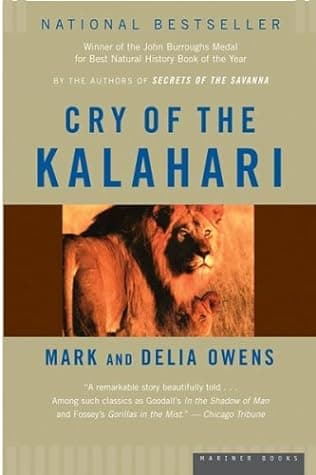
by Mark Owens
4.3(4,036)
Abandoning civilization, two young scientists brave the unforgiving beauty and brutal realities of the Kalahari, forging an intimate, dangerous bond with its iconic wildlife amidst a landscape sculpted by drought, fire, and storm.
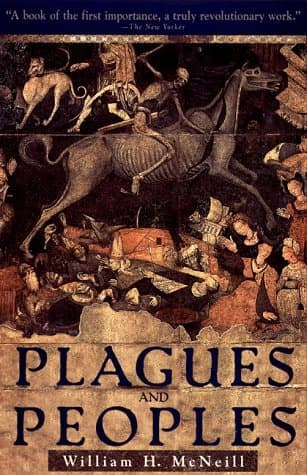
by William H. McNeill
3.9(4,030)
McNeill shows how disease, from smallpox to plague, has shaped human civilization and history.
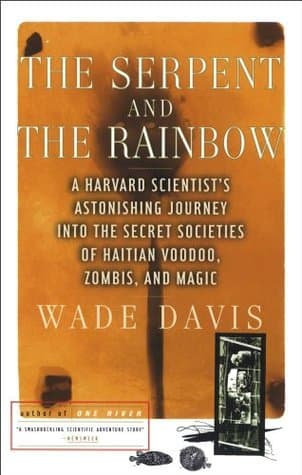
by Wade Davis
3.9(3,942)
A Harvard ethnobotanist explores Haitian Vodoun, uncovering the scientific and cultural facts behind zombification and revealing the spiritual foundation of a nation built on rebellion.
by Francis Bacon
3.8(3,811)
Francis Bacon's 'Essays' distills the cunning pragmatism of a Renaissance statesman into a glittering mosaic of human nature, from the architecture of gardens to the treachery of ambition.
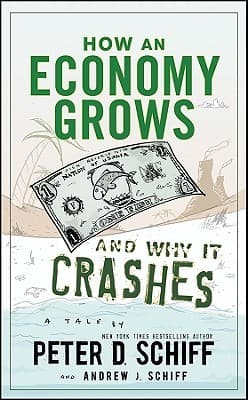
by Peter D. Schiff
4.2(3,711)
This book uses illustrations and parables to explain how consumer credit and inflation create economic problems, showing that real prosperity comes from saving, producing, and investing, not from government actions.
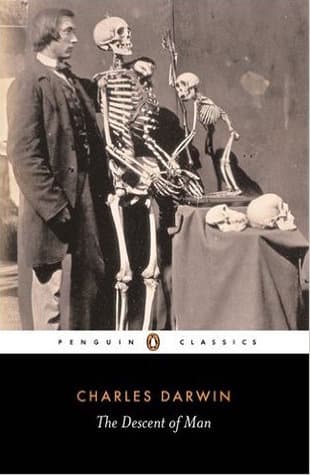
by Charles Darwin
4.1(3,707)
Darwin places humanity, with all its racial diversity and controversial origins, firmly within the animal kingdom, changing our understanding of what it means to be human.
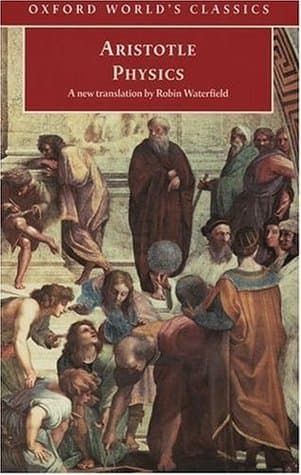
by Aristotle
4.0(3,665)
Aristotle's basic exploration of nature, motion, and cause, a work that shaped scientific thinking for millennia and still clarifies the origins of Western thought.
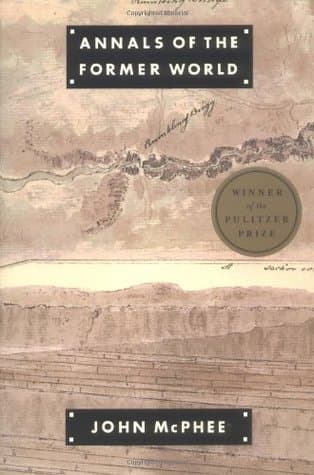
by John McPhee
4.3(3,572)
Follow idiosyncratic geologists across the fortieth parallel, exploring North America's 4.6-billion-year crustal history.
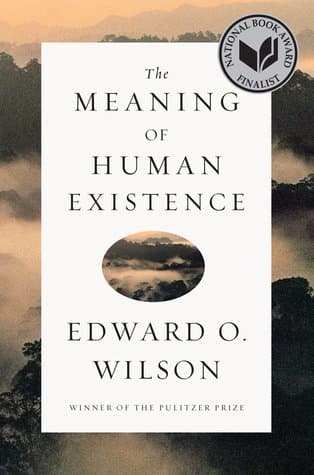
by Edward O. Wilson
3.8(3,572)
Pulitzer Prize-winning biologist Edward O. Wilson explores humanity's origins, its place in the cosmos, and the challenges we face as we increasingly shape our own evolution.
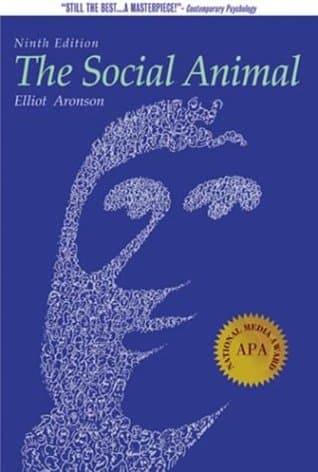
by Elliot Aronson
4.3(3,182)
Aronson explores the social forces—from conformity to cults—that shape our choices and destiny.
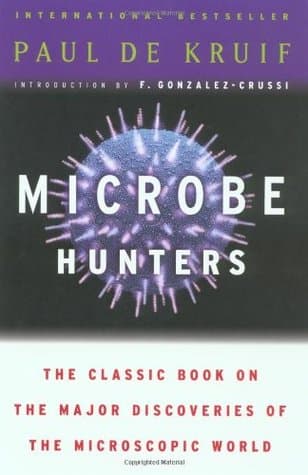
by Paul de Kruif
4.1(2,932)
Follow the scientists who, with early microscopes and strong curiosity, explored the unseen world of microbes, fighting disease and uncovering life's smallest secrets.
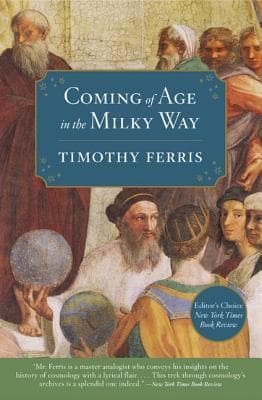
by Timothy Ferris
4.2(2,836)
Explore millennia of cosmic discovery, as brilliant and often rebellious astronomers challenged old ideas and revealed the universe's design, from Ptolemy's spheres to quantum space.
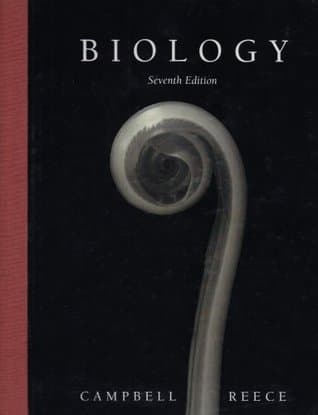
by Neil A. Campbell
4.1(2,831)
Explore the world of life through the basic ideas and experiments that have taught millions of students about biology.
by Ferdinand de Saussure
4.0(2,829)
Saussure's posthumous work revealed language's hidden structure, breaking from historical linguistics and starting structuralism, which changed how we understand signs, systems, and meaning.
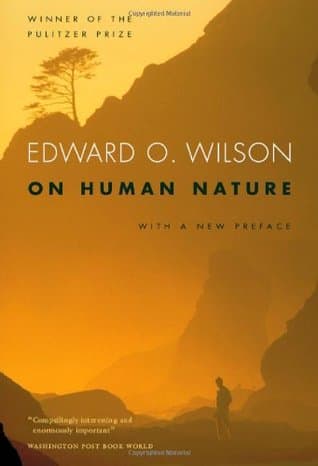
by Edward O. Wilson
4.1(2,782)
E.O. Wilson explores the nature vs. nurture debate, arguing that our biological heritage shapes human behavior and destiny.
by Bertrand Russell
4.0(2,719)
Bertrand Russell traces the historical conflict between scientific discovery and religious dogma, showing how rigid faith often gave way to reason's pursuit of truth.
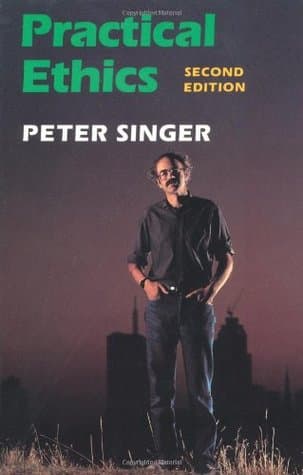
by Peter Singer
4.1(2,670)
Peter Singer's "Practical Ethics" applies utilitarian principles to controversial real-world dilemmas, from animal rights to euthanasia, making readers confront the logical (and often uncomfortable) conclusions of their moral beliefs.
by Erich Fromm
4.2(2,663)
Erich Fromm explores the origins of human violence, arguing against both instinctual and behavioral explanations, to show how society and psychology can turn our potential for good into destructive acts.
by C.G. Jung
4.1(2,423)
Jung explores the symbolic language of dreams, connecting them to alchemy and personal change.
by Terence McKenna
4.2(2,333)
Terence McKenna recounts his Amazonian journey with psychoactive plants, exploring the line between madness and enlightenment and questioning our ideas about time and consciousness.
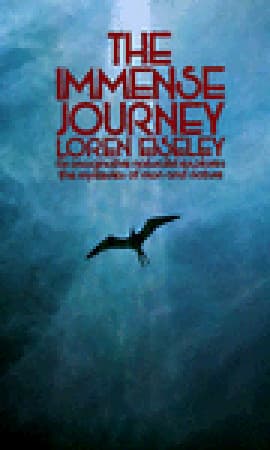
by Loren Eiseley
4.3(2,155)
Loren Eiseley, a writer with a scientist's mind and a poet's heart, turns his encounters with nature into deep thoughts about humanity's ancient past and uncertain present.
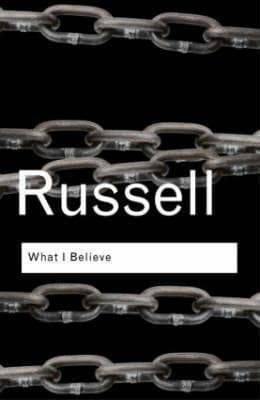
by Bertrand Russell
4.1(2,146)
Bertrand Russell's essay presents his atheistic worldview, a stance so controversial it cost him a teaching position, yet it remains a clear look into his thought.
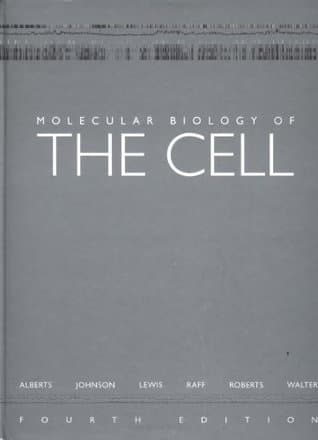
by Bruce Alberts
4.3(2,113)
Explore the microscopic world with 'Molecular Biology of the Cell,' an updated guide that explains cellular life for new and experienced readers.
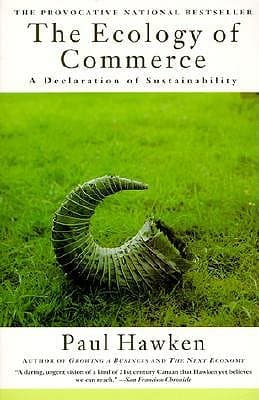
by Paul Hawken
4.1(2,091)
Paul Hawken's "The Ecology of Commerce" presents a new way for businesses to move from harmful practices to ones that restore the planet, showing that economic health and ecological well-being depend on each other.