BookBrief
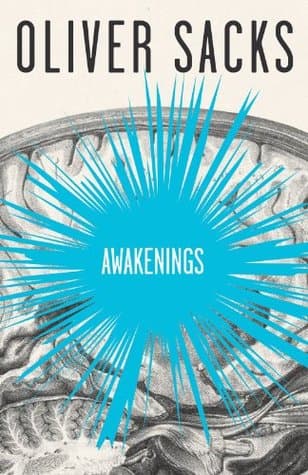
Awakenings cover
Archivist's Choice

Awakenings

Oliver Sacks (1973)

Genre

Biography / Memoir / History / Health / Science

Reading Time

10-12 hours

Key Themes

See below

Track Your Reading

Sign in to track this book

In a Bronx hospital, Dr. Sacks uses a new drug to wake catatonic patients from decades of sleep, showing the sad, brief beauty of their reanimated lives.

Core Idea

Oliver Sacks' "Awakenings" tells the stories of patients, many in institutions for decades, who had Encephalitis Lethargica, a sleeping sickness from the early 20th century. Sacks uses detailed case studies to show the dramatic, often surprising, but difficult and sometimes sad 'awakenings' these patients had when given the drug L-DOPA in the late 1960s. The book explains that L-DOPA could bring back movement and awareness, but it also showed how each patient's brain had adapted to the disease. This often led to new, equally hard neurological and psychological problems. Sacks shows the humanity of these patients, describing their struggles, clear moments, and how their long-dormant conditions affected who they were and how they saw a changed world. Sacks says that illness, especially neurological illness, is a reordering of the self, not just a problem. He also says that medical help, while strong, cannot fully bring back a lost past or remove the deep adaptations made over decades of disease. He discusses the ethical difficulties of treatment, what we do not know about the brain, and how human connection, music, and movement help maintain a sense of self during major neurological problems. The book is a reflection on how strong people can be and on consciousness, identity, and time.
Reading time
10-12 hours
Difficulty
Medium
✓ Read this if...
You are fascinated by the human brain, neurological disorders, the history of medicine, or deeply empathetic human stories of suffering and resilience. This book offers profound insights into consciousness, identity, and the ethical dimensions of medical intervention.
✗ Skip this if...
You prefer fast-paced narratives or find detailed medical case studies overwhelming. The book is rich in clinical observation and philosophical reflection, which might not appeal to readers looking for a light or purely plot-driven read.

Core idea

The central argument and framework that powers the entire book.

Oliver Sacks' "Awakenings" tells the stories of patients, many in institutions for decades, who had Encephalitis Lethargica, a sleeping sickness from the early 20th century. Sacks uses detailed case studies to show the dramatic, often surprising, but difficult and sometimes sad 'awakenings' these patients had when given the drug L-DOPA in the late 1960s. The book explains that L-DOPA could bring back movement and awareness, but it also showed how each patient's brain had adapted to the disease. This often led to new, equally hard neurological and psychological problems. Sacks shows the humanity of these patients, describing their struggles, clear moments, and how their long-dormant conditions affected who they were and how they saw a changed world.

Sacks says that illness, especially neurological illness, is a reordering of the self, not just a problem. He also says that medical help, while strong, cannot fully bring back a lost past or remove the deep adaptations made over decades of disease. He discusses the ethical difficulties of treatment, what we do not know about the brain, and how human connection, music, and movement help maintain a sense of self during major neurological problems. The book is a reflection on how strong people can be and on consciousness, identity, and time.

At a glance

Reading time

10-12 hours

Difficulty

Medium

Read this if...

You are fascinated by the human brain, neurological disorders, the history of medicine, or deeply empathetic human stories of suffering and resilience. This book offers profound insights into consciousness, identity, and the ethical dimensions of medical intervention.

Skip this if...

You prefer fast-paced narratives or find detailed medical case studies overwhelming. The book is rich in clinical observation and philosophical reflection, which might not appeal to readers looking for a light or purely plot-driven read.

Key Takeaways

1

The Enigma of Encephalitis Lethargica

A 'sleeping sickness' that left patients frozen in time, only to briefly reawaken decades later.

Quote

They were alive, but utterly isolated, islands of consciousness in a sea of immobility, preserved like flies in amber.

Oliver Sacks introduces us to the reality of encephalitis lethargica, a syndrome that affected people worldwide in the 1920s. This illness left many in a catatonic state, where their minds were awake but their bodies were paralyzed or had severe movement problems. Patients became still, unable to move, speak, or interact, often for decades. Sacks's work in the late 1960s at Beth Abraham Hospital involved a group of these long-term survivors, who had been in the hospital for almost 40 years. Their condition presented a neurological puz...

Supporting evidence

Sacks's detailed patient histories, such as those of Rose R., who was 'frozen' in a perpetually astonished expression, or Leonard L., whose profound immobility was punctuated by sudden, uncontrollable movements.

Apply this

This takeaway emphasizes the importance of recognizing the humanity and consciousness in seemingly unresponsive individuals, urging a deeper look beyond surface-level symptoms in patient care.

encephalitis-lethargicacatatonianeurology
2

L-DOPA: The Double-Edged Sword

A miraculous drug offered fleeting freedom, revealing both its power and its profound limitations.

Quote

L-DOPA provided not a cure, but a chemical key, unlocking a prison only to reveal another.

The new drug L-DOPA, a precursor to dopamine, offered hope for these patients. Sacks describes the initial, almost surprising 'awakenings'—patients who had not moved for decades suddenly could move, speak, and interact. The joy and wonder were clear, showing the drug's neurological effect. However, this miracle was short-lived and had problems. The 'awakenings' were often partial, temporary, and came with many new, sometimes more upsetting, symptoms. Patients developed severe uncontrollable movements, tics, manias, and psychoses. It w...

Supporting evidence

The initial 'awakening' of Leonard L., who, after decades of immobility, suddenly walked and spoke, followed by the subsequent development of severe tics, compulsions, and periods of manic agitation.

Apply this

Clinicians must approach powerful interventions with caution and humility, understanding that 'cures' can have unforeseen side effects and that restoring one function might disrupt others. Patient-centered care must prioritize quality of life over mere symptom suppression.

l-dopadopamineparkinsonismiatrogenic
3

The Individual in the Illness

Beyond the diagnosis, each patient carried a unique history, personality, and inner world.

Quote

For each of my patients, there was a unique inner world, a personal history, a self that persisted despite the ravages of their illness.

Sacks's strength is his deep human approach. He does not just present case studies; he tells individual stories. He explores the patients' personalities, interests, and memories from before their illness, showing how these parts of them remained, even if changed or hidden, after decades of illness. He shows that the patients were not just 'encephalitics' but unique people whose identities were deeply affected but not completely erased by their condition. Their reactions to L-DOPA, their specific symptoms, and their periods of 'awakeni...

Supporting evidence

The contrasting reactions to L-DOPA and subsequent experiences of patients like Hester Y. (a former dancer whose movements became fluid again, but exaggerated) versus Miriam H. (a woman whose reawakened intellect struggled with the lost years).

Apply this

Healthcare providers should always seek to understand the patient as a whole person, beyond their diagnosis. Taking detailed personal histories and acknowledging individual experiences can profoundly impact treatment strategies and foster empathy.

humanismbiographyidentitypatient-centered-care
4

The Power of Music and Movement

Rhythm and melody could bypass neurological blocks, offering moments of profound freedom.

Quote

Music, above all, could break through the neurological barriers, allowing a frozen patient to move, to dance, to live, if only for a few precious minutes.

One of Sacks's most moving observations is how much music, rhythm, and spontaneous movement affected his patients. Many who could not move otherwise could suddenly move gracefully when listening to music, dancing, or even just catching a ball. This suggested that some neurological pathways, especially those for automatic or emotional movements, stayed intact even when voluntary motor control was lost. It showed the brain's ability to change and its capacity to respond to outside stimuli in unexpected ways. Music, in particular, seemed...

Supporting evidence

The case of Rose R., who, despite being severely akinetic, could effortlessly catch a ball thrown to her, or Lucy K., who could dance beautifully to a waltz, but not walk across a room voluntarily.

Apply this

Integrate non-pharmacological therapies like music therapy, dance therapy, and rhythmic exercises into rehabilitation for neurological conditions. Recognize the therapeutic potential of art and movement to unlock dormant abilities and improve quality of life.

music-therapyneurological-plasticitymotor-controlrhythm
5

The Paradox of 'Awakening'

Restored movement did not always equate to restored happiness or a return to a meaningful life.

Quote

To awaken after decades was not necessarily to be reborn into joy, but often into a world that had moved on, leaving them behind.

The 'awakenings' from L-DOPA were not entirely good. For many patients, coming out of their decades-long stupor meant facing a world that had changed completely. They were old, their families were gone or distant, and society had moved on beyond what they understood. This caused great psychological distress, a feeling of deep loss and being out of place. The drug often brought back movement but not the context or meaning of life. Some patients struggled with the idea of time itself, having 'skipped' decades. Sacks sensitively shows th...

Supporting evidence

Patients like Leonard L., whose initial euphoria was followed by intense distress and confusion about his age and the passage of time, struggling to reconcile his inner self with his aged body and a changed world.

Apply this

When treating chronic conditions, consider the psychosocial and existential impacts of 'recovery' or significant change. Provide psychological support, social integration programs, and family counseling to help patients adapt to new realities.

existential-crisispsychological-impactsocial-integrationtime-perception
6

The Brain's Endless Adaptations and Maladaptations

The long-term effects of the illness and the drug revealed the brain's complex compensatory mechanisms.

Quote

The brain, in its endless ingenuity, had forged new ways of being, new patterns of disease, in response to the original insult and the subsequent intervention.

Sacks's observations show the brain's ability to adapt, even if those adaptations appear as illness. The decades of not moving and then getting L-DOPA made the patients' brains reorganize. The severe uncontrollable movements, tics, and psychoses that came with L-DOPA were not just side effects; they were the brain's frantic and often unhelpful attempts to deal with too much dopamine stimulation after years of not having enough. This shows the delicate balance of brain chemical systems and the complex, often unpredictable, ways the bra...

Supporting evidence

The development of 'paradoxical kinesia' where patients could only move voluntarily under specific, often bizarre, circumstances, or the escalating severity of tics and compulsions in response to increased L-DOPA dosages.

Apply this

Neurology and pharmacology must embrace a systems-thinking approach, recognizing that interventions can trigger complex, cascading effects in a dynamic biological system. Long-term monitoring and individualized adjustments are crucial for chronic neurological conditions.

neuroplasticitydyskinesianeurotransmittersbrain-adaptation
7

The Ethic of Care and Observation

Sacks champions meticulous observation and deep empathy as foundational to medical practice.

Quote

To truly see the patient, one must observe not just the symptoms, but the whole person, their history, their reactions, their very being.

Beyond the scientific discoveries, 'Awakenings' is a strong example of Sacks's ethical approach to medicine. He did not just give drugs; he lived among his patients, watching them with great care, documenting every tremor, every moment of awareness, every individual story. This deep, kind involvement helped him understand their suffering and their humanity in a way that purely clinical assessments could not. His work shows the importance of 'clinical phenomenology'—the careful study of subjective experience in illness. Sacks argues th...

Supporting evidence

Sacks's extensive personal notes, detailed journal entries about each patient's daily life, and his willingness to spend countless hours simply observing and interacting with them, often beyond the typical medical schedule.

Apply this

Medical education and practice should re-emphasize the art of observation, empathy, and detailed patient histories. Cultivate a curiosity about the patient's inner world, not just their physical symptoms, to foster more holistic and humane care.

medical-ethicsempathyclinical-phenomenologypatient-advocacy
8

The Limits of Medical Intervention

Even miraculous drugs have inherent limits, and true healing often lies beyond pharmacology.

Quote

L-DOPA could awaken the body, but it could not restore lost time, nor mend the shattered continuity of a life.

Ultimately, 'Awakenings' is a thought on what medical science can and cannot do. While L-DOPA offered a look into what neurological recovery might be possible, it also showed what we do not know about the brain and the human condition. The drug could start movement, but it could not fully bring back the complex parts of personality, memory, and social connection that make a whole life. The patients' relapses, the appearance of new, hard-to-treat symptoms, and the deep suffering they went through showed that 'cure' is a complex idea, g...

Supporting evidence

The eventual decline of many patients, even with continued L-DOPA treatment, as their systems became 'habituated' or developed increasingly severe and untreatable side effects, leading to a return to their catatonic states or a new form of chronic suffering.

Apply this

Recognize that medical interventions, especially pharmacological ones, are rarely complete solutions. Advocate for integrated care models that include psychological, social, and spiritual support alongside medical treatment to address the full spectrum of human suffering.

pharmacology-limitsholistic-healthexistential-medicinechronic-illness
9

The Narrative of Illness and Recovery

Illness transforms, but also reveals, the core of human resilience and identity.

Quote

Illness, when understood in its full human context, is not just a biological event, but a story – a journey of transformation, loss, and sometimes, unexpected discovery.

Sacks skillfully frames his patients' experiences as human stories. Their lives, before and during their illness, and their 'awakenings' and later declines, are presented not as clinical data but as epic tales of endurance, suffering, and brief triumph. This storytelling approach shows that illness deeply shapes identity and meaning. Even in the deepest states of catatonia, the patients' inner lives, their memories, and their personalities remained. Their stories show how strong the human spirit is, even when trapped in a broken body,...

Supporting evidence

The detailed biographical sketches of each patient, such as Lucy K.'s vibrant life as a dancer before her illness, and how that past informed her response to music during her 'awakening,' or Frank G.'s poignant attempts to reconnect with his past via old photographs.

Apply this

Encourage patients to share their stories. Use narrative medicine techniques to deepen understanding and empathy in healthcare. Recognize that personal narratives are crucial for constructing meaning and fostering resilience in the face of chronic illness.

narrative-medicineresilienceidentity-formationmeaning-making
10

Consciousness Beyond Movement

The patients' 'awakenings' proved that profound consciousness can exist even in the absence of outward expression.

Quote

Their awakenings demonstrated, beyond doubt, that consciousness could persist, vibrant and intact, within bodies that seemed utterly devoid of life.

Perhaps the most important philosophical point of 'Awakenings' is that consciousness does not just depend on observable movement or communication. For decades, these patients were often seen as vegetative, their inner lives thought to be dormant or absent. However, their responses to L-DOPA, and Sacks's careful observations, showed that their minds were often fully active, full of memories, thoughts, and emotions, even when their bodies did not respond. This challenges our definition of consciousness, asking us to look beyond outward ...

Supporting evidence

The patients' ability to recount events from their 'frozen' years upon awakening, confirming their internal awareness, such as Rosalie R. who described her internal world as being 'like a dream, yet real, a world without motion but full of thought.'

Apply this

Advocate for respectful and engaged care for individuals with severe communication impairments. Develop and utilize advanced technologies and empathetic approaches to explore and validate consciousness in non-verbal patients. Challenge assumptions about the cognitive abilities of those with physical disabilities.

consciousnessvegetative-statecommunication-impairmentneurophilosophy

Critical analysis

Notable Quotes

The patients had been 'asleep' for decades, and now they were 'awake'—but to what?

Sacks reflects on the initial effects of L-DOPA on his patients with encephalitis lethargica.

We have, each of us, a life-story, an inner narrative—whose continuity, whose sense, is our lives.

Sacks discusses the importance of personal identity and narrative in human experience.

The disease had frozen them in time, but the drug unfroze them, and they were suddenly catapulted into the present.

Describing the dramatic awakening of patients after receiving L-DOPA.

In examining disease, we gain wisdom about anatomy and physiology and biology. In examining the person with disease, we gain wisdom about life.

Sacks emphasizes the humanistic approach to medicine and patient care.

The sense of the world, the sense of life, is not something given, but something to be achieved.

Reflecting on the patients' struggles to rebuild their lives after awakening.

They were like time-travelers, stranded in a world they no longer recognized.

Describing the disorientation felt by patients who awoke after decades of catatonia.

The brain is the most intricate and mysterious of all organs, and its workings are not easily understood.

Sacks comments on the complexities of neurology and brain function.

To restore the human subject at the centre—the suffering, afflicted, fighting, human subject—we must deepen a case history to a narrative or tale.

Advocating for a narrative approach in medical practice over purely clinical descriptions.

The awakening was not a simple cure; it was a mixed blessing, bringing both joy and profound challenges.

Discussing the complex outcomes of the L-DOPA treatment for patients.

Memory is not a recording but a narrative, constantly revised and edited.

Sacks explores the nature of memory and personal history.

In their stillness, they had been preserved; in their awakening, they were exposed to the ravages of time.

Reflecting on the paradox of patients being protected by their catatonia only to face aging upon awakening.

The drug gave them back their bodies, but it could not give them back their lost years.

Highlighting the limitations of medical treatment in restoring time and experience.

We are all, in a sense, patients, trying to make sense of our lives and our world.

Sacks draws a parallel between his patients' struggles and the human condition.

The story of these patients is a story of resilience, of the human spirit's capacity to endure and adapt.

Summarizing the overarching theme of the book and its subjects.

Quiz

Test Your Knowledge

Ready to see how well you understood this book? Take our interactive quiz with 10 questions.

10
Questions
~5
Minutes
?
Best Score

Key Questions (FAQ)

'Awakenings' is Oliver Sacks' 1973 non-fiction book that recounts the stories of patients who survived the 1920s encephalitis lethargica epidemic. It chronicles Sacks' work in the late 1960s at Beth Abraham Hospital in the Bronx, where he used the drug L-DOPA to help these patients temporarily emerge from decades of catatonic states.

About the author