BookBrief
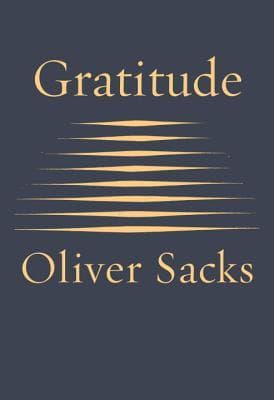
Gratitude cover
Archivist's Choice

Gratitude

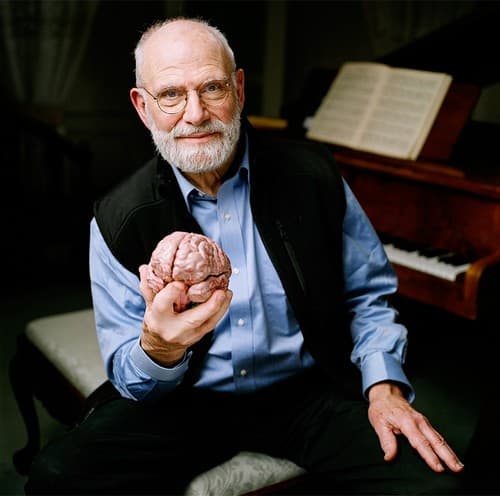
Oliver Sacks (2001)

Genre

Psychology / Biography / Memoir / Science / Philosophy

Reading Time

30 min

Key Themes

See below

Track Your Reading

Sign in to track this book

In his final writings, neurologist Oliver Sacks confronts his own death, turning his end into a reflection on the gift of life and each person's unique journey.

Core Idea

Oliver Sacks's "Gratitude" is a reflection on aging, death, and human experience, written in his final months. Across four essays, Sacks shows deep appreciation for being alive, for the beauty of the natural world, and for the back-and-forth nature of love and connection. He accepts his approaching death without despair, instead feeling grateful for a life lived with curiosity, contribution, and wonder. The book champions reflection as a way to find meaning in one's life and to acknowledge the distinct path each life takes.
Reading time
30 min
Difficulty
Easy
✓ Read this if...
You are contemplating aging, mortality, or seeking inspiration on how to live a grateful and meaningful life, especially in its later stages. You appreciate eloquent, reflective prose from a renowned neurologist and writer.
✗ Skip this if...
You are looking for a comprehensive scientific text or a light, casual read. The book deals with themes of death and dying, which might not be suitable for all readers at all times.

Core idea

The central argument and framework that powers the entire book.

Oliver Sacks's "Gratitude" is a reflection on aging, death, and human experience, written in his final months. Across four essays, Sacks shows deep appreciation for being alive, for the beauty of the natural world, and for the back-and-forth nature of love and connection. He accepts his approaching death without despair, instead feeling grateful for a life lived with curiosity, contribution, and wonder. The book champions reflection as a way to find meaning in one's life and to acknowledge the distinct path each life takes.

At a glance

Reading time

30 min

Difficulty

Easy

Read this if...

You are contemplating aging, mortality, or seeking inspiration on how to live a grateful and meaningful life, especially in its later stages. You appreciate eloquent, reflective prose from a renowned neurologist and writer.

Skip this if...

You are looking for a comprehensive scientific text or a light, casual read. The book deals with themes of death and dying, which might not be suitable for all readers at all times.

Key Takeaways

1

Embracing the Final Chapter

Accepting mortality as a natural and unique part of life's journey.

Quote

It is the fate of every human being to be a unique individual, to find his own path, to live his own life, to die his own death.

Sacks faces his approaching death with acceptance, not despair. He sees death not as an end to be feared, but as the unique final act of a life. This view encourages us to see death as a natural part of being human, a personal journey that, like life, is one-of-a-kind. His thoughts invite us to rethink how society often avoids talking about death, suggesting that open acknowledgment can lead to a richer appreciation of the time we have.

Supporting evidence

Sacks's personal reflections on his terminal illness and his resolve to live the remaining time as fully and meaningfully as possible, as documented in the essays written during his last months.

Apply this

Cultivate a 'death positive' mindset by engaging in open conversations about mortality with loved ones. Reflect on your own legacy and what it means to live a 'good death' for you. Consider writing an ethical will or a letter to future self.

mortality-acceptanceend-of-life-reflectionlegacy-building
2

The Privilege of Sentience

Recognizing the profound gift of consciousness and existence itself.

Quote

Above all, I have been a sentient being, a thinking animal, on this beautiful planet, and that in itself has been an enormous privilege and adventure.

Sacks expresses deep gratitude for simply being alive and aware. He marvels at the 'privilege and adventure' of sentience, showing the wonder of experiencing the world, thinking, feeling, and perceiving. This idea asks us to look past small worries and appreciate the basic miracle of existence. It is a call to acknowledge the profound beauty in our ability to observe, learn, and connect with the world around us, emphasizing that this fundamental capacity for experience is a gift in itself, regardless of achievements or circumstances.

Supporting evidence

His overarching sentiment of 'predominant feeling is one of gratitude' for simply 'being a sentient being' on the planet.

Apply this

Practice daily mindfulness or meditation to reconnect with the simple act of being present and aware. Take time to observe and appreciate natural phenomena, art, or music purely for the experience, without judgment or expectation. Keep a 'gratitude for existence' journal.

consciousness-appreciationexistential-gratitudemindfulness-practice
3

Love's Reciprocal Embrace

The deep satisfaction found in both giving and receiving love.

Quote

I have loved and been loved. I have been given much and I have given something in return.

Sacks highlights the two-sided nature of love – the joy from both loving others and being loved. This give-and-take is a cornerstone of a full life, suggesting that human connection, at its deepest, involves a dynamic exchange of affection and care. It is not enough to just receive; giving love, support, and contributing are equally important for feeling complete and purposeful. This view underscores the importance of fostering relationships and actively participating in our communities' emotional life.

Supporting evidence

Sacks's reflection on his personal life, stating 'I have loved and been loved,' and his sense of having 'given something in return' through his work and relationships.

Apply this

Actively nurture your relationships by expressing appreciation and affection to loved ones. Seek opportunities to contribute to your community or support causes you care about, finding joy in giving back. Practice acts of kindness, both large and small.

reciprocal-lovehuman-connectionaltruism-fulfillment
4

The Uniqueness of Each Journey

Celebrating individual paths and the singular nature of every life.

Quote

It is the fate of every human being to be a unique individual, to find his own path, to live his own life, to die his own death.

Sacks champions the idea that each person's life is a unique story, an individual journey with its own discoveries, challenges, and end. This is not just about personal choice, but about the inherent distinctiveness of every existence. It encourages us to avoid conforming or comparing ourselves to others, and instead to embrace our own particular path. Recognizing this uniqueness can build self-acceptance and a deeper respect for the diverse ways others live and experience the world, moving away from fixed ideas of what a 'good life' ...

Supporting evidence

The recurring theme throughout the essays about the deeply personal nature of his own life and death, and his broader philosophical outlook on individuality.

Apply this

Identify and celebrate your unique qualities, passions, and eccentricities. Resist societal pressures to follow conventional paths if they don't resonate with your true self. Encourage individuality and self-expression in others, fostering a culture of acceptance for diverse life choices.

individuality-celebrationself-acceptancepersonal-path
5

Gratitude as a Core Philosophy

Cultivating a fundamental state of thankfulness for life's entirety.

Quote

My predominant feeling is one of gratitude.

Sacks's main feeling, even when facing terminal illness, is deep gratitude. This is not a passing emotion, but a deeply held view towards life itself. It suggests that gratitude can be a powerful way to see one's existence, turning challenges and even death into chances for appreciation. This view encourages us to actively develop a thankful attitude, recognizing the many blessings – big and small – that make up a life, rather than focusing only on perceived flaws or misfortunes. It is a deliberate choice to find the good.

Supporting evidence

The opening statement of his final essays, explicitly declaring his 'predominant feeling is one of gratitude,' despite his advanced cancer.

Apply this

Integrate a daily gratitude practice, such as keeping a gratitude journal or verbally expressing thanks. Frame challenges as learning opportunities, fostering an appreciative mindset even in difficult times. Regularly reflect on the simple joys and privileges often taken for granted.

gratitude-practicepositive-psychologymindset-shift
6

The Adventure of Existence

Viewing life as an exciting and unpredictable journey.

Quote

…that in itself has been an enormous privilege and adventure.

Sacks describes being alive as an 'enormous privilege and adventure,' seeing existence not as a fixed state, but as an ongoing exploration. This view encourages active engagement with life, seeing each day as a chance for discovery, learning, and new experiences. It challenges the tendency to fall into routine or apathy, instead urging us to approach life with curiosity and an open mind, embracing its unpredictable turns. This adventurous spirit can reignite a sense of wonder and make even ordinary moments feel significant.

Supporting evidence

His personal journey as a neurologist and writer, marked by deep curiosity and exploration of the human mind and experience, exemplifies this adventurous spirit.

Apply this

Embrace new experiences, even small ones, like trying a new food or taking a different route to work. Cultivate curiosity by asking questions and seeking knowledge. Reframe challenges as opportunities for growth and exploration, rather than obstacles.

life-as-adventurecuriosity-drivenexperiential-living
7

Living Fully Until the End

Maximizing meaning and experience in the face of finitude.

Quote

I will live the rest of my life as I want to.

Even with a terminal diagnosis, Sacks decides to live his remaining time fully and genuinely. This is not about denial, but about a conscious choice to engage with life, pursue passions, and cherish relationships until the very end. It is a strong lesson in making the most of every moment, no matter how many are left. His approach inspires us to prioritize what truly matters, let go of superficial concerns, and find meaning and joy in the present, rather than putting off happiness for an uncertain future or giving in to despair.

Supporting evidence

Sacks continued to write, correspond, and engage with the world even as his health declined, demonstrating his commitment to living fully.

Apply this

Identify your core values and priorities, and align your daily actions with them. Don't postpone joy or meaningful experiences. Create a 'bucket list' or a list of things you want to experience or achieve in the near future, and start acting on them.

carpe-diemmeaningful-livingpresent-moment-awareness
8

The Power of Reflection

Gaining clarity and peace through introspective contemplation.

Quote

I find myself in a new relation to the world, to life itself, to my own death, to the meaning of things.

Sacks's essays show the power of reflection. Facing his death forces him into deeper thought, leading to a profound change in how he sees life, death, and meaning. This suggests that purposeful contemplation can offer valuable insights, helping us to re-evaluate our priorities, find peace with our past, and redefine our relationship with the future. It is a reminder that moments of quiet thought are not luxuries, but essential tools for personal growth and understanding.

Supporting evidence

The very act of writing these reflective essays during his final months, and the clarity of thought and emotion they convey.

Apply this

Dedicate regular time for quiet reflection, perhaps through journaling, meditation, or simply solitary walks. Ask yourself probing questions about your values, experiences, and aspirations. Seek to understand your own emotions and reactions to life's events.

introspectionself-reflectionpersonal-growth
9

Contributions as Legacy

Finding fulfillment in the impact made on others and the world.

Quote

I have been given much and I have given something in return.

Sacks finds satisfaction in having 'given something in return,' highlighting the importance of contribution as a legacy. This is not about grand gestures, but about the impact one makes through work, relationships, and intellectual contributions. It suggests that a life well-lived involves not just receiving, but also actively enriching the lives of others and the collective human experience. This realization can provide a strong sense of purpose and comfort, knowing that one's existence has had a meaningful ripple effect beyond their...

Supporting evidence

Sacks's prolific career as a neurologist and author, whose writings profoundly influenced public understanding of neurological conditions and the human mind.

Apply this

Identify ways you can contribute your unique skills and passions to your community or profession. Mentor someone, share your knowledge, or volunteer for a cause you believe in. Reflect on the positive impact you've already had and how you can continue to build upon it.

legacy-of-contributionmeaningful-impactpurpose-driven-life

Critical analysis

Notable Quotes

I am now face to face with dying, but I am not finished with living.

From 'Mercury', reflecting on his terminal diagnosis.

I feel a sudden clear sense of being in an 'autumn of life' -- but with a sense of the possibility of a winter, a death, as well.

From 'Mercury', contemplating his age and impending death.

I cannot pretend I am without fear. But my predominant feeling is one of gratitude.

From 'Mercury', expressing his feelings about his terminal illness.

I have been a sentient being, a thinking animal, on this beautiful planet, and that in itself has been an enormous privilege and adventure.

From 'Mercury', reflecting on his life's experience.

I have loved and been loved; I have been given much and I have given something in return; I have read and traveled and thought and written.

From 'Mercury', summarizing his life's accomplishments and experiences.

Above all, I have been a sentient being, a thinking animal, on this beautiful planet, and that in itself has been an enormous privilege and adventure.

From 'Mercury', a powerful summary of his perspective on life.

My own sense of the world, of the human experience, has been a deepening, not a shrinking.

From 'Mercury', describing how his illness has affected his perception.

I am grateful that I have been able to make my life and work a coherent whole.

From 'My Own Life', reflecting on the integration of his personal and professional life.

I find myself still interested in others and in the world itself, and I still feel a great desire to contribute.

From 'My Own Life', despite his illness, his curiosity and drive remain.

I have been able to see my life as from a great altitude, as a sort of landscape, and with a deepening sense of the connection of all its parts.

From 'My Own Life', gaining a broader perspective on his life as he faces its end.

There is no scientific explanation for the power of love, or for the sense of awe that we feel when we look at the stars.

From 'Sabbath', contemplating the limits of science.

I have to say I don't believe in God, but I have a profound sense of the sacred.

From 'Sabbath', discussing his personal beliefs.

I have loved and been loved, I have worked and given something to the world, and I have found great joy in the beauty of nature and art.

From 'Sabbath', a summary of what he values most in life.

I have been given a chance to live my life again, but with a different focus.

From 'My Own Life', after receiving his terminal diagnosis, he re-evaluates his priorities.

Quiz

Test Your Knowledge

Ready to see how well you understood this book? Take our interactive quiz with 10 questions.

10
Questions
~5
Minutes
?
Best Score

Key Questions (FAQ)

'Gratitude' explores Oliver Sacks's reflections on life, love, illness, and the process of coming to terms with his own mortality during the final months of his life. It is a profound meditation on the human experience and the privilege of being a sentient being.

About the author