
Explore our collection of science books. Discover key insights and summaries from the best titles in this genre.
Showing 24 of 199 books
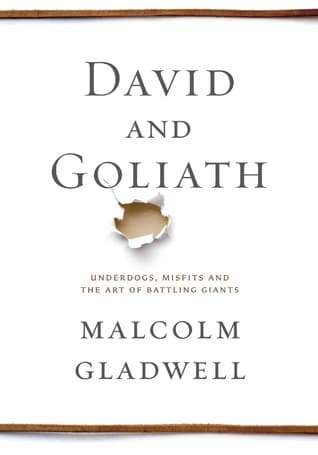
by Malcolm Gladwell
4.0(147,875)
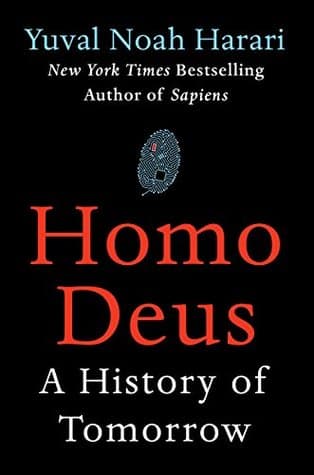
by Yuval Noah Harari
4.2(147,289)
Yuval Noah Harari charts humanity's ambitious, potentially risky journey from overcoming famine, disease, and war to upgrading ourselves into god-like beings through technology and bioengineering.
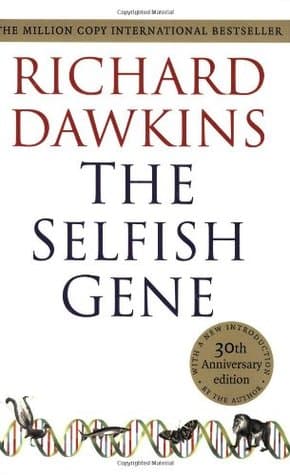
by Richard Dawkins
4.1(140,360)
Dawkins reframes evolution, saying organisms, including humans, are survival machines built by self-replicating genes and ideas striving for their own spread.
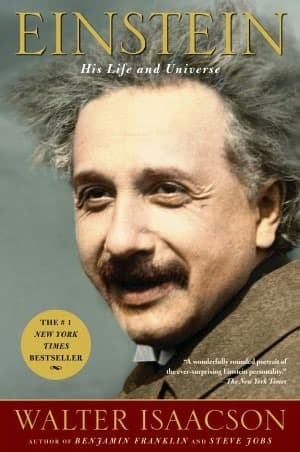
by Walter Isaacson
4.1(134,361)
Walter Isaacson's biography illuminates how Albert Einstein's rebellious spirit fueled his groundbreaking scientific discoveries and shaped his extraordinary life.
by Malcolm Gladwell
4.0(133,927)
by Atul Gawande
4.4(132,493)
A surgeon confronts medicine's greatest triumph and ultimate failure, arguing for a reimagining of care that prioritizes dignity and quality of life over the relentless, often futile, pursuit of longevity at all costs.
by Randall Munroe
4.1(127,231)
This book explores the dangerous scientific realities behind absurd 'what if' questions, explained with humor and simple illustrations.
by James Clear
4.3(125,755)
Achieve remarkable results by mastering small, incremental "atomic" habits that build powerful systems for personal change.

by Sylvia Nasar
4.1(123,175)
This is the true story of John Nash, a brilliant mathematician who descended into schizophrenia but re-emerged decades later to claim the Nobel Prize for his work in game theory.
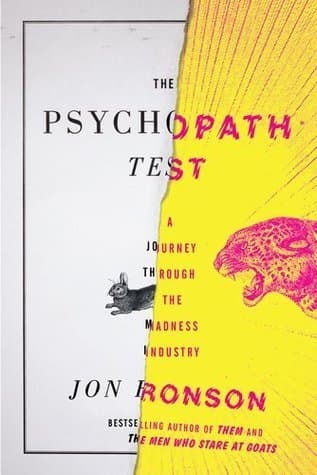
by Jon Ronson
3.9(122,876)
Jon Ronson's investigation into the diagnosis of psychopathy unexpectedly leads him to question the sanity of the very people studying madness, revealing that the lines between sane and insane are blurrier than we think.
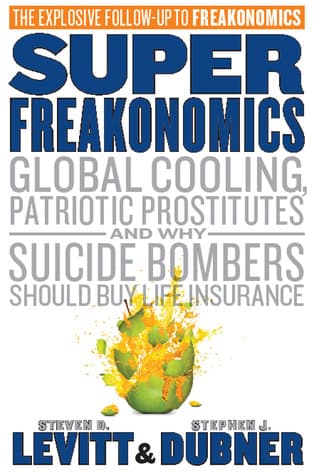
by Steven D. Levitt
4.0(121,251)
Levitt and Dubner explore the hidden incentives behind everything from prostitution and terrorism to global warming and chemotherapy, revealing the surprising logic that governs our world.
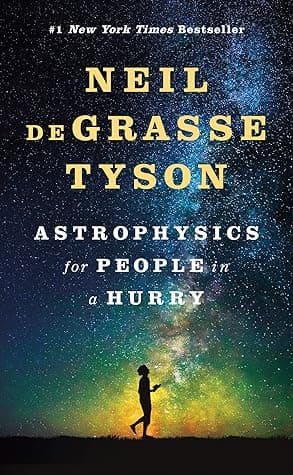
by Neil deGrasse Tyson
4.1(113,066)
Neil deGrasse Tyson explains the universe's biggest questions, from the Big Bang to dark energy, in a short and engaging cosmic tour for busy readers.
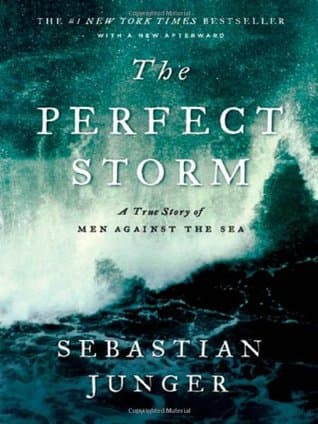
by Sebastian Junger
4.1(103,372)
A harrowing account of the 1991 "perfect storm" that claimed the fishing vessel Andrea Gail and its six-man crew, showing nature's raw, untamed power against human effort.
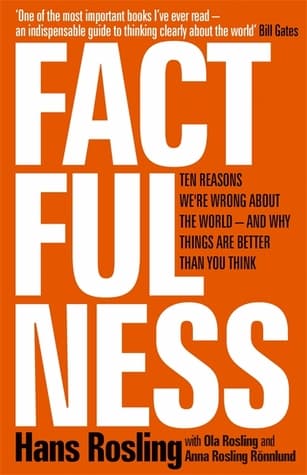
by Hans Rosling
4.4(103,161)
Hans Rosling shows how ten common human instincts distort our view of global progress, urging us to use data for a clearer, less anxious understanding of the world.
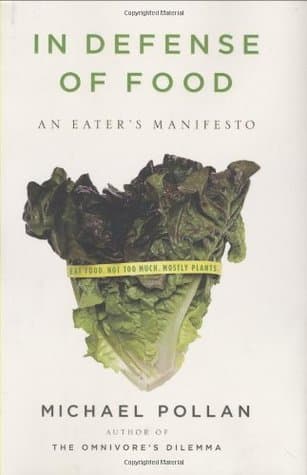
by Michael Pollan
4.1(102,455)
Michael Pollan argues that returning to simple, whole foods is the key to a healthier and more pleasurable life, urging us to "eat food. not too much. mostly plants."

by Robert B. Cialdini
4.2(101,158)
Learn the six psychological triggers that make people say 'yes,' turning you into a skilled persuader and a strong defense against manipulation.

by Dan Ariely
4.1(100,537)
MIT behavioral economist Dan Ariely reveals the systematic yet hidden forces of irrationality that consistently shape our everyday decisions, from minor purchases to major life choices.
by Charles Darwin
4.0(99,334)
Darwin's work reveals nature's endless, unguided process, where all life, from plants to humans, adapts and faces extinction in a complex, beautiful, and harsh cycle.
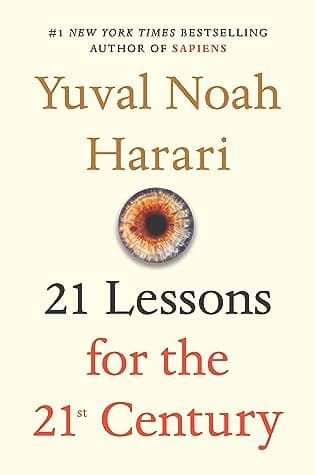
by Yuval Noah Harari
4.2(88,101)
Yuval Noah Harari offers 21 urgent lessons to help humanity navigate the present and prepare for an uncertain future marked by AI, fake news, and global upheaval.
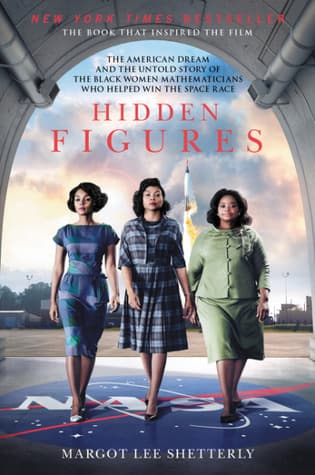
by Margot Lee Shetterly
3.9(82,348)
During the Civil Rights era, a team of African-American women mathematicians at NASA overcame racial and gender segregation to calculate the trajectories that launched America's astronauts into space.
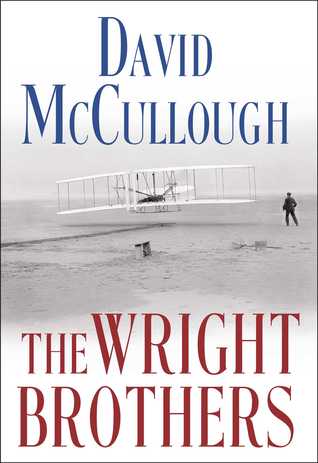
by David McCullough
4.1(74,798)
Wilbur and Orville Wright, two bicycle mechanics, used grit, curiosity, and ingenuity to achieve human flight.

by Jonathan Safran Foer
4.2(66,059)
Jonathan Safran Foer explores the ethical questions of his family's diet, investigating the hidden realities of industrial farming and the reasons for eating animals.
by Stephen Hawking
4.0(63,503)
Stephen Hawking and Leonard Mlodinow challenge our deepest ideas about creation, reality, and the universe's origin, proposing a multiverse born from quantum fluctuations where observation shapes history, and M-theory is the ultimate quest for everything.

by Robin Wall Kimmerer
4.3(63,020)
Robin Wall Kimmerer uses the serviceberry and Indigenous knowledge to show how an economy based on gratitude and reciprocity makes everyone better off, not just those who hoard.