The Limits of Reason: Impressions & Ideas
All our complex ideas are ultimately derived from simpler, more vivid impressions.
Quote
All the perceptions of the human mind resolve themselves into two distinct kinds, which I shall call Impressions and Ideas.
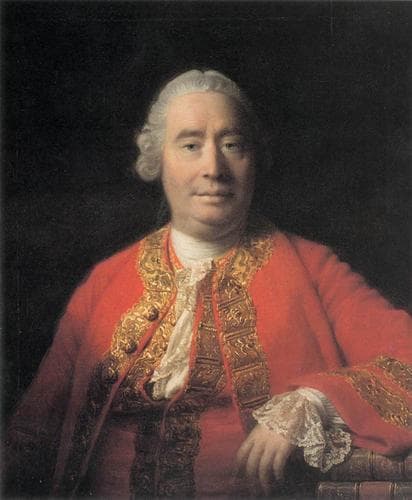
Hume argues that human understanding relies on two main types of perceptions: impressions and ideas. Impressions are our direct, strong sensations and experiences—what we see, feel, hear, want, or dislike. Ideas are the weaker mental copies of these impressions, used in thought and reasoning. For Hume, every idea, no matter how complex, must come from an original impression. This is a key test for empiricism: if an idea cannot be linked to an impression, its validity or meaning is questionable. This framework shows how important senso...
Supporting evidence
Hume's famous 'copy principle' where he challenges anyone to produce an idea not derived from a preceding impression, often using the example of a blind person having no idea of colors.
Apply this
When evaluating a complex concept or belief, trace it back to its constituent impressions. If it lacks empirical grounding, question its substance. This encourages a skeptical, evidence-based approach to knowledge.