
Explore our collection of philosophy books. Discover key insights and summaries from the best titles in this genre.
Showing 24 of 555 books
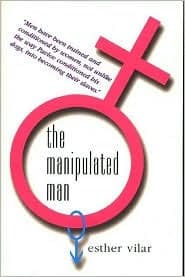
by Esther Vilar
3.6(1,264)
Esther Vilar argues that the 'manipulated man' is the true slave, working to support a woman who has become a privileged oppressor through societal conditioning.

by Jerzy Grotowski
4.3(1,217)
Grotowski's work explores actor-audience connection, removing theatrical excess to show the raw truth of performance.

by Charles Williams
3.9(1,183)
When the Beasts of the Apocalypse appear in the English countryside, a group of people must face their spiritual truths or be destroyed by the power of creation.
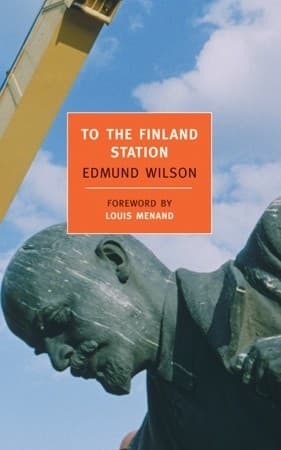
by Edmund Wilson
4.1(1,151)
Edmund Wilson chronicles the intellectual journey of revolution, from Enlightenment philosophy to the Bolshevik seizure of power, featuring an unforgettable cast of thinkers, dreamers, and conspirators.
by David Bohm
4.2(1,150)
David Bohm's "Wholeness and the Implicate Order" introduces a quantum theory where the universe, consciousness, and reality emerge from an indivisible, flowing whole, changing how we see existence.
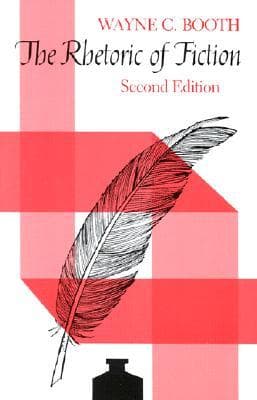
by Wayne C. Booth
4.0(1,143)
Booth's work examines how authors, narrators, and readers interact, showing how fictional forms persuade and shape understanding through ideas like the 'implied author' and 'unreliable narrator.'
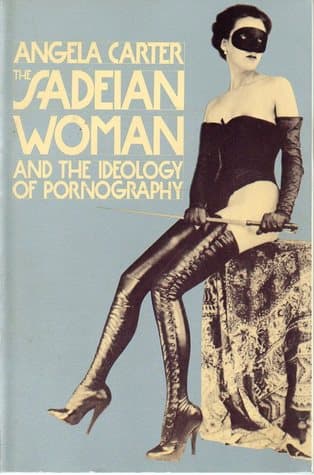
by Angela Carter
4.0(1,135)
Angela Carter dissects the Marquis de Sade's female archetypes, Justine and Juliette, to expose power dynamics in sexuality, marriage, and pornography, making them symbols for contemporary understanding.

by Henry Miller
4.1(1,122)
Henry Miller explores money with humor, defends the artist's role, and declares his love for painting, all while questioning societal norms with wit and insight.
by John Izzo
4.0(1,086)
This book shares five key secrets for lasting happiness, drawn from the life experiences of over 200 elders.
by Elsie Lincoln Benedict
3.3(1,070)
Understand human nature by quickly assessing character, revealing talents and career paths through observable physical traits.

by Charles Darwin
4.0(1,051)
Darwin explores the shared evolutionary origins of human morality and intellect by tracing how emotions are expressed across species, showing the connection between humans and animals.
by Galileo Galilei
4.1(1,037)
Galileo, through a lively discussion among three characters, shows the ancient, Earth-centered view of the universe is wrong, proving that our world orbits the sun, despite great personal risk.

by Dante Alighieri
4.2(1,024)
Explore sin, repentance, and divine love with Dante's classic poem, guided by expert insights.
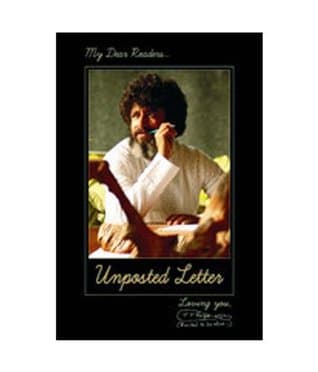
by Mahatria Ra
4.4(1,018)
Mahatria Ra's "Unposted Letters" offers deep, practical wisdom from various life experiences, guiding readers toward a richer, more fulfilling life by changing their views on challenges and opportunities.
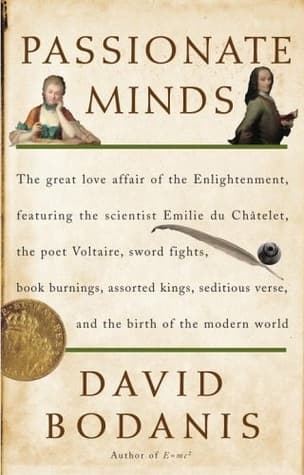
by David Bodanis
4.1(961)
In an era of intellectual change, "Passionate Minds" tells the story of Voltaire and Émilie du Châtelet's romance and scientific work, showing how her genius helped lead to Einstein's E=mc².

by Cheikh Hamidou Kane
3.6(894)
Torn between his Senegalese spiritual heritage and French rational education, Samba Diallo faces a crisis of faith and identity, struggling to choose between his soul and his intellect.
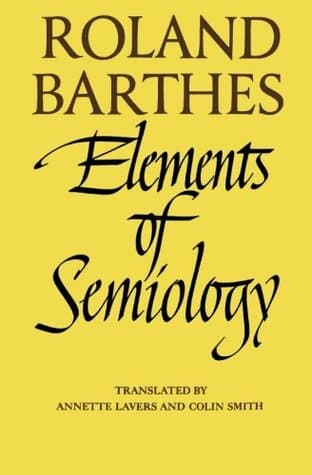
by Roland Barthes
3.8(847)
Barthes takes Saussure's language theories and creates a powerful tool, showing how everything from a gesture to a musical note acts as a sign within human culture's unspoken languages.
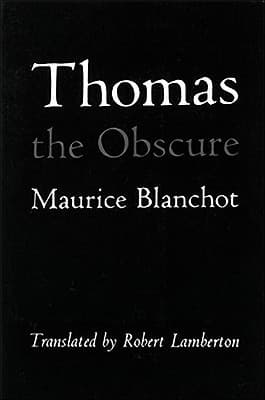
by Maurice Blanchot
4.0(799)
Thomas struggles with the elusive nature of being, searching for presence in absence and mystery in clarity, transforming the novel itself.
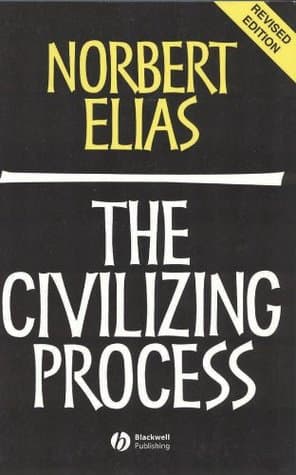
by Norbert Elias
4.3(782)
Norbert Elias shows how the state's power monopoly in Western Europe changed personal manners and individual minds, shaping the 'civilized' self from the late Middle Ages onward.
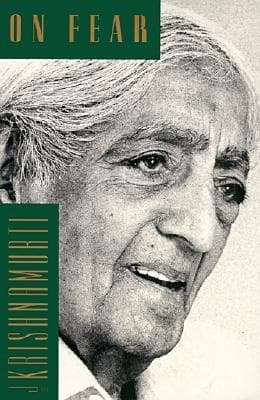
by Jiddu Krishnamurti
4.3(681)
Krishnamurti shows how fear poisons love, joy, and clear thought, urging direct self-inquiry to find its root.
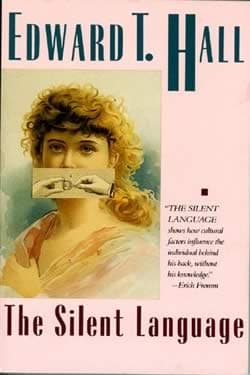
by Edward T. Hall
3.7(643)
Edward T. Hall's influential book explains how culture shapes our perception of time, space, and communication.

by Jackie Wang
4.7(619)
Jackie Wang shows how carceral power has grown, explaining how predatory lending, algorithmic control, and government practices extend the prison's reach beyond walls, trapping marginalized communities in a 'living hell' of debt and dehumanization.

by Mary Baker Eddy
4.3(615)
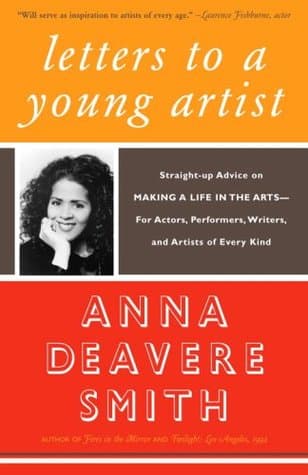
by Anna Deavere Smith
4.0(614)
Anna Deavere Smith shares a lifetime of theater experience through letters to a young artist, offering direct advice on navigating the creative life's highs and lows, from self-doubt to making a social impact.