BookBrief
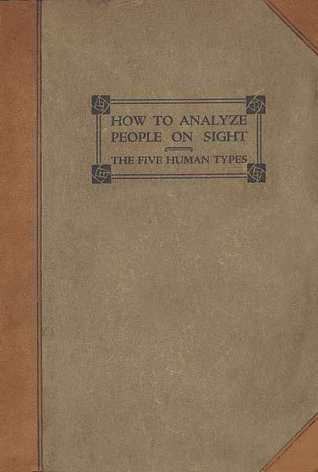
How to Analyze People on Sight cover
Archivist's Choice

How to Analyze People on Sight

Elsie Lincoln Benedict (1921)

Genre

Psychology / Science / Philosophy / Self-Help

Reading Time

90 min

Key Themes

See below

Track Your Reading

Sign in to track this book

Understand human nature by quickly assessing character, revealing talents and career paths through observable physical traits.

Core Idea

This book says everyone fits into one of four body types: Alimentary, Thoracic, Muscular, or Osseous. Each type links to certain physical traits, personality, job skills, and behaviors. By looking at someone's appearance, you can predict their main drives, strengths, and weaknesses. This helps improve communication, relationships, and all interactions. The main idea is that our physical type largely shapes who we are, providing a simple way to quickly understand people and ourselves.
Reading time
90 min
Difficulty
Easy
✓ Read this if...
You are interested in historical perspectives on personality typing, enjoy systems for quick human analysis, or want to explore early 20th-century self-help psychology.
✗ Skip this if...
You prefer modern, scientifically validated psychological models, find physiognomy and deterministic personality theories unconvincing, or are looking for nuanced, research-backed insights into human behavior.

Core idea

The central argument and framework that powers the entire book.

This book says everyone fits into one of four body types: Alimentary, Thoracic, Muscular, or Osseous. Each type links to certain physical traits, personality, job skills, and behaviors. By looking at someone's appearance, you can predict their main drives, strengths, and weaknesses. This helps improve communication, relationships, and all interactions. The main idea is that our physical type largely shapes who we are, providing a simple way to quickly understand people and ourselves.

At a glance

Reading time

90 min

Difficulty

Easy

Read this if...

You are interested in historical perspectives on personality typing, enjoy systems for quick human analysis, or want to explore early 20th-century self-help psychology.

Skip this if...

You prefer modern, scientifically validated psychological models, find physiognomy and deterministic personality theories unconvincing, or are looking for nuanced, research-backed insights into human behavior.

Key Takeaways

1

The Four Human Types

Understanding the fundamental classifications of human nature based on physical build.

Quote

There are four distinct types of people in the world. Each of us belongs to one of these types, and our physical characteristics are a key to understanding our inherent strengths and weaknesses.

Benedict's main idea is that people fit into four types: Alimentary, Thoracic, Muscular, and Osseous. These types come from which body system is most active, affecting looks, personality, career skills, and social behavior. For example, the Alimentary type has a well-developed digestive system, making them rounder and fond of comfort and food. Knowing these types allows for a quick, general assessment of someone's main drives and reactions. This offers a shortcut to understanding others and interacting effectively. While simple, this ...

Supporting evidence

Benedict introduces the four types – Alimentary, Thoracic, Muscular, and Osseous – and dedicates subsequent chapters to detailing the physical attributes, psychological traits, and ideal vocations for each, drawing connections between body shape and personality.

Apply this

When meeting new people, quickly observe their general body type (e.g., round, broad-chested, athletic, lean). Use this initial observation to make educated guesses about their primary interests and communication style, adjusting your approach to resonate more effectively with their likely type.


human-typologyphysical-determinismtemperament-theory
2

The Alimentary Type: The Comfort Seekers

Individuals with a dominant digestive system prioritize comfort, food, and social harmony.

Quote

The Alimentary type loves to eat, loves to laugh, and loves to have a good time. They are the 'good fellows' of the world, making friends easily and seeking pleasure above all else.

The Alimentary type has a strong digestive system, making them rounder and softer. Their main trait is a love for comfort, good food, and social time. They are usually kind, cheerful, and seek pleasure, often choosing ease over ambition. They do well in settings where they can connect with others, entertain, and enjoy life. They are naturally generous and welcoming, making them good hosts and pleasant company. However, their desire for comfort can sometimes reduce ambition or lead to putting things off. Understanding this type helps a...

Supporting evidence

Benedict describes the Alimentary type as having a large abdomen, round face, and soft hands, often associated with a love for food, comfort, and social gatherings. She suggests they excel in roles like entertaining, selling, or hospitality.

Apply this

When dealing with an Alimentary type, focus on building rapport through shared pleasantries, offering hospitality, and emphasizing the enjoyable aspects of a task or relationship. Avoid overly aggressive or confrontational approaches, as they value harmony.

alimentary-personalityhedonismsocial-harmonizers
3

The Thoracic Type: The Dynamic Leaders

Strong-chested individuals are driven, energetic, and natural leaders with a flair for drama.

Quote

The Thoracic type is built for power and action. They are the natural leaders, the orators, the ones who inspire and command attention. Their great chests house the lungs and heart, fueling their dynamic energy.

The Thoracic type has a strong breathing and circulatory system, often showing a broad chest, a strong voice, and lots of energy. These people are natural leaders, speakers, and performers, able to inspire and charm others. They are often driven by a need for recognition, excitement, and influence. They do well in leadership, public speaking, or any role needing action and strong emotions. While their energy is catching, they can also be dramatic or impatient. Recognizing a Thoracic type means understanding their need for a platform a...

Supporting evidence

Benedict characterizes the Thoracic type by their broad shoulders, large chest, and often a loud voice. She states they are natural orators, actors, and leaders, driven by passion and emotion.

Apply this

To engage a Thoracic type, appeal to their sense of importance, leadership, and the potential for exciting outcomes. Give them opportunities to speak, lead, and express their ideas with enthusiasm. Acknowledge their energy and drive.

thoracic-personalitycharismatic-leadershipdynamic-temperament
4

The Muscular Type: The Builders and Doers

Well-built individuals are practical, energetic, and focused on tangible results.

Quote

The Muscular type is the 'doer' of the world. They are practical, energetic, and thrive on physical exertion and tangible accomplishment. Give them a job, and they will get it done.

The Muscular type has well-developed muscles, often leading to a strong, athletic build. These people are practical, energetic, and driven to finish tasks and get real results. They are the builders, engineers, and athletes—those who are good at physical work, organizing, and doing things efficiently. They care less about abstract ideas or showing emotions and more about actions and measurable outcomes. While dependable and hardworking, they can seem rigid or too focused on their own ways. Working with a Muscular type needs clear talk...

Supporting evidence

Benedict describes the Muscular type as having a square jaw, firm muscles, and a preference for action over words. She suggests they are ideal for construction, engineering, and any work requiring physical strength and practical application.

Apply this

When working with a Muscular type, provide clear instructions, focus on practical steps, and emphasize the tangible results of their efforts. Delegate tasks that require consistent effort and precise execution. Avoid excessive theorizing.

muscular-personalitypragmatismtask-oriented
5

The Osseous Type: The Thinkers and Planners

Individuals with a dominant skeletal system are meticulous, analytical, and detail-oriented.

Quote

The Osseous type is the 'thinker' of the world, with their prominent bones and often lean build. They are the planners, the systemizers, and the ones who delight in detail and precision.

The Osseous type has a strong skeletal system, often resulting in a thin, angular build with noticeable bones. These people are careful thinkers, planners, and detailed organizers. They have a sharp analytical mind, love order, and need precision and accuracy. They are good at fields needing deep thought, research, and careful organization, like science, philosophy, or administration. Their strength is seeing the big picture while paying attention to small details. However, they can seem too critical, quiet, or slow to act because of ...

Supporting evidence

Benedict describes the Osseous type as having prominent bones, often a long face, and a preference for analysis and order. She suggests they are well-suited for scientific research, law, or any field requiring meticulous detail and intellectual rigor.

Apply this

When interacting with an Osseous type, present information logically and thoroughly. Provide data and facts, and allow them ample time to process and analyze. Appeal to their sense of order and precision. Avoid emotional appeals.

osseous-personalityanalytical-thinkingdetail-orientation
6

The Power of Observation

Quickly assess personality traits by observing physical characteristics and body language.

Quote

The most important thing to remember is that you can analyze people on sight. Their physical characteristics are an open book to their inner nature, if you only know how to read them.

Benedict's system relies on the idea that outward physical traits directly show inner psychological ones. This is about quick, 'on sight' assessment, not deep dives. By noticing someone's build (round, broad-chested, athletic, lean), facial features, and even habits, you can quickly guess their main type and, thus, their likely motivations, strengths, and weaknesses. This observation skill is a practical tool for better communication, negotiation, and relationships. It encourages actively trying to understand others, moving from assum...

Supporting evidence

Throughout the book, Benedict provides numerous examples linking specific physical traits (e.g., a large abdomen for Alimentary, broad shoulders for Thoracic) directly to corresponding personality characteristics and vocational aptitudes.

Apply this

Practice observing people in everyday situations – on the street, in meetings, on television. Try to guess their dominant type based purely on their physical appearance before they speak. Then, as they interact, see if your initial assessment aligns with their behavior.

physiognomynon-verbal-communicationperceptual-skills
7

Tailoring Communication

Adapt your communication style to resonate with each individual's primary type.

Quote

Once you know a person's type, you hold the key to communicating with them effectively. You can speak their language, appeal to their dominant traits, and avoid wasting time on approaches that will fall flat.

A main use of Benedict's types is to adjust how you communicate. Knowing if someone is Alimentary, Thoracic, Muscular, or Osseous helps you guess their values and how they prefer to interact. For an Alimentary, stress comfort, enjoyment, and social connection. For a Thoracic, appeal to their ambition, passion, and need for excitement. With a Muscular type, focus on practicality, action, and results. For an Osseous, give logic, data, and full explanations. This flexible approach reduces misunderstandings, builds connection faster, and ...

Supporting evidence

Benedict dedicates significant portions of each type's description to how best to 'handle' or 'manage' them, offering specific advice on what motivates them and what approaches to avoid in communication and persuasion.

Apply this

Before a crucial conversation or meeting, try to identify the dominant types of the individuals involved. Plan your arguments and presentation style to appeal to their specific motivations – e.g., if selling to an Alimentary, talk about comfort; to a Muscular, talk about efficiency.

communication-strategyinterpersonal-effectivenesspersuasion-techniques
8

Vocational Aptitude by Type

Each type is inherently suited for specific careers and roles.

Quote

Nature fits us for certain work, and the wise person understands their own type and chooses a vocation that aligns with their natural gifts. Misplacement is the cause of much unhappiness.

Benedict says a person's main body system not only shapes personality but also points to certain job skills. The Alimentary type, with their social ease and love of comfort, might do well in sales or hospitality. The energetic Thoracic type is a natural for leadership, public speaking, or performing. The practical Muscular type thrives in roles needing physical effort, building, or efficient management. The analytical Osseous type is suited for science, research, law, or any field needing careful thought. Understanding this link helps...

Supporting evidence

For each of the four types, Benedict provides extensive lists of suitable professions. For instance, she suggests Alimentary types are good salespeople, Thoracics are good actors or politicians, Musculars are good engineers, and Osseous types are good scientists or lawyers.

Apply this

Reflect on your own dominant type and assess if your current career path aligns with Benedict's suggested aptitudes. If not, consider how you might pivot or integrate aspects of your natural type into your work. For hiring, consider a candidate's physical type as an initial indicator of their potential fit for a role.

career-guidancetalent-matchingjob-satisfaction
9

The Dangers of Misunderstanding

Ignoring inherent differences leads to conflict and inefficiency.

Quote

Much of the friction in the world comes from trying to force one type of person to act like another, or from expecting everyone to be motivated by the same things. Understanding prevents this folly.

An important lesson is not to treat everyone the same. Benedict suggests that misunderstanding or ignoring these basic type differences causes much conflict and inefficiency in relationships. Expecting an Alimentary to be highly ambitious, a Thoracic to be too careful, a Muscular to be deeply philosophical, or an Osseous to be spontaneously emotional will lead to disappointment and problems. By seeing and respecting each type's nature, you can avoid unrealistic expectations, reduce clashes, and have more peaceful and effective interac...

Supporting evidence

Benedict repeatedly emphasizes the distinct motivations and limitations of each type, implying that any attempt to force a type into an unnatural role or expect behaviors contrary to their nature will result in failure and unhappiness.

Apply this

When experiencing conflict or frustration with someone, pause and consider their likely type. Ask yourself if your expectations are aligned with their natural inclinations. Adjust your approach rather than trying to change their fundamental nature.

conflict-resolutioninterpersonal-frictionunrealistic-expectations
10

Self-Knowledge and Self-Acceptance

Understanding your own type fosters self-awareness and personal growth.

Quote

To analyze others is powerful, but to analyze oneself is the beginning of wisdom. Knowing your own type allows you to harness your strengths and mitigate your weaknesses.

While the book is mainly about analyzing others, its framework offers a chance for self-reflection. By finding their own main type, readers learn about their strengths, natural leanings, and possible problems. This self-knowledge can lead to more self-acceptance, letting people use their natural talents instead of trying to be something they are not. It also helps them work on their type's weaknesses and choose environments and relationships that support their well-being and success. This journey of self-discovery, using Benedict's ty...

Supporting evidence

Benedict encourages readers to identify their own type as the first step in applying her system, implicitly suggesting that self-understanding is a crucial benefit and prerequisite for effectively understanding others.

Apply this

Determine your own dominant type based on Benedict's descriptions. Reflect on how your type influences your career choices, relationships, and personal habits. Use this insight to make more informed decisions about your life path and to cultivate self-compassion.

self-awarenesspersonal-growthauthenticity

Critical analysis

Notable Quotes

The study of human nature is the most fascinating and profitable study in the world.

Opening statement emphasizing the importance of understanding people.

Every human being is born with a certain type of body and a certain type of mind, and these two things determine his temperament, his abilities, and his limitations.

Introducing the core premise of physical and mental types influencing personality.

The mind is the builder of the body, and the body is the expression of the mind.

Highlighting the interconnectedness of mind and body in shaping an individual.

There are five types of people in the world: the Alimentary, the Thoracic, the Muscular, the Osseous, and the Cerebral.

Introducing the book's fundamental classification system of human types.

The Alimentary type is characterized by a large digestive system, a love of food, and a genial, pleasure-loving disposition.

Describing the first of the five body types.

The Thoracic type has a well-developed chest, a strong heart, and is typically energetic, enthusiastic, and often impulsive.

Describing the second of the five body types.

The Muscular type is marked by strong muscles, a powerful physique, and is usually active, aggressive, and practical.

Describing the third of the five body types.

The Osseous type is characterized by strong bones, a sturdy frame, and is often deliberate, persistent, and conservative.

Describing the fourth of the five body types.

The Cerebral type has a large head, a highly developed nervous system, and is typically intellectual, sensitive, and often introspective.

Describing the fifth and final of the five body types.

No one is a pure type; everyone is a blend of two or more of these types, with one usually predominating.

Clarifying that individuals are complex mixtures, not strict categories.

To analyze people on sight means to understand their fundamental nature and to predict, with a fair degree of accuracy, how they will react to various situations.

Defining the practical application and goal of the book's teachings.

The secret of getting along with people is to understand their type and to appeal to their strongest instincts.

Offering advice on how to improve interpersonal relationships.

Every type has its peculiar temptations, its special weaknesses, and its distinct virtues.

Acknowledging the multifaceted nature of each personality type.

Knowledge of human nature is power, and it is the most valuable power you can possess.

Concluding statement on the immense value and utility of understanding human psychology.

Quiz

Test Your Knowledge

Ready to see how well you understood this book? Take our interactive quiz with 10 questions.

10
Questions
~5
Minutes
?
Best Score

Key Questions (FAQ)

This book by Elsie Lincoln Benedict teaches readers how to understand an individual's inner traits and personality based on their external physical characteristics. It aims to provide practical methods for analyzing people quickly and effectively.

About the author