BookBrief
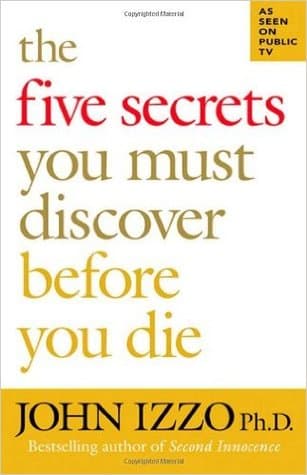
The Five Secrets You Must Discover Before You Die cover
Archivist's Choice

The Five Secrets You Must Discover Before You Die

John Izzo (2007)

Genre

Psychology / Philosophy / Self-Help

Reading Time

180 min

Key Themes

See below

Track Your Reading

Sign in to track this book

This book shares five key secrets for lasting happiness, drawn from the life experiences of over 200 elders.

Core Idea

Based on interviews with over 200 people aged 60 to 100 who described their lives as happy and full, this book collects their wisdom into five main ideas for lasting contentment. It suggests that happiness comes from choices and a certain way of thinking over time, highlighting relationships, purpose, living in the present, accepting challenges, and giving back. The book argues that by using these 'secrets' early, people can build a life without regret and full of meaning.
Reading time
180 min
Difficulty
Easy
✓ Read this if...
You are seeking practical, experience-based advice on how to live a more fulfilling and happy life, drawing wisdom from those who have lived long and well. You appreciate concise, actionable self-help rooted in real-world perspectives.
✗ Skip this if...
You prefer highly academic or theory-driven psychological texts, or you are looking for a deep dive into complex philosophical concepts rather than straightforward life lessons. If you've read many similar self-help books and are looking for groundbreaking new ideas, this might feel familiar.

Core idea

The central argument and framework that powers the entire book.

Based on interviews with over 200 people aged 60 to 100 who described their lives as happy and full, this book collects their wisdom into five main ideas for lasting contentment. It suggests that happiness comes from choices and a certain way of thinking over time, highlighting relationships, purpose, living in the present, accepting challenges, and giving back. The book argues that by using these 'secrets' early, people can build a life without regret and full of meaning.

At a glance

Reading time

180 min

Difficulty

Easy

Read this if...

You are seeking practical, experience-based advice on how to live a more fulfilling and happy life, drawing wisdom from those who have lived long and well. You appreciate concise, actionable self-help rooted in real-world perspectives.

Skip this if...

You prefer highly academic or theory-driven psychological texts, or you are looking for a deep dive into complex philosophical concepts rather than straightforward life lessons. If you've read many similar self-help books and are looking for groundbreaking new ideas, this might feel familiar.

Key Takeaways

1

Cultivate a Deep Sense of Purpose

Find meaning beyond personal gain to achieve lasting fulfillment.

Quote

The people who found the most meaning in their lives were those who felt they were making a difference in the lives of others, or contributing to something larger than themselves.

The book says true happiness is not about always seeking personal pleasure or money, but about finding and committing to a purpose bigger than oneself. The elders interviewed often said their greatest joys came from helping their communities, raising families, or pursuing callings that helped others. This deep purpose guides them, helping them through hard times and giving them a deep satisfaction that surface achievements cannot. It means focusing less on 'what can I get?' and more on 'what can I give?' or 'what can I build that will...

Supporting evidence

Izzo recounts the story of a Holocaust survivor who, despite immense suffering, found purpose in sharing his story to prevent future atrocities, and a retired teacher who dedicated her life to fostering literacy in her community, finding immense joy in each student's success.

Apply this

Reflect on your core values and identify causes or communities you deeply care about. Actively seek opportunities to contribute your time, skills, or resources to these areas, even in small ways. Volunteer, mentor, or dedicate a portion of your work to a mission that resonates with you.


purpose-driven-lifealtruismmeaning-making
2

Embrace the Power of Forgiveness

Release grudges to free yourself from the past and live fully in the present.

Quote

Holding onto anger and resentment is like drinking poison and expecting the other person to die.

One important lesson from the elders was the freedom that comes with forgiveness, both for others and for oneself. Many said they regretted years spent holding onto anger, later realizing that resentment only hurt them, using up mental and emotional energy that could have been for joy and growth. Forgiveness is presented not as excusing bad actions, but as a deliberate act of letting go, breaking the emotional ties to past hurts. This release helps people move forward, bringing inner peace and better relationships. It is a practical c...

Supporting evidence

Izzo shares the powerful story of a woman who spent decades estranged from her sister over a trivial inheritance dispute, only to find profound regret and emptiness in her later years. Upon finally reaching out and forgiving, she experienced a deep sense of peace.

Apply this

Identify any lingering resentments you hold, either towards others or yourself. Practice mindfulness and journaling to process these feelings. Consider writing a letter (even if unsent) of forgiveness. Seek to understand, but ultimately, choose to release the emotional burden for your own benefit.

emotional-releasereconciliationinner-peace
3

Live in the Present Moment

Savor today's experiences rather than dwelling on the past or obsessing over the future.

Quote

The greatest joy often came from appreciating the simple moments, the everyday beauty, and the connections right in front of them.

Many elders regretted time spent either regretting past mistakes or worrying about a future that might not happen, missing the richness of their present lives. They found that happiness comes from being aware of and thankful for the 'now.' This does not mean ignoring planning or learning from the past, but making an effort to fully experience current moments, like a conversation, a meal, a walk, or quiet reflection. It means seeing that life's biggest joys are often in ordinary things, if we just pay attention.

Supporting evidence

An elderly man recalled how he spent his working life constantly striving for the next promotion, only to realize in retirement that his happiest memories were simple family dinners and walks in the park that he barely noticed at the time.

Apply this

Practice daily mindfulness exercises. Designate specific times each day to fully engage your senses in an activity (e.g., eating without distractions, truly listening to a friend). Create 'no-planning' zones in your day where you simply allow yourself to be present and responsive.

mindfulnesspresent-momentgratitude
4

Embrace Imperfection and Growth

Accept your flaws and failures as opportunities for learning and becoming.

Quote

Many of the people I interviewed found their greatest strength and wisdom not in their successes, but in their ability to rise after falling.

The wise people in Izzo's study did not live perfect lives; many faced big problems, personal failures, and deep losses. What made them stand out was their ability to see these imperfections not as disasters, but as parts of their growth. They knew mistakes happen and that true strength comes from learning from them, adjusting, and moving on with more wisdom. This view encourages self-kindness and ongoing personal growth, instead of getting stuck in shame or regret. It is about seeing life as a constant process of becoming, not a fixe...

Supporting evidence

Izzo shares the story of a successful entrepreneur who experienced a major business failure and bankruptcy, but instead of succumbing to despair, he used the lessons learned to build an even more resilient and values-driven company later in life.

Apply this

When faced with a setback or mistake, consciously reframe it as a learning opportunity. Ask yourself: 'What can I learn from this? How can I grow?' Practice self-compassion by acknowledging your humanity and imperfection. Share your vulnerabilities with trusted friends.

resiliencegrowth-mindsetself-compassion
5

Invest in Meaningful Relationships

Prioritize deep connections as the ultimate source of joy and support.

Quote

At the end of their lives, what people cherished most was not their accomplishments or possessions, but the love they shared with others.

Most of the elders said meaningful relationships, with family, friends, and community, were the biggest source of their happiness and the most important factor in a life well-lived. They wished they had spent more good time with loved ones and stressed the importance of keeping these connections strong through listening, understanding, and consistent effort. Money and career successes often became less important, while memories of shared laughter, support, and deep affection stayed clear and valued. This secret shows that humans are s...

Supporting evidence

Izzo highlights the profound regret expressed by many who prioritized work or personal ambitions over their families, only to realize too late the irreplaceable value of those relationships. Conversely, those with strong social ties reported greater happiness and longevity.

Apply this

Regularly schedule dedicated quality time with loved ones. Practice active listening and express appreciation. Reach out to reconnect with old friends. Consider joining community groups or volunteering to expand your social circle and deepen connections.

social-connectioninterpersonal-relationshipscommunity
6

Choose Joy and Optimism

Cultivate a positive outlook regardless of external circumstances.

Quote

Happiness is not something that happens to you; it's something you choose, moment by moment.

The book shows that happiness is less about having no problems and more about a chosen mindset. The elders still suffered, but they chose to be hopeful, grateful, and to believe in the good in life. They knew that while outside events are often out of our control, how we react to them is always our choice. This active choice to find joy, even in small things, and to stay hopeful, was a strong factor in their overall well-being and strength. It means actively looking for the good side and finding reasons to be thankful.

Supporting evidence

A woman who lost her home in a fire recounted how, after initial despair, she chose to focus on the safety of her family and the opportunity to rebuild, finding unexpected joy in the process of starting anew.

Apply this

Start a daily gratitude practice, listing 3-5 things you are thankful for. Consciously reframe negative thoughts into more positive or neutral ones. Limit exposure to negative news and seek out uplifting stories. Surround yourself with optimistic people.

optimismgratitudepositive-psychology
7

Live Authentically and True to Self

Align your actions with your values and deepest convictions.

Quote

The greatest regret many expressed was not living the life they truly wanted, but the life others expected of them.

A common idea among the elders was the importance of living a life true to oneself, rather than giving in to social pressures or others' expectations. Many regretted times, or even decades, spent trying to please others, pursuing careers they did not love, or hiding their true desires. This lack of truth led to a deep feeling of emptiness and inner conflict. The elders emphasized the freedom that comes from knowing one's core values, accepting one's unique identity, and making choices that truly show who they are, even if it means a l...

Supporting evidence

Izzo shares the story of a man who worked a high-paying but unfulfilling corporate job for 30 years to please his parents, only to find true happiness and purpose in retirement when he finally pursued his passion for woodworking.

Apply this

Reflect on your core values and identify areas where your life might be out of alignment. Practice setting boundaries with others when their expectations conflict with your values. Take small steps to pursue a long-held passion or interest, even if it feels unconventional.

authenticityself-acceptanceintegrity
8

Embrace Simplicity and Contentment

Find satisfaction in what you have, rather than constantly chasing more.

Quote

It was never about accumulating more things, but about appreciating what they already had and finding joy in less.

The elders often showed that more possessions do not bring more happiness. In fact, many said that chasing money often caused more stress and less fulfillment. Instead, they found deep contentment in simplicity, appreciating basic comforts, natural beauty, and the simple joys of life without too much stuff. This secret encourages a shift from wanting more to appreciating enough, breaking the endless cycle of wanting and finding peace in 'enough.' It is a freedom from the social pressure to always upgrade and buy.

Supporting evidence

Izzo recounts a conversation with an elderly woman who lived a modest life but expressed immense gratitude for her small garden, her books, and her daily cup of tea, finding more joy than many wealthy individuals.

Apply this

Practice decluttering your physical space. Reflect on your consumption habits and identify areas where you can reduce. Cultivate gratitude for what you already possess. Spend time in nature to appreciate its inherent simplicity and beauty.

minimalismcontentmentgratitude
9

Learn to Let Go and Adapt

Release control over the uncontrollable and flow with life's inevitable changes.

Quote

Life is a constant process of change and loss. The happiest people were those who learned to surrender to it, rather than fight against it.

Life is always changing, with expected and unexpected changes, losses, and challenges. The elders showed a great ability to adapt and let go of what they could not control. They understood that holding onto past situations, people, or outcomes that are no longer possible only leads to suffering. This secret highlights the wisdom of accepting that things change, letting go of the need for strict control, and having a flexible mindset. It means going with life's flow, finding new paths when old ones close, and trusting in one's ability ...

Supporting evidence

Izzo speaks of individuals who faced significant health crises, job losses in old age, or the deaths of loved ones, yet found ways to adapt their lives, find new routines, and maintain a sense of purpose and joy.

Apply this

Identify areas where you are trying to control the uncontrollable. Practice acceptance through meditation or journaling. When faced with change, focus on what you can influence and let go of the rest. Seek support from others during transitions.

acceptanceadaptabilityimpermanence
10

Give Back and Serve Others

Find profound fulfillment by contributing to the well-being of the world.

Quote

The deepest happiness came from giving themselves away, from contributing their time and talent to make the world a better place.

Like the theme of purpose, this secret specifically stresses that giving and helping others is a strong way to lasting happiness. The elders consistently found their greatest joys were linked to helping others, whether through volunteering, mentoring, or simply being a kind and supportive person in their community. This desire to help not only benefits those who receive but also gives the giver a deep sense of meaning, connection, and gratitude. It goes beyond self-interest, showing that true flourishing often happens when we help oth...

Supporting evidence

Izzo shares the story of a retired postal worker who spent his later years volunteering at a local hospital, finding immense satisfaction and purpose in simply offering comfort and conversation to patients.

Apply this

Identify a cause or group you feel passionate about and commit to regular volunteering. Look for small, everyday opportunities to help others (e.g., offering assistance to a neighbor, mentoring a junior colleague). Practice acts of random kindness.

altruismservice-to-otherscommunity-engagement

Critical analysis

Notable Quotes

The greatest regret of the dying is not that they didn't achieve more, but that they didn't live more.

A central theme derived from interviews with successful elders.

True success is not measured by what you acquire, but by who you become.

Highlighting a shift in perspective on success from material to personal growth.

The most important journey you will ever take is the one inward.

Emphasizing the importance of self-reflection and introspection.

Forgiveness is not something you do for others, it's something you do for yourself.

Discussing the liberating power of forgiveness in one's own life.

Don't let the fear of what could go wrong keep you from doing what could go right.

Encouraging readers to overcome fear and take action.

The greatest gift you can give another is the gift of your presence.

Underlining the value of genuine connection and being present with others.

Your life is your message to the world; make sure it's inspiring.

A call to live a life that positively influences others.

It's not about finding yourself, it's about creating yourself.

Challenging the passive notion of self-discovery and advocating for active self-creation.

Joy is not a destination, it's a way of traveling.

Redefining joy as an ongoing process and mindset, rather than a final achievement.

The only thing standing between you and your dreams is the story you keep telling yourself about why you can't achieve them.

Addressing self-limiting beliefs and internal narratives.

Love is not something you get, it's something you give.

A perspective on love as an active, outward expression rather than a passive reception.

Your time is finite; don't waste it living someone else's life.

Urging readers to live authentically and pursue their own paths.

The most powerful question you can ask yourself is 'What truly matters to me?'

Encouraging a deep exploration of personal values and priorities.

Wisdom is not found in textbooks, but in living a life of intention.

Highlighting the experiential nature of true wisdom.

Quiz

Test Your Knowledge

Ready to see how well you understood this book? Take our interactive quiz with 10 questions.

10
Questions
~5
Minutes
?
Best Score

Key Questions (FAQ)

The book reveals five core principles for lasting happiness and meaning, distilled from interviews with over 200 individuals aged 60-106. These secrets guide readers on how to live a fulfilling life with fewer regrets.

About the author