
Explore our collection of philosophy books. Discover key insights and summaries from the best titles in this genre.
Showing 24 of 555 books
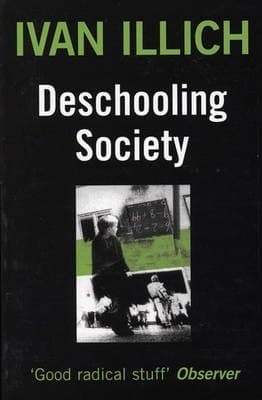
by Ivan Illich
4.0(2,351)
Ivan Illich's "Deschooling Society" calls for dismantling institutionalized education to reclaim authentic learning through self-directed exploration and informal social connections.
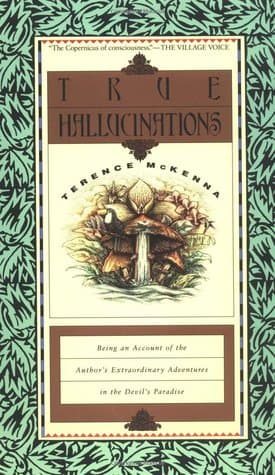
by Terence McKenna
4.2(2,333)
Terence McKenna recounts his Amazonian journey with psychoactive plants, exploring the line between madness and enlightenment and questioning our ideas about time and consciousness.
by Paulo Coelho
3.7(2,287)
In a quiet village, a legendary archer teaches a young boy that true mastery is not just about hitting the target, but about a steady spirit, brave choices, and daily practice on the path to self-discovery.
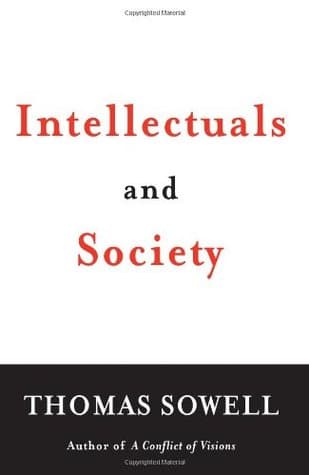
by Thomas Sowell
4.3(2,278)
Thomas Sowell explains how modern intellectuals, despite often being wrong, subtly influence democratic societies by shaping public opinion rather than directly advising rulers, making them a powerful but unaccountable force.
by Lesslie Newbigin
4.2(2,192)
Lesslie Newbigin helps Christians understand modern pluralism, offering a way to share and live the gospel confidently amid different worldviews, cultural relativism, and secularism.

by John Fowles
3.2(2,165)
A novelist with amnesia struggles against his seductive muse, who may be his doctor, in a playful look at art, identity, and storytelling.
by Loren Eiseley
4.3(2,155)
Loren Eiseley, a writer with a scientist's mind and a poet's heart, turns his encounters with nature into deep thoughts about humanity's ancient past and uncertain present.
by Bertrand Russell
4.1(2,146)
Bertrand Russell's essay presents his atheistic worldview, a stance so controversial it cost him a teaching position, yet it remains a clear look into his thought.
by G.K. Chesterton
4.0(2,128)
A devout Catholic and a zealous atheist, both comically naive, spark a duel and a whirlwind of allegorical adventures across England, all to settle the eternal debate between faith and reason.
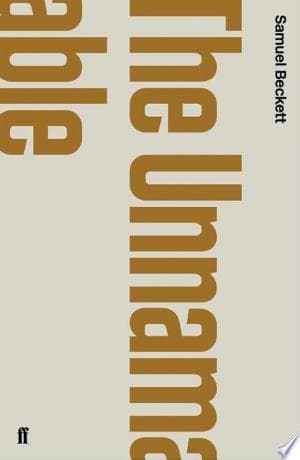
by Samuel Beckett
4.0(2,109)
Trapped in an endless monologue, the Unnamable grapples with the futility of language and the relentless compulsion to speak, even as he yearns for the oblivion of silence and the cessation of self.

by Zhuangzi
4.4(2,102)
Explore the world of an ancient Chinese sage who questions traditional ideas with paradoxes, stories, and humor, helping readers find a spontaneous and free existence.
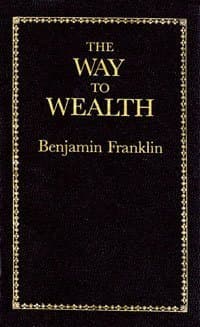
by Benjamin Franklin
4.1(2,092)
Through the voice of Father Abraham, Benjamin Franklin distills a quarter-century of Poor Richard's wisdom into a timeless sermon on the industrious grit and shrewd frugality required to forge one's own prosperity.
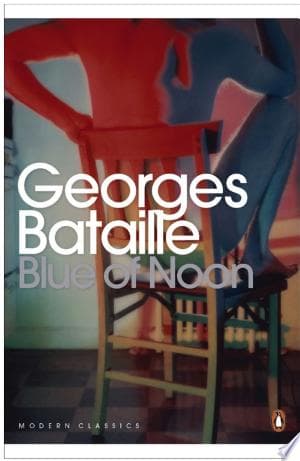
by Georges Bataille
3.7(2,008)
Amidst Europe's descent into fascism, a man's surreal odyssey through squalor, sadism, and drunken encounters mirrors civilization's collapse, blurring the lines between victimhood and the monstrous allure of power.
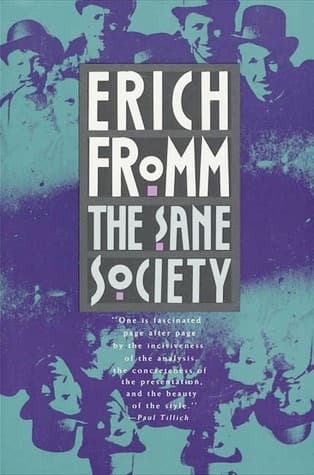
by Erich Fromm
4.3(2,003)
Erich Fromm examines the 'pathology of normalcy' in Western capitalism, showing how societal sickness isolates individuals and suggesting radical community-based solutions for mental health, love, and freedom.
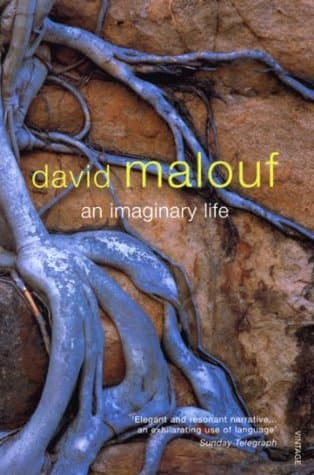
by David Malouf
3.9(1,958)
Exiled to the desolate edge of the Roman world, the sophisticated poet Ovid finds unexpected redemption and a deep connection to the wild through his guardianship of a boy raised by deer.

by Eve Kosofsky Sedgwick
4.1(1,958)
Sedgwick shows how defining male homo/heterosexuality is an unavoidable, often difficult, way 20th-century knowledge is built and understood.
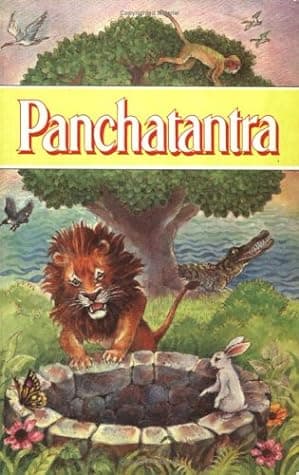
by Pandit Vishnusharma
4.3(1,916)
Through animal fables, the ancient Panchatantra shares lessons in human nature and wise conduct, guiding readers toward success.

by Simone de Beauvoir
4.0(1,885)
A Resistance leader, during the Nazi occupation, faces a terrible choice: sacrifice his lover for the cause, or doom others. He must confront the impact of his moral decisions.

by Karen Hesse
4.4(1,821)
In 1924 Vermont, the Ku Klux Klan shatters a quiet town, forcing a Black girl, a Jewish girl, and their neighbors to face hatred and find strength in unexpected friendships.
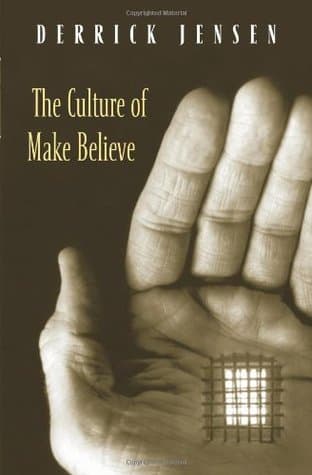
by Derrick Jensen
4.3(1,818)
Derrick Jensen connects early 20th-century American lynchings to modern South American death squads, showing the 'make-believe' that underpins our civilization.
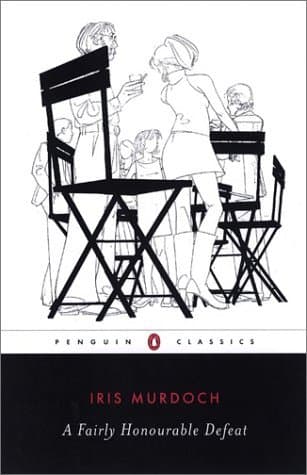
by Iris Murdoch
3.9(1,780)
In a dark comedy, a cynical intellectual manipulates friends and couples, exposing their fragile loyalties and proving humanity prefers drama over honest communication.

by Friedrich Nietzsche
4.0(1,775)
Nietzsche argues that too much historical knowledge, when it does not serve life and action, can weaken human vitality and lead to cultural decline.
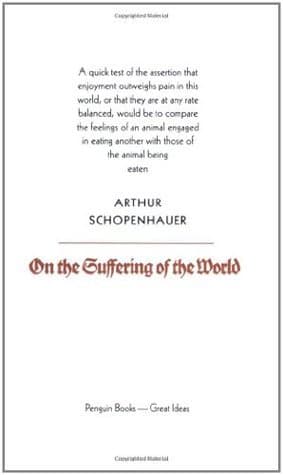
by Arthur Schopenhauer
3.9(1,764)
Schopenhauer argues that existence is futile, with art, morality, and self-awareness offering the only comfort in an indifferent world.
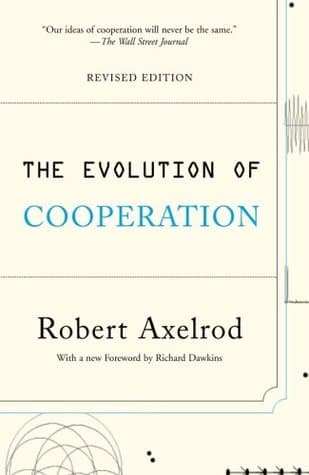
by Robert Axelrod
4.2(1,649)
Axelrod shows how cooperation can emerge and last, even among self-interested groups without a central authority, through the surprising success of 'Tit for Tat' in game theory.