
Explore our collection of philosophy books. Discover key insights and summaries from the best titles in this genre.
Showing 24 of 555 books
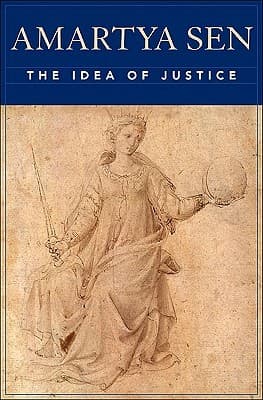
by Amartya Sen
4.0(1,630)
Amartya Sen argues against seeking a perfectly just society, instead favoring a practical, comparative approach to justice that addresses real-world inequalities by considering diverse viewpoints.

by Harry Browne
4.1(1,587)
Harry Browne presents a radical path to personal freedom, arguing it is an internal state, not something granted by society.
by Nicholas Wolterstorff
4.5(1,584)
After his son Eric's sudden death, a philosopher turns his grief into a personal and moving lament, giving voice to the pain of loss and the strength of love.
by Thomas Sowell
4.4(1,583)
Sowell shows how seeking an ill-defined 'cosmic justice' undermines true equality and freedom, slowly eroding the foundations of the American Revolution through well-intentioned but flawed social ideas.
by Pierre Bourdieu
4.0(1,555)
Bourdieu's main work shows 'habitus' as a system of tendencies, shaped by and shaping social practices within Kabyle society.
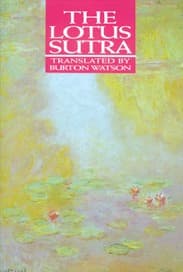
by Anonymous
4.2(1,548)
Explore 'The Lotus Sutra,' an ancient Mahayana Buddhist scripture that shares spiritual wisdom and parables, influencing spiritual paths and literary works across Asia for centuries.
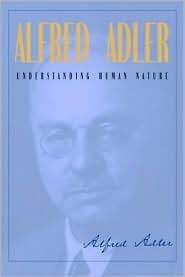
by Alfred Adler
4.0(1,533)
Adler's 1927 guide explores the roots of our daily actions, helping us understand ourselves better and live more cooperatively.
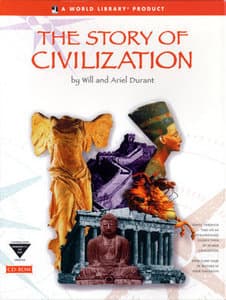
by Will Durant
4.4(1,506)
Durant’s "Story of Civilization" is an eleven-volume series that covers human history from ancient Mesopotamia to the Napoleonic era, detailing the rise and fall of empires, philosophies, and the evolution of art and science.
by Alexander Pope
3.7(1,489)
Alexander Pope's poetic essay explores the universe's order and humanity's place, urging readers to use reason and accept that 'whatever is, is right.'
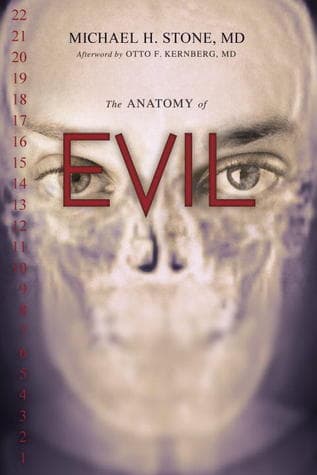
by Michael H. Stone
4.0(1,476)
Dr. Michael Stone explores the minds of notorious killers, dissecting the range of human evil, mapping its psychological roots, and proposing a hierarchical understanding beyond religious dogma.
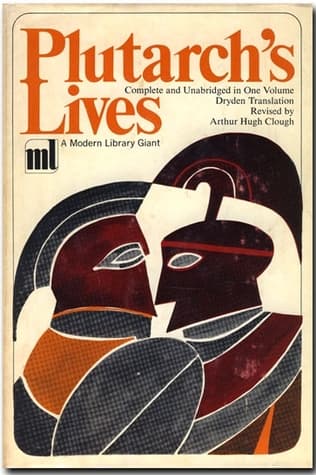
by Plutarch
4.1(1,455)
Plutarch's 'Parallel Lives' pairs the lives of Greek and Roman figures, not to chronicle history, but to show character through anecdote and detail, revealing how virtue and vice shaped their destinies.
by Roland Barthes
3.9(1,448)
Roland Barthes examines how literature's revolutionary potential is often undermined by its historical forms and self-serving myths, questioning its inherent political commitment.
by Jill Paton Walsh
4.0(1,422)
On a secluded 15th-century island, a philosophical castaway and a feral child spark a dangerous intellectual and spiritual battle, tragically intensified by the looming Inquisition.
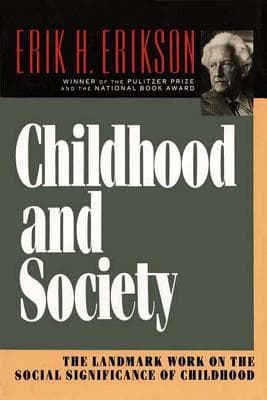
by Erik H. Erikson
4.1(1,420)
Erik Erikson's important work links individual psychological development with cultural and historical forces, showing how childhood shapes personal identity and society's evolution.
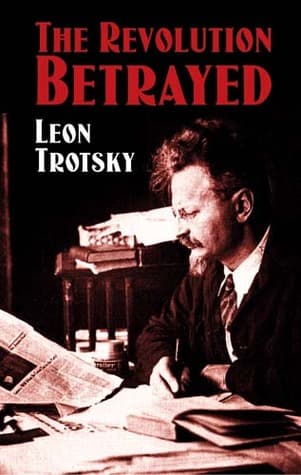
by Leon Trotsky
4.0(1,415)
Trotsky explains how the Soviet Union, under Stalin, fell from a revolutionary state to a totalitarian one, showing how bureaucratic corruption and the rejection of true socialist goals betrayed the workers' state.
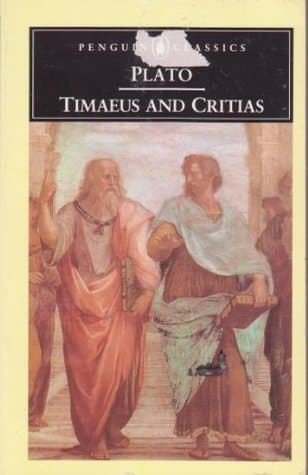
by Plato
3.9(1,357)
Plato's Timaeus and Critias explores the creation of the cosmos, the divine origin of humans, and the advanced civilization of Atlantis through ancient Greek philosophical dialogues.
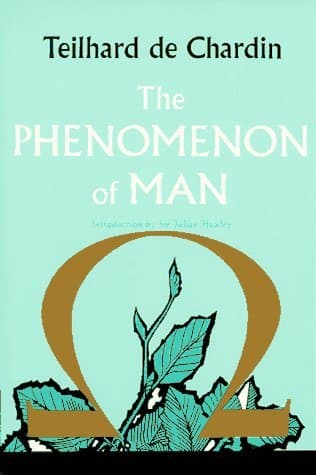
by Pierre Teilhard de Chardin
4.1(1,356)
In "The Phenomenon of Man," Teilhard de Chardin explores how Christian theology and scientific evolution can align, showing a universe always moving toward a divine Omega Point.
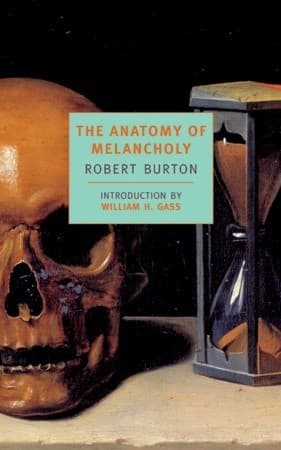
by Robert Burton
4.2(1,338)
Robert Burton's 17th-century work is a vast, elegant exploration of human melancholy, dissecting every aspect of the condition and offering a timeless journey through psychology, history, and philosophy.

by Ted Chiang
4.0(1,328)
In a world where angels visibly cause destruction and souls in Hell are public, a grieving father grapples with faith, justice, and the terrifying indifference of a demonstrably real divine.
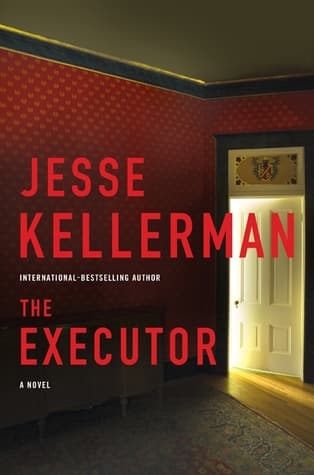
by Jesse Kellerman
3.2(1,324)
A poor philosophy student's search for conversation with a rich, mysterious woman turns into a deadly inheritance game where intellectual arguments become a fight for survival.
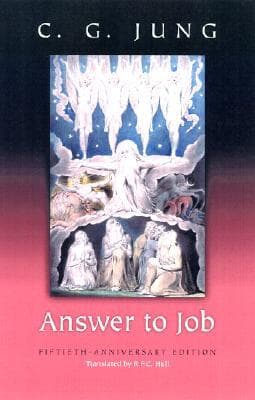
by C.G. Jung
4.2(1,299)
Jung's most controversial work analyzes the biblical Book of Job not as theology, but as an exploration of how divine and evil archetypes appear in the human mind.
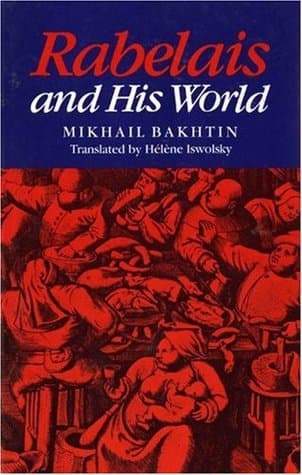
by Mikhail Bakhtin
4.3(1,294)
Bakhtin describes the revolutionary laughter of Rabelais's carnival as a timeless force of popular renewal, subtly defying the oppressive orthodoxies of his own Stalinist era.
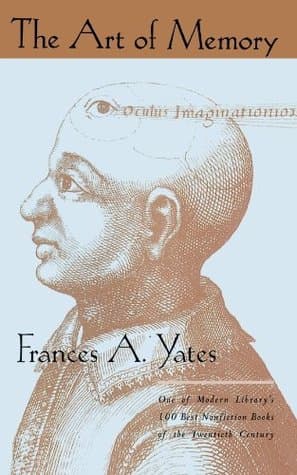
by Frances A. Yates
4.2(1,280)
Frances Yates explores how ancient orators and Renaissance mages mastered vast knowledge before printing, using forgotten memory palace techniques that shaped Western thought.

by Brianna Wiest
4.1(1,270)
This essay collection challenges common ideas about self-help, encouraging you to prioritize purpose over passion, use negative thinking, and understand the biases that shape your reality.