The Revolutionary Ideal: A Continuous Thread
Modern revolutionary thought is a direct descendant of the Enlightenment's quest for human liberation.
Quote
The great revolutions have been born of the conviction that man is by nature good, and that if he is only freed from the corrupting influence of institutions, he will be able to live in peace and harmony with his fellows.
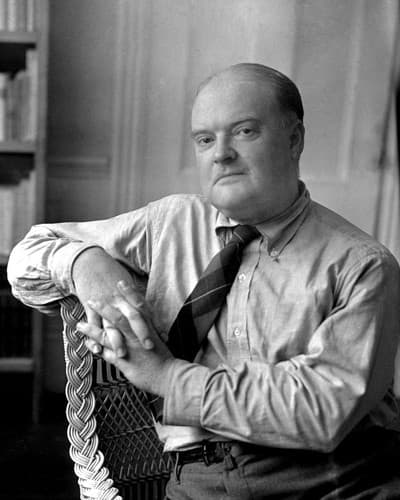
Wilson traces the intellectual origins of revolutionary passion, showing that movements from the French Revolution to the Bolshevik Revolution share a common philosophical root. This root lies in the Enlightenment's belief in human perfectibility and inherent goodness, corrupted only by oppressive societal structures. Revolutionaries, from Babeuf to Marx, were not just reacting to immediate injustices but were driven by a deep, almost utopian, vision of a transformed society. This continuity reveals that the search for a 'new man' and...
Supporting evidence
Wilson begins with Vico's cyclical view of history and Rousseau's concept of the 'noble savage' and the social contract, showing how these ideas laid the groundwork for Babeuf's Conspiracy of the Equals, which sought to implement absolute equality through revolutionary means.
Apply this
When analyzing contemporary social movements, consider their underlying philosophical assumptions about human nature and the ideal society. Are they seeking incremental change or a fundamental societal re-engineering, and what historical precedents might inform their approach?