
Explore our collection of philosophy books. Discover key insights and summaries from the best titles in this genre.
Showing 24 of 555 books

by Henry Drummond
4.3(586)
Drummond shows how Christian love goes beyond simple feeling to become the foundation of a good life.

by P.D. Ouspensky
4.0(584)
Haunted by a recurring dream that reveals the cyclical futility of his existence, a man desperately seeks to alter his fate across multiple lifetimes in a philosophical journey from Moscow to Paris.
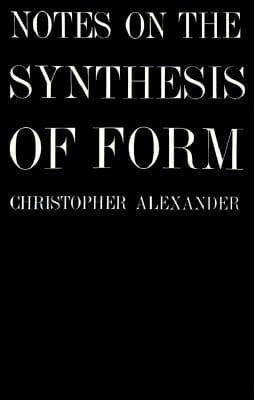
by Christopher W. Alexander
4.0(578)
Alexander explains how traditional, un-self-conscious cultures naturally create well-adapted forms, then offers a radical, set-theory-based method for modern designers to overcome arbitrary ideas and create truly harmonious designs by breaking down problems into their inherent, context-driven subsystems.
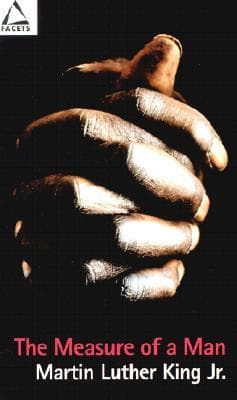
by Martin Luther King Jr.
4.5(552)
Martin Luther King Jr. explores the theological foundations of nonviolent activism, showing its power to change society.
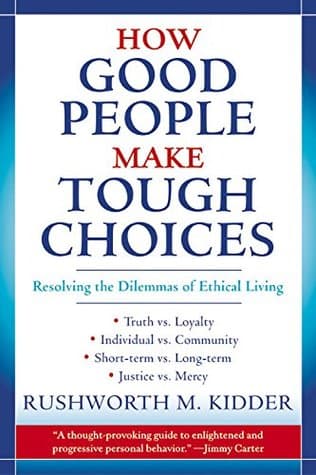
by Rushworth Kidder
3.7(496)
Learn to navigate ethical dilemmas, turning difficult choices into chances for self-reflection and principled action.

by Wallace Shawn
4.2(476)
A traveler in a poor land realizes their comfort depends on the suffering they see, which makes them rethink ethical living.
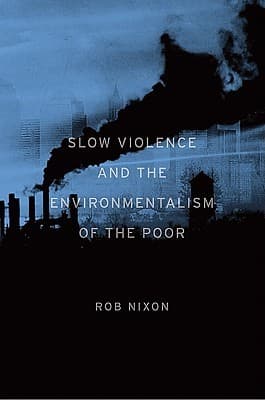
by Rob Nixon
4.4(371)
Rob Nixon's 'slow violence' concept explains how gradual environmental harm affects the global poor most, requiring new ways to see and address crisis.
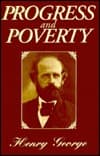
by Henry George
4.3(367)
Henry George's 1879 book explores why poverty deepens as wealth grows, proposing a solution to industrial slumps and inequality that influenced figures like Einstein and Tolstoy.
by Ludwig von Mises
4.4(314)
Ludwig von Mises shows how central planning's attempts to organize society dismantle the price system, suppress individual freedom, and lead economies into destructive 'planned chaos' instead of order.

by Jim Stockdale
4.3(297)
Jim Stockdale's memoir, from his Hanoi prison to post-war life, shows the strength of leadership, love, and philosophy during the Vietnam War.
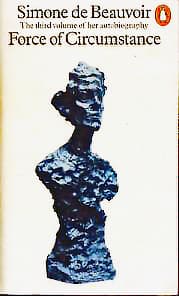
by Simone de Beauvoir
4.1(292)
Simone de Beauvoir examines her life, her relationships with figures like Sartre and Camus, and the truths behind the legends, showing the 'force of circumstance' that shaped a pioneering feminist philosopher.

by Bono
4.3(280)
Bono challenges readers to confront global injustice and poverty, sharing his faith and belief that true spirituality means helping the world's most vulnerable.

by Jonathan Swift
3.4(222)
In a war of wit and ink, ancient tomes clash with modern pamphlets on the dusty shelves of a library, each vying for intellectual supremacy and the very soul of literature.

by Martin Heidegger
4.5(217)
Heidegger's wartime lectures dissect the Latinized West, tracing truth's decline from Parmenides' early insights through language to expose the modern world's 'out of joint' state.
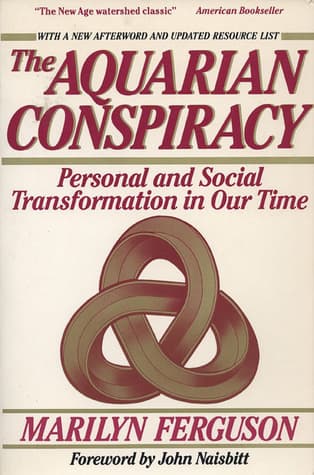
by Marilyn Ferguson
3.6(201)
This book explores the hidden currents of the 1980s, revealing the true power behind the New Age movement: a quiet revolution of awakening consciousness.

by Clive Bell
3.7(195)
Clive Bell's 'Art' states that 'significant form'—a quality of line and color—is the only thing that creates aesthetic emotion, defining true art and connecting works across all cultures and times.
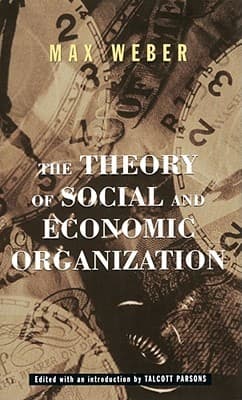
by Max Weber
3.9(190)
Weber's essential work critiques societal structures, examining the foundations of modern order and the interplay between power, rationality, and human action.
by John B. Cobb Jr.
3.8(158)
Explore a vision of God and the universe where divine influence is persuasive love, not coercive power, evolving with a constantly changing world.
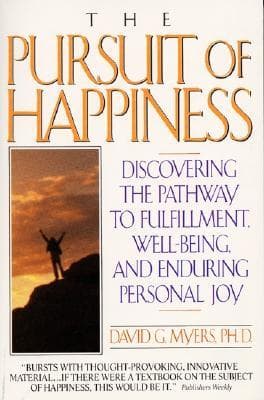
by David G. Myers
3.7(148)
David G. Myers condenses global scientific research to show the real, often surprising, psychological components of lasting happiness. He challenges common ideas and gives readers practical ways to live a more joyful life.

by Robin Craig Clark
3.7(136)
Begin a spiritual journey where old wisdom, romance, and the idea of 'I Am That I Am' come together to reveal your deepest self.
by Henry Sidgwick
4.0(124)
Sidgwick's 'Methods of Ethics' explains how classical utilitarianism aims to maximize 'agreeable consciousness' for all beings, detailing its logical basis and practical effects.
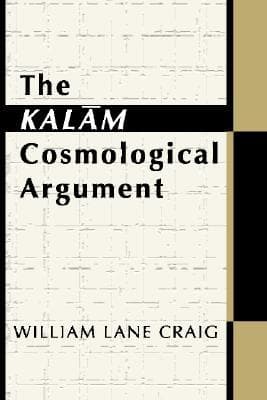
by William Lane Craig
4.1(99)
William Lane Craig builds a philosophical and scientific case for God's existence, addressing objections to the universe's finite past and its cause.

by John Stevens
3.9(77)
This book explores the spiritual and philosophical side of Aikido, linking it to various Eastern and Western traditions and showing how it can help create harmony in a chaotic world.
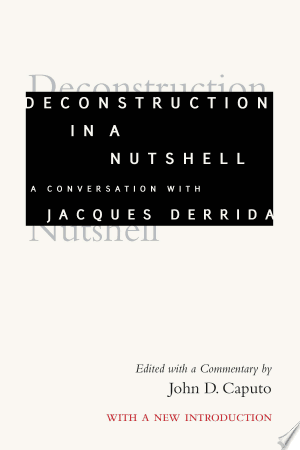
by Jacques Derrida
4.3(11)
Derrida's own words dismantle Western thought, showing deconstruction's pursuit of justice and responsibility, not relativism.