“A bow is a line of strength, a line of tension, a line of direction. It is a symbol of life.”
— The master explaining the fundamental nature of the bow to Tetsuya.

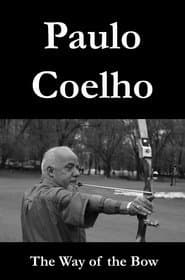
Paulo Coelho (2008)
Genre
Spirituality / Philosophy
Reading Time
60 min
Key Themes
See below
Sign in to track this book
In a quiet village, a legendary archer teaches a young boy that true mastery is not just about hitting the target, but about a steady spirit, brave choices, and daily practice on the path to self-discovery.
“A bow is a line of strength, a line of tension, a line of direction. It is a symbol of life.”
— The master explaining the fundamental nature of the bow to Tetsuya.
“The archer is the instrument, the bow is the extension of his will, and the arrow is the path of his intention.”
— Tetsuya's initial teaching on the interconnectedness of archer, bow, and arrow.
“The arrow has no will of its own. It is the archer's intention that guides it.”
— Emphasizing the importance of the archer's inner state.
“Do not give up. It is the archer's greatest challenge to continue, even when he thinks he has reached his limit.”
— Encouragement during a moment of doubt or difficulty in practice.
“The archer who perfects his technique and then forgets himself in the act of shooting becomes one with the target.”
— Describing the state of 'flow' or ultimate mastery.
“Every archer has a different way of holding the bow, releasing the string, and aiming at the target. There is no single correct way.”
— Highlighting individuality in the path to mastery.
“The target is not just a piece of wood. It is everything that you want to achieve in life.”
— Expanding the metaphor of archery to life goals and aspirations.
“Fear makes you lose your balance. You need to be in harmony with yourself to hit the target.”
— Addressing the psychological barriers to success.
“A good archer is not one who always hits the target, but one who always shoots with the same intention.”
— Redefining success beyond mere outcome.
“The path is made by walking. The archer learns by shooting.”
— Emphasizing experiential learning and consistent practice.
“The bow is not just a weapon; it is a bridge between the archer and the universe.”
— A deeper spiritual interpretation of the bow and archery.
“When you are in harmony with the bow, the arrow will find its way.”
— Speaking of the natural outcome of inner alignment.
“The true archer is the one who transforms his life through the practice of archery.”
— The ultimate purpose and transformative power of the discipline.
“Every mistake is a lesson. Every shot is an opportunity to learn.”
— A positive reframing of errors and failures in practice.
“Patience is not simply the ability to wait, but how we behave while we are waiting.”
— The master teaching a nuanced understanding of patience.
Ready to see how well you understood this book? Take our interactive quiz with 10 questions.
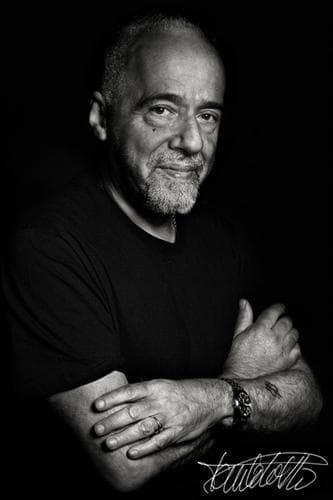
Paulo Coelho de Souza is a Brazilian lyricist and novelist and a member of the Brazilian Academy of Letters since 2002. His novel The Alchemist became an international best-seller and he has published 30 more books since then.
Kay Lynn Mangum
4.3
Stormie Omartian
4.3
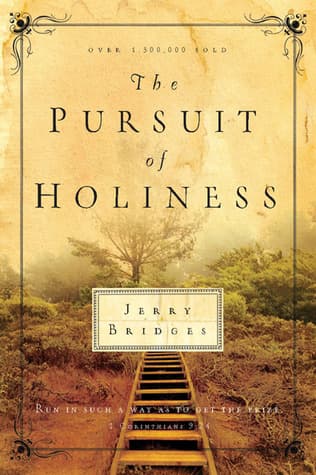
Jerry Bridges
4.3
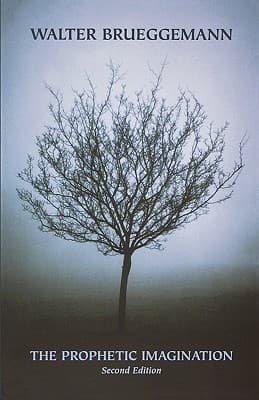
Walter Brueggemann
4.3
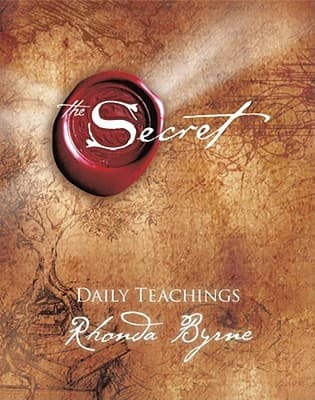
Rhonda Byrne
4.3
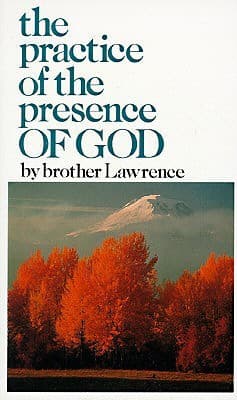
Brother Lawrence
4.3
Joseph Campbell
4.3
Unknown
4.3