BookBrief
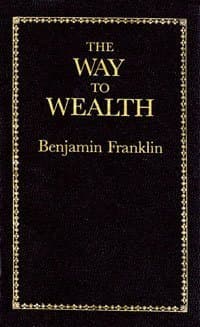
The Way to Wealth cover
Archivist's Choice

The Way to Wealth

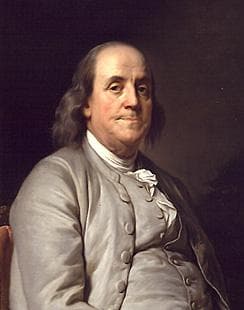
Benjamin Franklin (1758)

Genre

Business / History / Economics / Philosophy / Self-Help

Reading Time

30 min

Key Themes

See below

Track Your Reading

Sign in to track this book

Through the voice of Father Abraham, Benjamin Franklin distills a quarter-century of Poor Richard's wisdom into a timeless sermon on the industrious grit and shrewd frugality required to forge one's own prosperity.

Core Idea

Benjamin Franklin's "The Way to Wealth" shares lasting advice on personal finance and working hard, told through the character of Father Abraham. The main point is that wealth comes not from luck or grand schemes but from consistent effort, strict saving, good time management, and avoiding debt. Franklin stresses that real financial freedom and success happen when people master themselves through hard work, constant learning, and integrity, rather than looking for outside chances or relying on others.
Reading time
30 min
Difficulty
Easy
✓ Read this if...
You are looking for foundational principles of personal finance, productivity, and self-discipline, presented in a concise, aphoristic style. Ideal for those seeking to build wealth through tried-and-true methods of hard work and thrift.
✗ Skip this if...
You are seeking complex economic theories, modern investment strategies, or a deep historical analysis. This book offers moral philosophy for wealth building, not a detailed how-to guide for contemporary financial markets.

Core idea

The central argument and framework that powers the entire book.

Benjamin Franklin's "The Way to Wealth" shares lasting advice on personal finance and working hard, told through the character of Father Abraham. The main point is that wealth comes not from luck or grand schemes but from consistent effort, strict saving, good time management, and avoiding debt. Franklin stresses that real financial freedom and success happen when people master themselves through hard work, constant learning, and integrity, rather than looking for outside chances or relying on others.

At a glance

Reading time

30 min

Difficulty

Easy

Read this if...

You are looking for foundational principles of personal finance, productivity, and self-discipline, presented in a concise, aphoristic style. Ideal for those seeking to build wealth through tried-and-true methods of hard work and thrift.

Skip this if...

You are seeking complex economic theories, modern investment strategies, or a deep historical analysis. This book offers moral philosophy for wealth building, not a detailed how-to guide for contemporary financial markets.

Key Takeaways

1

Diligence is the Master Key

Consistent effort, not just raw talent, unlocks prosperity.

Quote

Sloth, like rust, consumes faster than labor wears, while the used key is always bright.

Franklin argues that idleness is damaging, more so than the natural wear of hard work. The 'used key' example shows this well: a key used often stays polished and works, while one left unused rusts and becomes useless. This applies not just to physical tasks but to mental and professional efforts. Constant involvement, learning, and using skills keep a person sharp and productive. Always working on tasks, even small ones, builds momentum and prevents abilities and chances from fading. It is an active stand against doing nothing, empha...

Supporting evidence

The adage 'Sloth, like rust, consumes faster than labor wears, while the used key is always bright' directly from Father Abraham's speech.

Apply this

Identify areas where you've been procrastinating or letting skills lapse. Commit to daily, even small, actions in those areas to prevent 'rust' and keep your 'key' bright. For example, dedicate 15 minutes a day to a challenging task you've been avoiding.
work-ethicprocrastinationproductivity
2

Frugality Fuels Freedom

Controlling expenses is more impactful than constantly chasing higher income.

Quote

A fat kitchen makes a lean will.

Franklin criticizes spending too much, even when income goes up, pointing out that excessive consumption ('a fat kitchen') ultimately reduces one's long-term financial security and inheritance ('a lean will'). He stresses that real wealth is not just about how much money you make, but how much you keep. Unnecessary expenses, often driven by vanity or perceived social duties, drain resources that could be invested or saved. This idea highlights the power of living below one's means, stating that financial freedom is easier to get throu...

Supporting evidence

The sayings 'A fat kitchen makes a lean will' and 'Fools make feasts, and wise men eat them' illustrate the dangers of profligate spending.

Apply this

Track all your expenses for a month to identify 'fat' areas. Create a budget focusing on needs over wants, and actively seek ways to reduce discretionary spending. Reallocate saved funds towards investments or debt reduction.

budgetingfinancial-independenceminimalism
3

Time is Your Most Precious Capital

Squandering time is squandering potential wealth and wisdom.

Quote

Lost time is never found again.

Franklin's main message is that time is an irreplaceable asset, more valuable than money itself, because money can be earned again, but time cannot. He strongly advises against putting things off and being idle, seeing them as directly stealing from one's future success and knowledge. The phrase 'One today is worth two tomorrows' captures this urgency, suggesting that acting now is twice as valuable as acting later. Every moment spent in unproductive leisure or indecision is a missed chance to build, learn, or improve one's situation....

Supporting evidence

Adages like 'Lost time is never found again' and 'One today is worth two tomorrows' are central to his argument for prioritizing immediate action.

Apply this

Implement the 'do it today' principle. For any task that takes less than two minutes, do it immediately. For larger tasks, break them down and start the first step today. Use time-blocking to schedule productive periods.

time-managementproductivityprocrastination
4

Debt is Dangerous Servitude

Avoiding debt is crucial for true freedom and financial stability.

Quote

He that goes a borrowing goes a sorrowing.

Franklin describes debt clearly, showing it not just as a financial burden but as a form of personal slavery. He argues that borrowing leads to worry and limits choices, forcing people to work not for themselves but to pay back lenders. This view stresses the importance of self-reliance and living within one's means to avoid the mental and practical limits of being in debt. While Franklin lived before modern credit, his warning is still very relevant, cautioning against the appeal of easy credit that can quickly trap people in a cycle...

Supporting evidence

The direct quote 'He that goes a borrowing goes a sorrowing' and 'The borrower is servant to the lender' (a biblical reference Franklin would have known and likely implied).

Apply this

Prioritize paying off high-interest debt aggressively. Before taking on new debt, critically evaluate if it's an absolute necessity or a want. Develop a robust emergency fund to avoid unexpected borrowing.

debt-managementfinancial-freedomself-reliance
5

The Master's Eye is Golden

Personal oversight ensures quality and prevents waste.

Quote

The eye of a master will do more work than both his hands.

This saying highlights the great value of direct oversight and personal involvement, especially in business or managing one's affairs. Franklin suggests that an owner's watchful eye can prevent mistakes, waste, and inefficiency much better than just assigning tasks or relying only on others. It implies a deep understanding of one's work and a commitment to quality and carefulness. This is not about micromanagement in a bad way, but about informed leadership and responsibility. By being present and attentive, a 'master' can spot proble...

Supporting evidence

The direct quote 'The eye of a master will do more work than both his hands' is a key piece of advice from Father Abraham.

Apply this

Regularly review your financial statements, work projects, or personal goals with a critical eye. Don't delegate oversight entirely; maintain a level of direct involvement to ensure quality and prevent slippage.

leadershipaccountabilityefficiencymanagement
6

Early Habits Forge Success

Disciplined routines lay the groundwork for health, wealth, and wisdom.

Quote

Early to bed, and early to rise, makes a man healthy, wealthy and wise.

This well-known proverb, made popular by Franklin, sums up the power of consistent, disciplined habits in creating a successful life. It is not just about sleep schedules, but about the broader idea of setting up routines that improve one's physical, financial, and intellectual well-being. Waking early often provides quiet, uninterrupted time for focused work, planning, or self-improvement, setting a productive tone for the day. This discipline promotes health through regular rest, wealth through diligent work and planning, and wisdom...

Supporting evidence

The famous adage 'Early to bed, and early to rise, makes a man healthy, wealthy and wise' is a cornerstone of Franklin's advice.

Apply this

Establish a consistent morning routine that includes time for planning, learning, or a key task before the day's distractions begin. Prioritize sufficient sleep to support mental clarity and physical energy.

habit-formationroutineself-disciplinemorning-routine
7

Small Leaks Sink Great Ships

Neglecting minor expenses or inefficiencies can lead to significant losses.

Quote

Beware of little expenses; a small leak will sink a great ship.

Franklin's warning about 'little expenses' is a strong reminder that seemingly small financial drains, when ignored or combined, can have very bad results. This idea goes beyond just money to include small inefficiencies, neglected tasks, or minor compromises in quality. Just as a tiny hole can eventually sink a large ship, continuous small costs or overlooked details can erode one's financial stability, productivity, or reputation. It emphasizes the importance of watchfulness and attention to detail, urging people to fix these 'leaks...

Supporting evidence

The direct quote 'Beware of little expenses; a small leak will sink a great ship' is a key warning from Father Abraham.

Apply this

Regularly review bank statements and receipts for 'small leaks' – recurring subscriptions you don't use, impulse buys, or minor inefficiencies in your work. Address them proactively.

financial-prudenceattention-to-detailwaste-reductionefficiency
8

Invest in Yourself (Knowledge)

Education and self-improvement are the most profitable long-term investments.

Quote

If a man empties his purse into his head, no man can take it away from him.

While not directly quoted in 'The Way to Wealth,' this widely attributed Franklin saying perfectly captures his main idea that knowledge and wisdom are the most secure and valuable assets. The essay is a collection of wisdom, implicitly encouraging its audience to 'buy' (through effort and attention) these intellectual goods. Unlike material possessions, which can be lost or stolen, the knowledge and skills gained through learning become a core part of a person, improving their ability to earn, innovate, and adapt. This idea promotes ...

Supporting evidence

Though the exact quote isn't in 'The Way to Wealth,' the entire essay is an offering of wisdom, implying that acquiring such knowledge is the ultimate investment. Franklin's own life as an inventor and polymath reinforces this.

Apply this

Dedicate regular time to learning new skills, reading non-fiction, or taking courses relevant to your career or personal development. View these as essential investments, not optional expenses.

lifelong-learningself-improvementintellectual-capitalpersonal-growth
9

Integrity is Invisible Capital

Honesty and creditworthiness build a foundation for long-term trust and opportunity.

Quote

Creditors have better memories than debtors.

While 'The Way to Wealth' focuses mostly on hard work and saving, Franklin subtly highlights the importance of keeping good credit and an honest reputation. The warning that 'creditors have better memories than debtors' serves as a clear reminder that failing to meet obligations or being unreliable has lasting effects. A good name and solid credit are intangible assets that open doors to opportunities, partnerships, and necessary loans when truly needed. Conversely, a damaged reputation can severely limit one's ability to do business ...

Supporting evidence

The adage 'Creditors have better memories than debtors' directly from Father Abraham's discourse, cautioning against the long-term repercussions of financial irresponsibility.

Apply this

Always honor your commitments, financial or otherwise. Build a strong credit score by paying bills on time. Be transparent and honest in all your dealings to foster trust and a positive reputation.

reputationtrustethicscreditworthiness

Critical analysis

Notable Quotes

Sloth, like Rust, consumes faster than Labour wears, while the used Key is always bright.

Emphasizing the importance of diligence and activity.

God helps them that help themselves.

A classic proverb promoting self-reliance and initiative.

A little Neglect may breed great Mischief: for want of a Nail the Shoe was lost; for want of a Shoe the Horse was lost; and for want of a Horse the Rider was lost.

Illustrating how small oversights can lead to significant problems.

If you would be wealthy, think of saving as well as getting.

Highlighting the dual importance of earning and frugality.

Beware of little Expences; a small Leak will sink a great Ship.

Warning against the cumulative impact of minor, unchecked expenditures.

Dost thou love life? Then do not squander time; for that's the stuff life is made of.

A powerful reminder about the value of time.

He that goes a borrowing goes a sorrowing.

Advising against the perils and difficulties of debt.

For age and want, save while you may; no morning sun lasts a whole day.

Encouraging foresight and saving for future needs.

Having been poor is no shame, but being ashamed of it is.

A less famous quote, emphasizing self-acceptance over social anxiety.

Industry need not wish, and he that lives upon hope will die fasting.

Contrasting the effectiveness of hard work with the futility of mere hope.

If you would have your business done, go; if not, send.

A maxim about taking personal responsibility for important tasks.

Wish not so much to live long, as to live well.

Prioritizing the quality of life over mere longevity.

Fools make Feasts, and wise Men eat them.

A witty observation on the difference between ostentatious spending and practical frugality.

Early to bed, and early to rise, makes a man healthy, wealthy, and wise.

A famous proverb promoting good habits for overall well-being.

Quiz

Test Your Knowledge

Ready to see how well you understood this book? Take our interactive quiz with 10 questions.

10
Questions
~5
Minutes
?
Best Score

Key Questions (FAQ)

'The Way to Wealth' is an essay by Benjamin Franklin, compiling adages and advice from Poor Richard's Almanac into a speech by 'Father Abraham.' It primarily focuses on promoting strong work ethic and frugality as paths to financial independence and success.

About the author

Benjamin Franklin

Benjamin Franklin was a Founding Father of the United States, a leading author, printer, and political theorist. His "Poor Richard's Almanack," published annually from 1732 to 1758, contained his witty aphorisms and advice, most famously collected in "The Way to Wealth." Franklin's practical wisdom and entrepreneurial spirit made him a beloved and influential figure in colonial America.