
Explore our collection of philosophy books. Discover key insights and summaries from the best titles in this genre.
Showing 24 of 555 books

by Aldous Huxley
3.9(12,236)
Aldous Huxley writes about his mescaline experience, where ordinary things gained divine meaning and his sense of self disappeared.

by Henry David Thoreau
4.0(12,138)
Thoreau's essay argues that individual conscience must guide citizens to resist unjust laws through nonviolent action.

by Nikos Kazantzakis
4.2(12,131)
Kazantzakis’s controversial masterpiece explores the human struggles of Jesus, who battles doubt, fear, and the appeal of a normal life before accepting his divine sacrifice.

by Albert Camus
4.2(12,077)
Camus examines humanity's urge to revolt, from its ancient roots to modern history, showing how the desire for freedom often leads to new forms of oppression.
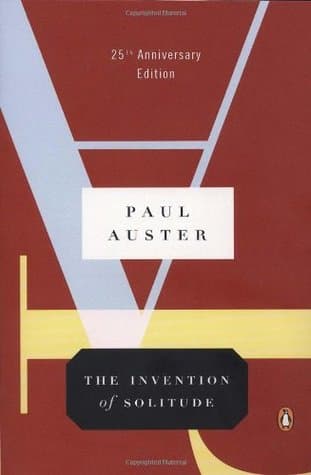
by Paul Auster
3.8(11,570)
After his emotionally distant father's sudden death uncovers a sixty-year-old murder mystery, Paul Auster confronts inherited silences and the challenge of defining himself as a father and a writer.
by Richard Dawkins
4.0(11,518)
Richard Dawkins argues that scientific understanding enhances, rather than diminishes, the beauty and wonder of the universe, transforming Keats's 'unweaving the rainbow' into a celebration of discovery.

by Jean Baudrillard
4.0(11,338)
This book explores how copies now come before the original, and reality feels like a simulated echo, changing what we think about authenticity in a media-filled world.

by Carl von Clausewitz
4.0(11,326)
Clausewitz's "On War" explores conflict not just as violence, but as a political tool, redefining how we understand its strategy and philosophy.
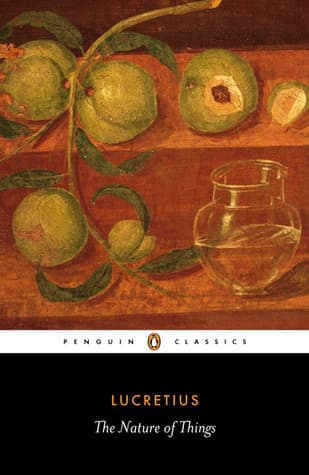
by Lucretius
4.0(11,307)
Lucretius, through his powerful verse, explains the atomic dance of the cosmos, urging people to let go of divine fear and find peace in the physical workings of existence.

by Eugen Herrigel
4.0(11,296)
A Western philosophy professor spends six years learning Japanese archery, finding that true mastery is not about hitting the target, but about spiritual surrender to achieve Zen.
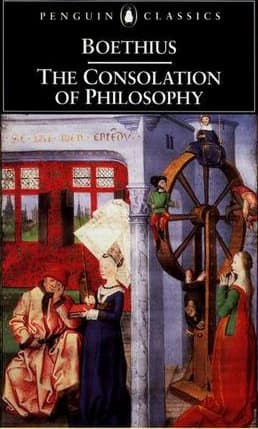
by Boethius
4.0(11,286)
From a prison cell, facing execution, Boethius talks with Lady Philosophy, who, through prose and verse, reveals the nature of happiness, fortune, and divine will, changing his despair into understanding.
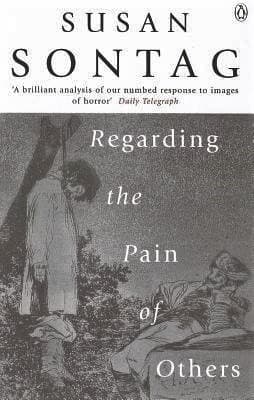
by Susan Sontag
4.0(11,275)
Sontag's 'Regarding the Pain of Others' examines how constant media images of global suffering affect our empathy, desensitize us, and change our view of war.
by Hermann Hesse
3.7(11,203)
A choirmaster's journey with a secret society across time and space reveals his own part in the quest's failure, not external salvation.
by John Rawls
3.9(11,109)
Rawls's 'A Theory of Justice' is a philosophical work that defines justice as fairness, offering an alternative to utilitarianism and supporting individual rights in a democratic society.

by David Hume
3.9(11,069)
Hume's 'Treatise' examines human understanding, showing how our minds create reality, from the idea of cause and effect to the nature of morality, all through observation.
by Albert Camus
3.8(11,035)
In Algiers, a young man named Mersault murders for money, then searches for a life of deliberate happiness and a death free of anger or regret.
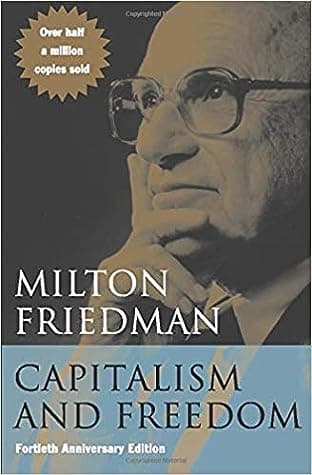
by Milton Friedman
3.9(10,739)
Milton Friedman argues that competitive capitalism is essential for economic prosperity and individual liberty, stating that a free market is the only way to get government benefits without facing its threats.

by William James
4.0(10,617)
William James, a psychologist, examines individual experiences of faith, showing a range of human spirituality that needs tolerance and respect.

by Aldous Huxley
3.9(10,596)
Aldous Huxley's novel dissects the intellectual elite of the 1920s, showing the comedy and tragedy that comes from their ideals clashing with their messy lives.

by Charles Baudelaire
4.3(10,578)
In 19th-century Paris, Baudelaire examines the city's intoxicating squalor and fleeting beauty, creating a new prose poetry that reflects a restless era.

by Robert Greene
4.3(10,566)
Learn from military history's greatest minds with 33 strategies for success in any competition, from the boardroom to personal life.

by Anton Szandor LaVey
3.4(10,481)
LaVey's guide challenges Judeo-Christian beliefs, encouraging carnal indulgence, self-empowerment, and rational individualism.
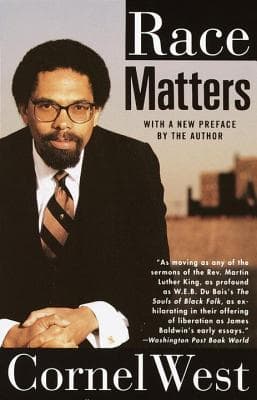
by Cornel West
4.1(10,402)
Cornel West examines the lasting struggles of Black America, from the Rodney King riots to the Clarence Thomas hearings, calling for justice and cultural affirmation in a nation dealing with its racial identity.
by Erich Fromm
4.3(10,336)
Erich Fromm explains how the burden of modern freedom can make people surrender their independence to authoritarianism.