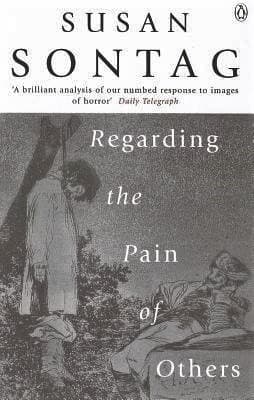
The Anesthetic of Abundance
Repeated exposure to images of suffering can desensitize us, eroding our capacity for genuine empathy.
Quote
To suffer is one thing, another thing to confront the suffering of others.
Sontag questions the simple idea that seeing terrible images automatically creates empathy or political action. She argues that the large number of atrocity images in modern media can lead to emotional exhaustion or 'anesthetic.' This desensitization doesn't mean we become uncaring, but that the images lose their impact and no longer cause a meaningful, lasting response. We see them, feel a brief pang, then move on, with suffering becoming background noise in our media-filled lives. This raises questions about how well visual media tr...
Supporting evidence
Sontag reflects on the shift from the singular impact of images like those from the Nazi death camps in the post-WWII era to the omnipresent, often fleeting, display of suffering from conflicts in Bosnia, Rwanda, or Sierra Leone on television news.
Apply this
Actively resist passive consumption of news. When encountering images of suffering, pause to reflect on the context, the humanity of the subjects, and the systemic issues at play, rather than just scrolling past. Seek out deeper narratives beyond the immediate visual.