
Explore our collection of history books. Discover key insights and summaries from the best titles in this genre.
Showing 24 of 511 books
by Jane Jacobs
4.3(12,581)
Jane Jacobs's work challenges mid-20th-century urban planning, showing how diverse city life, not top-down design, creates safe, healthy neighborhoods.
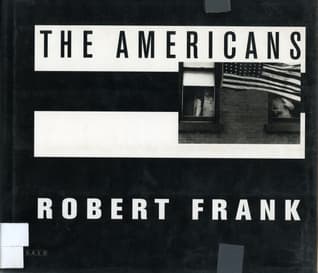
by Robert Frank
4.2(12,416)
Robert Frank's influential photobook, with an introduction by Jack Kerouac, captures the reality of 1950s American life through simple yet revealing images of its people and places.
by Mark Twain
3.9(12,343)
Before Huckleberry Finn, Mark Twain navigated the mighty Mississippi, chronicling its vanished grandeur, humorous eccentricities, and the formative steamboat days that launched a literary legend.

by Apuleius
3.9(12,149)
A curious young man's quest for magic goes awry when he's accidentally turned into a donkey, journeying through Roman society before finding spiritual redemption with the goddess Isis.
by Henry David Thoreau
4.0(12,138)
Thoreau's essay argues that individual conscience must guide citizens to resist unjust laws through nonviolent action.
by Albert Camus
4.2(12,077)
Camus examines humanity's urge to revolt, from its ancient roots to modern history, showing how the desire for freedom often leads to new forms of oppression.
by Edward Gibbon
4.0(11,988)
This chronicles Rome's final centuries, showing how civic virtue declined, barbarians invaded, and Christianity reshaped the empire's fate.
by Stefan Zweig
4.5(11,920)
by Hugh Ambrose
4.1(11,760)
Through the real stories of five ordinary men, "The Pacific" takes readers into the brutal island battles of World War II's Pacific Theater, from the retreat at Bataan to the bloody fields of Okinawa, showing the high price of courage against an unyielding enemy.
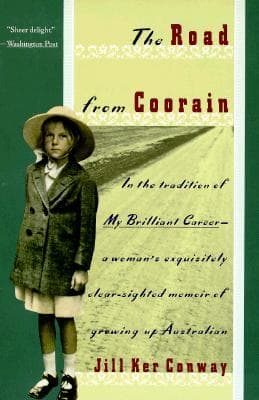
by Jill Ker Conway
4.0(11,517)

by Carl von Clausewitz
4.0(11,326)
Clausewitz's "On War" explores conflict not just as violence, but as a political tool, redefining how we understand its strategy and philosophy.
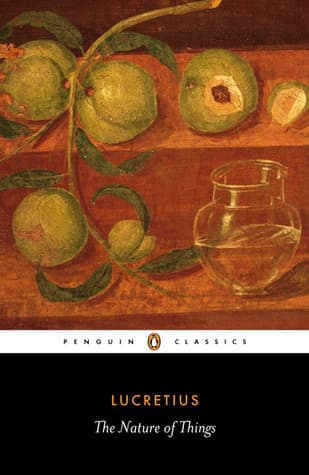
by Lucretius
4.0(11,307)
Lucretius, through his powerful verse, explains the atomic dance of the cosmos, urging people to let go of divine fear and find peace in the physical workings of existence.
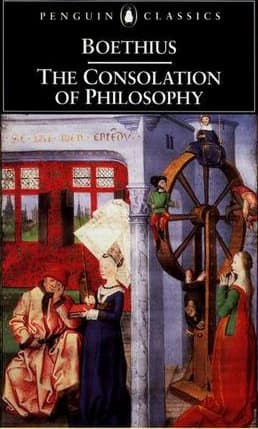
by Boethius
4.0(11,286)
From a prison cell, facing execution, Boethius talks with Lady Philosophy, who, through prose and verse, reveals the nature of happiness, fortune, and divine will, changing his despair into understanding.
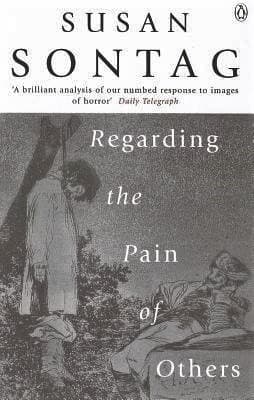
by Susan Sontag
4.0(11,275)
Sontag's 'Regarding the Pain of Others' examines how constant media images of global suffering affect our empathy, desensitize us, and change our view of war.
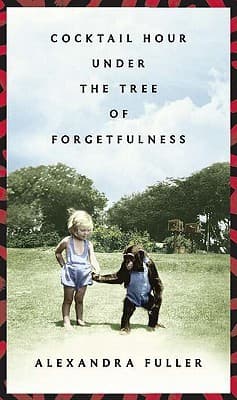
by Alexandra Fuller
3.9(11,265)
Alexandra Fuller expertly blends her mother's idealized colonial African childhood with her father's harsh English youth and her own war-torn upbringing, all while following her mother Nicola's journey through survival, madness, and eventual peace under an African tree.
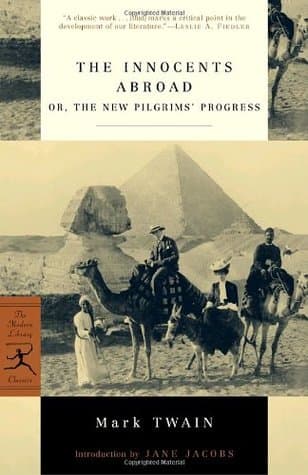
by Mark Twain
3.9(11,257)
Mark Twain's 1867 grand tour on the Quaker City is a hilarious trip where he uses his sharp wit to mock European airs and American innocence, turning a religious journey into a funny cultural clash.
by Ken Follett
4.0(11,233)
In a terrifying hostage crisis, an unconventional billionaire risks everything, defying governments and borders to rescue his stranded countrymen.
by Primo Levi
4.2(11,085)
Primo Levi uses chemistry to explore pre-Holocaust life, the realities of war, and the human spirit, turning personal memory into a stand against tyranny.
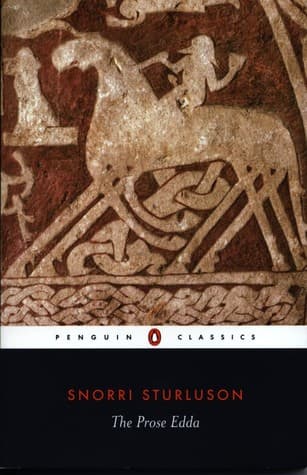
by Snorri Sturluson
4.2(11,037)
Explore the ancient Norse cosmos, from its mythical creation and the struggles of gods, giants, dwarves, and elves, to the predicted twilight of Ragnarok, all preserved in Snorri Sturluson's saga.
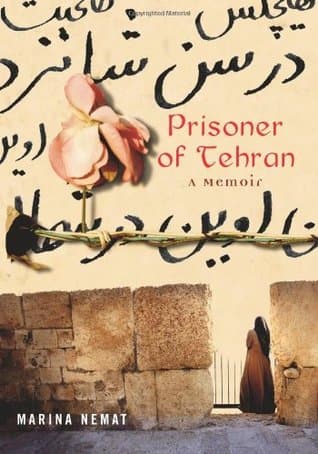
by Marina Nemat
4.2(11,019)
After Iran's 1979 revolution, a sixteen-year-old girl's protest against classroom Koran studies leads to her arrest and a brutal journey through Evin Prison's torture chambers, ending in a death sentence that tests her will to survive and her desire for freedom.
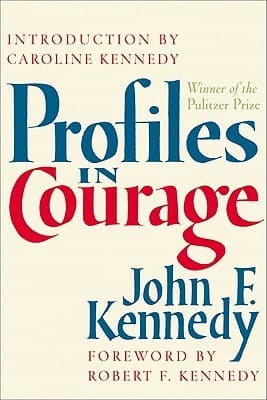
by John F. Kennedy
3.9(11,009)
John F. Kennedy's book examines eight American politicians who risked their careers by acting on their beliefs, showing the importance of courage when facing opposition.
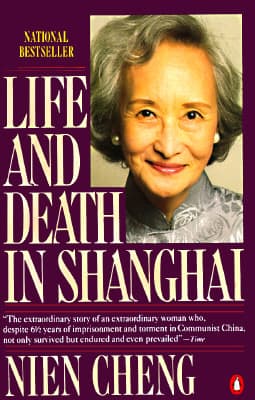
by Nien Cheng
4.3(10,821)
Imprisoned for over six years during China's Cultural Revolution, Nien Cheng's memoir recounts her solitary confinement, resistance, and quest for justice amid national chaos and ideological fanaticism.
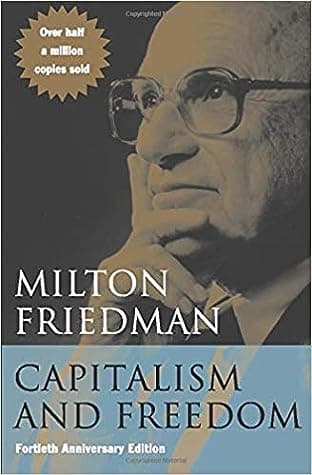
by Milton Friedman
3.9(10,739)
Milton Friedman argues that competitive capitalism is essential for economic prosperity and individual liberty, stating that a free market is the only way to get government benefits without facing its threats.

by David Halberstam
4.2(10,623)
Halberstam examines the world of professional basketball, showing the connection between talent, travel, and the unseen pressures that shape legends.