The Peril of Prosperity
Comfort and luxury erode the civic virtue essential for an empire's survival.
Quote
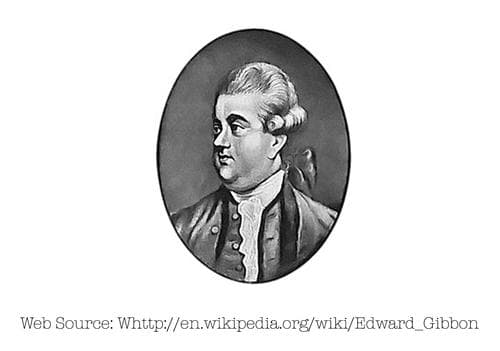
The long peace, and the uniform government of the Romans, introduced a slow and secret poison into the vitals of the empire.
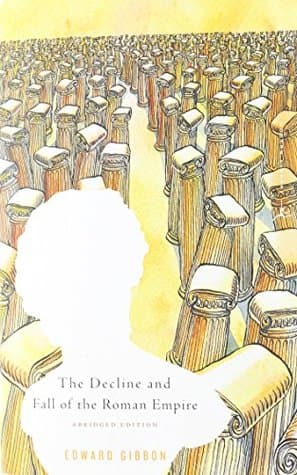
Gibbon shows that Rome's greatest successes — long periods of peace and wealth under stable rule — unintentionally caused its downfall. As the empire became rich and secure, its citizens, especially the elite, grew used to luxury. This led to a decline in 'civic virtue' — the readiness to prioritize public duty, military service, and the common good over personal comfort. The tough demands of running a vast empire, both militarily and administratively, became less appealing to a population that had grown soft. This internal decay, he ...
Supporting evidence
Gibbon frequently contrasts the hardy, disciplined early Romans with their later, more effeminate descendants, pointing to the increasing reliance on foreign mercenaries and the decline in martial spirit among native Romans as a direct consequence of their luxurious lifestyles.
Apply this
Modern societies should be wary of the potential for prolonged peace and prosperity to breed complacency and erode the communal spirit. Cultivating a sense of shared responsibility, promoting public service, and encouraging resilience are crucial for long-term societal health, even in times of abundance.