
Explore our collection of economics books. Discover key insights and summaries from the best titles in this genre.
Showing 24 of 84 books
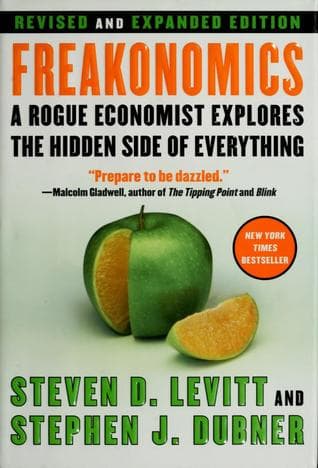
by Steven D. Levitt
4.0(708,708)
This book uses economic principles to reveal the surprising incentives behind everything from drug dealing and real estate to cheating teachers and the decline of crime.
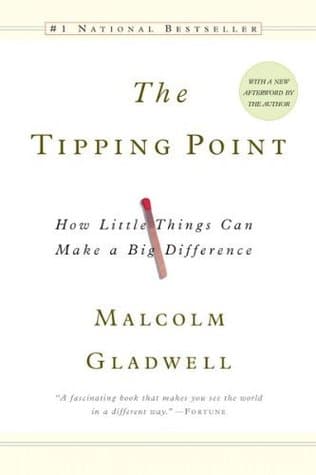
by Malcolm Gladwell
4.0(689,776)
Malcolm Gladwell explains how small, targeted actions can start widespread changes in trends, behaviors, and ideas.
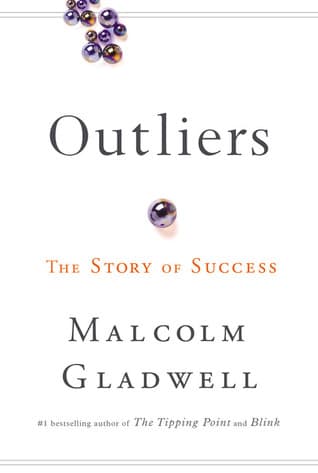
by Malcolm Gladwell
4.2(556,065)
Malcolm Gladwell argues that true success is not just about individual talent, but about the hidden advantages of culture, opportunity, and unique experiences that shape extraordinary lives.
by Robert T. Kiyosaki
4.1(369,427)
Robert Kiyosaki explains that financial literacy, owning assets instead of liabilities, and making money work for you are the real ways to build wealth, lessons he learned from his biological 'poor dad' and his best friend's entrepreneurial 'rich dad.'
by Ayn Rand
3.7(353,814)
In a world collapsing under collectivism, a railroad executive and a mysterious genius lead a strike of the nation's best minds, forcing humanity to confront who truly holds up the world.
by Daniel Kahneman
4.2(309,325)
Explore how your mind's fast intuition clashes with slow logic, revealing the hidden biases that shape every decision, from investing to vacation planning.
by Jared Diamond
4.0(300,684)
Jared Diamond's Pulitzer-winning 'Guns, Germs, and Steel' explains how geography, plants, and animals, not race, shaped the destinies of civilizations, determining who developed steel, who got sick, and who conquered.
by Eric Ries
4.1(235,463)
Learn how to manage startups through rapid experimentation, validated learning, and constant adjustment, building sustainable businesses instead of untested plans.
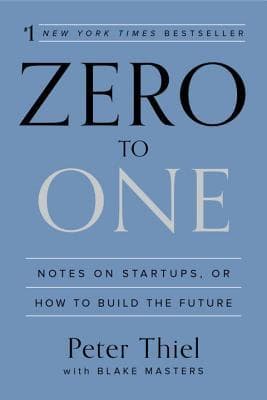
by Peter Thiel
4.2(189,098)
To build the future, Peter Thiel argues, you must embrace the idea that true innovation lies not in small improvements, but in creating something entirely new that avoids competition.

by Barbara Ehrenreich
3.6(177,502)
Barbara Ehrenreich's undercover expose on minimum-wage work reveals that even two jobs are not enough to escape poverty.
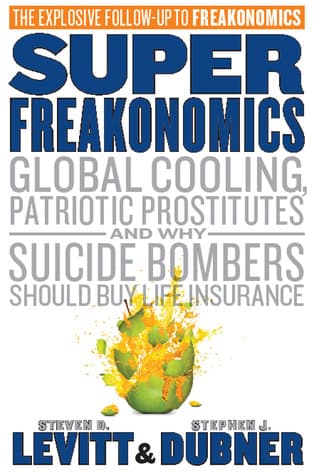
by Steven D. Levitt
4.0(121,251)
Levitt and Dubner explore the hidden incentives behind everything from prostitution and terrorism to global warming and chemotherapy, revealing the surprising logic that governs our world.
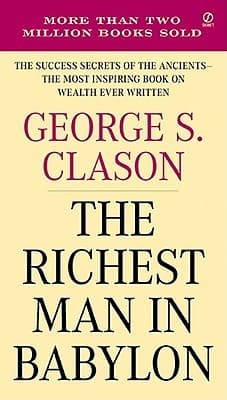
by George S. Clason
4.3(110,473)
Learn ancient Babylonian parables that explain how to create and keep wealth, moving from small earnings to lasting financial security.

by Karl Marx
3.6(108,580)
History is a story of class struggle. 'The Communist Manifesto' calls on the working class to unite, overthrow capitalism, and create an equal world.
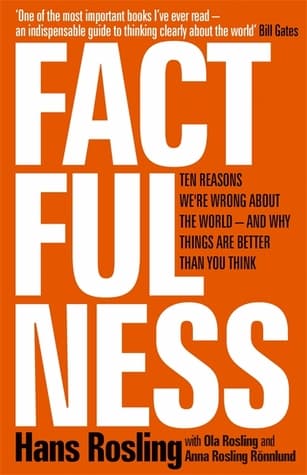
by Hans Rosling
4.4(103,161)
Hans Rosling shows how ten common human instincts distort our view of global progress, urging us to use data for a clearer, less anxious understanding of the world.
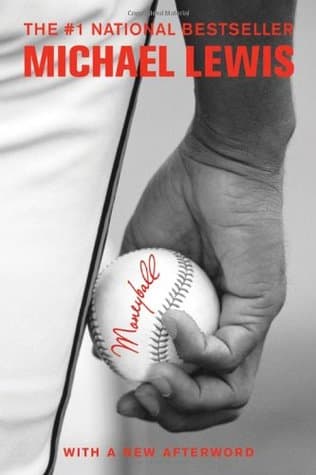
by Michael Lewis
4.3(100,662)
Challenging baseball's traditions, Oakland A's general manager Billy Beane uses data and undervalued players to build a winning team on a small budget.

by Dan Ariely
4.1(100,537)
MIT behavioral economist Dan Ariely reveals the systematic yet hidden forces of irrationality that consistently shape our everyday decisions, from minor purchases to major life choices.
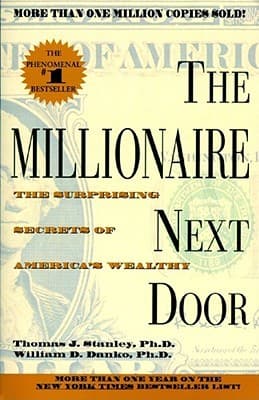
by Thomas J. Stanley
4.0(76,304)
America's wealthiest individuals often live unassuming lives, prioritizing frugality and smart investing over lavish displays of wealth.

by Robin Wall Kimmerer
4.3(63,020)
Robin Wall Kimmerer uses the serviceberry and Indigenous knowledge to show how an economy based on gratitude and reciprocity makes everyone better off, not just those who hoard.
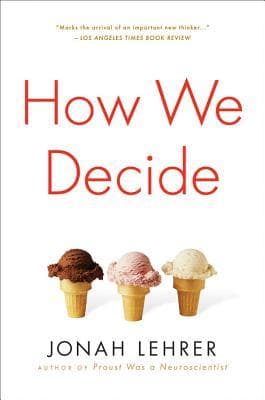
by Jonah Lehrer
3.8(38,829)
Neuroscience shows that our best decisions come from a complex mix of emotion and reason, offering practical ways to use this understanding in everything from choosing a home to investing.
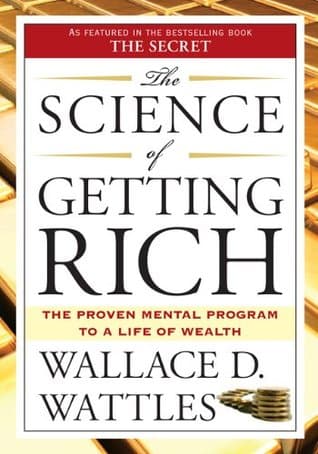
by Wallace D. Wattles
4.2(31,526)
Understand the universe's 'thinking substance' and create wealth through focused thought and action, improving your life and those around you.
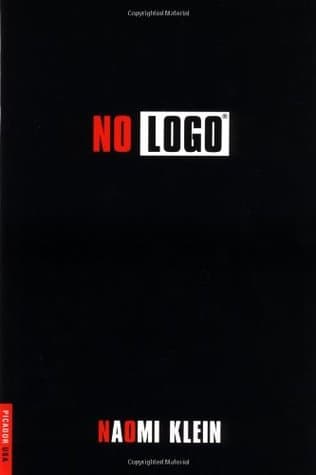
by Naomi Klein
3.9(27,276)
Naomi Klein exposes how global brands exploit culture and labor, sparking a new generation of activists to reclaim public space and meaning from corporate dominance.
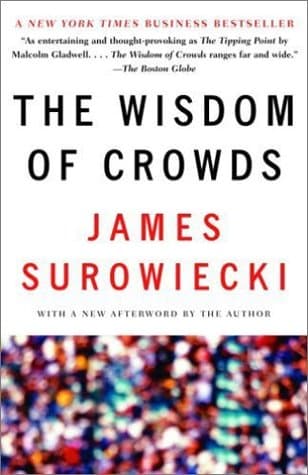
by James Surowiecki
3.8(22,249)
Many people, not just a few, are key to solving problems, gaining knowledge, and making accurate predictions in all areas of life and leadership.

by John Stuart Mill
3.7(19,395)
John Stuart Mill's book on utilitarianism, with his parliamentary defense of capital punishment, applies the 'greatest good for the greatest number' idea to difficult societal problems.

by Friedrich A. Hayek
4.2(18,721)
Hayek's 1944 book warns that government economic control, even with good intentions, leads to totalitarianism, like Nazi Germany and Fascist Italy.