The Brand vs. The Product
Corporations shifted focus from manufacturing goods to crafting aspirational identities.
Quote
The products were an after-the-fact extension of the brand's core message.
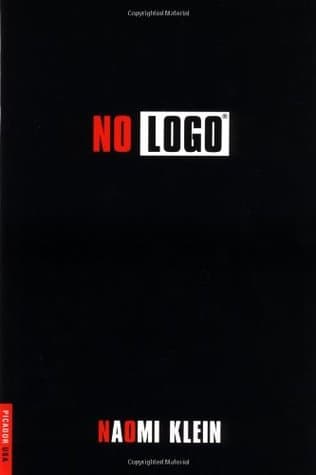
Klein argues that in the late 20th century, corporate strategy changed: the brand became more important than the product. Companies like Nike or Starbucks stopped seeing themselves as primarily shoe manufacturers or coffee sellers. Instead, they became sellers of lifestyle, values, and experiences. This meant heavy investment in marketing, advertising, and cultural sponsorships, making products mere containers for a larger, less tangible brand message. The goal was to create an emotional connection and a sense of belonging, making con...
Supporting evidence
Nike, for example, famously outsourced almost all its manufacturing, focusing its resources on marketing, design, and sponsorship deals with athletes, effectively selling an idea of 'athletic excellence' rather than just footwear.
Apply this
As a consumer, critically evaluate whether you are buying a product for its utility and quality, or for the aspirational lifestyle and identity it promises. Recognize the psychological hooks brands employ to create emotional loyalty beyond the physical good.