“The world is a terrible place, and we are all terrible people.”
— A character reflects on human nature and society's flaws.

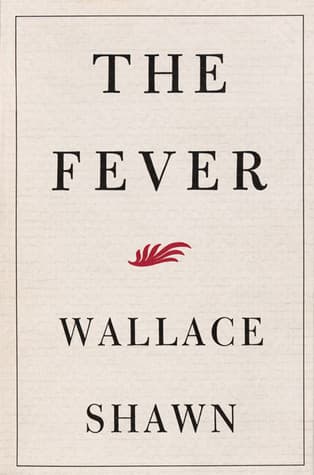
Wallace Shawn (1991)
Genre
Politics / Philosophy
Reading Time
90 min
Key Themes
See below
Sign in to track this book
A traveler in a poor land realizes their comfort depends on the suffering they see, which makes them rethink ethical living.
“The world is a terrible place, and we are all terrible people.”
— A character reflects on human nature and society's flaws.
“I think that the only thing that matters is power. And I think that the only thing that power is, is the ability to make other people do what you want.”
— A discussion on political dynamics and control.
“We are all living in a kind of fever, a delirium of our own making.”
— Metaphor for societal and personal confusion.
“The rich have always been afraid of the poor, and the poor have always been afraid of the rich.”
— Commentary on class tensions and fear.
“There is no such thing as a good person. There are only people who are less bad than others.”
— A cynical view on morality and ethics.
“We pretend to care about justice, but what we really care about is our own comfort.”
— Critique of hypocrisy in social justice efforts.
“The truth is that we are all animals, and we will do whatever it takes to survive.”
— Reflection on primal instincts and survival.
“Politics is just the art of convincing people that your interests are their interests.”
— Analysis of political manipulation and rhetoric.
“We are trapped in a system that we created, and now we cannot escape it.”
— Observation on societal structures and entrapment.
“The only thing that separates us from the beasts is our ability to lie to ourselves.”
— Comment on self-deception and human uniqueness.
“In the end, we are all alone with our own thoughts, and that is the most terrifying thing of all.”
— Meditation on isolation and existential fear.
“The powerful will always find a way to justify their power, and the powerless will always find a way to resist it.”
— Discussion on power dynamics and resistance.
“We live in a world of illusions, and we are the ones who create them.”
— Reflection on perception and reality.
“The fever of our times is the belief that we can have everything without paying any price.”
— Critique of modern entitlement and consequences.
Ready to see how well you understood this book? Take our interactive quiz with 10 questions.

Biography coming soon.

Brett Casper
5.0
Dirk Uffelmann
4.7
Winston S. Churchill
4.5

Chimamanda Ngozi Adichie
4.5
Will Durant
4.4
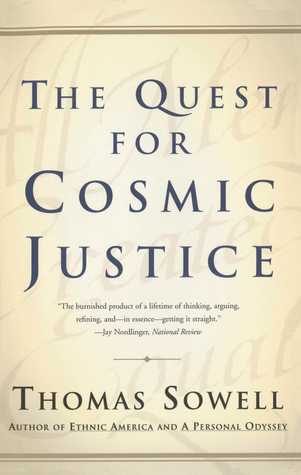
Thomas Sowell
4.4
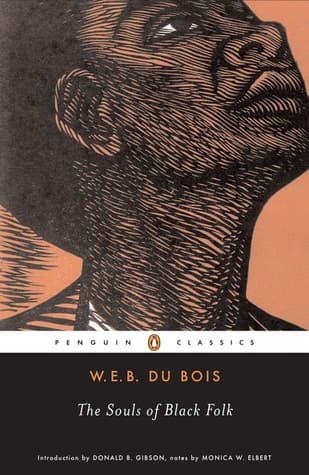
W.E.B. Du Bois
4.3

Alan Moore
4.3