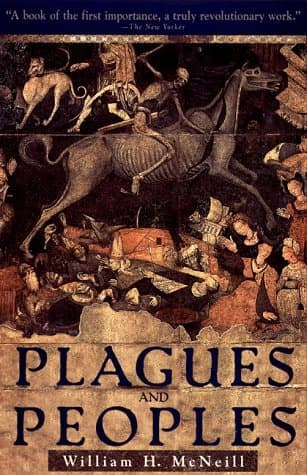
Microparasitism as a Historical Engine
Diseases, not just human actions, are primary drivers of societal change.
Quote
The long-term impact of epidemic disease on patterns of human history has been systematically underestimated.
McNeill argues that infectious diseases are not just minor historical details but fundamental shapers of human societies. They have greatly influenced population numbers, economies, political systems, and cultural beliefs. This view challenges human-centered history by suggesting that non-human biological agents often have more power in shaping events than human decisions alone. It is a humbling but important idea, making us look at history through an ecological lens. Humans are just one species in a complex web of life, always dealin...
Supporting evidence
The devastation of indigenous populations in the Americas by Old World diseases like smallpox, measles, and influenza, which decimated up to 90% of some populations, enabling European conquest more effectively than military might.
Apply this
When analyzing historical events or contemporary crises, actively consider the role of disease and environmental factors, not just human agency. This encourages a more holistic and less human-centric understanding of cause and effect.