BookBrief
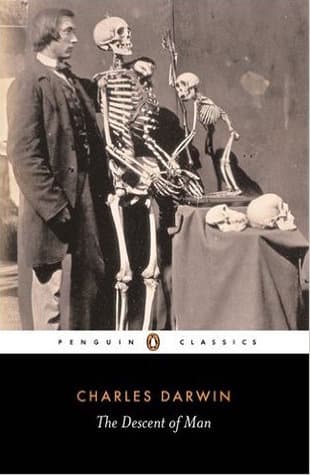
The Descent of Man cover
Archivist's Choice

The Descent of Man

Charles Darwin (1871)

Genre

History / Science / Philosophy

Reading Time

25-30 hours

Key Themes

See below

Track Your Reading

Sign in to track this book

Darwin places humanity, with all its racial diversity and controversial origins, firmly within the animal kingdom, changing our understanding of what it means to be human.

Core Idea

In "The Descent of Man," Charles Darwin extends his theory of evolution by natural selection to humanity, arguing that humans, like all other species, have evolved from earlier, less developed forms. He presents evidence for human descent from an ape-like ancestor, including anatomical similarities, embryological development, and rudimentary organs. A central idea is the role of sexual selection in shaping human physical and behavioral traits, from skin color and hair distribution to aesthetic preferences and intellectual capacities. Darwin also explores the evolution of moral faculties and social instincts, suggesting they arose through group selection and the benefits of cooperation, providing a natural explanation for altruism and ethical behavior. He proposes a gradual development of mental faculties across the animal kingdom, bridging the gap between human and animal intelligence. Darwin addresses human races, seeing them as varieties of a single species rather than distinct species. He discusses how civilization and culture might influence human evolution. He notes the universality of emotional expression across different cultures and its evolutionary origins, and the interaction between habit, inheritance, and selection in shaping human characteristics. Ultimately, Darwin presents a comprehensive, continuous view of life, placing humanity firmly within the natural order and subject to the same evolutionary forces that govern all other organisms, challenging views of creation that put humans at the center.
Reading time
25-30 hours
Difficulty
Hard
✓ Read this if...
You are interested in the foundational arguments for human evolution, the role of sexual selection in shaping human traits, or the historical development of evolutionary thought regarding morality and human diversity.
✗ Skip this if...
You are looking for a modern, updated scientific account of human evolution (as much of the specific evidence has been refined or superseded) or prefer a quick, accessible overview of Darwin's general theories.

Core idea

The central argument and framework that powers the entire book.

In "The Descent of Man," Charles Darwin extends his theory of evolution by natural selection to humanity, arguing that humans, like all other species, have evolved from earlier, less developed forms. He presents evidence for human descent from an ape-like ancestor, including anatomical similarities, embryological development, and rudimentary organs. A central idea is the role of sexual selection in shaping human physical and behavioral traits, from skin color and hair distribution to aesthetic preferences and intellectual capacities. Darwin also explores the evolution of moral faculties and social instincts, suggesting they arose through group selection and the benefits of cooperation, providing a natural explanation for altruism and ethical behavior. He proposes a gradual development of mental faculties across the animal kingdom, bridging the gap between human and animal intelligence.

Darwin addresses human races, seeing them as varieties of a single species rather than distinct species. He discusses how civilization and culture might influence human evolution. He notes the universality of emotional expression across different cultures and its evolutionary origins, and the interaction between habit, inheritance, and selection in shaping human characteristics. Ultimately, Darwin presents a comprehensive, continuous view of life, placing humanity firmly within the natural order and subject to the same evolutionary forces that govern all other organisms, challenging views of creation that put humans at the center.

At a glance

Reading time

25-30 hours

Difficulty

Hard

Read this if...

You are interested in the foundational arguments for human evolution, the role of sexual selection in shaping human traits, or the historical development of evolutionary thought regarding morality and human diversity.

Skip this if...

You are looking for a modern, updated scientific account of human evolution (as much of the specific evidence has been refined or superseded) or prefer a quick, accessible overview of Darwin's general theories.

Key Takeaways

1

Humans Evolved from Earlier Forms

Darwin definitively places humanity within the evolutionary framework, rejecting special creation.

Quote

Man is descended from a hairy, tailed quadruped, probably arboreal in its habits, and an inhabitant of the Old World.

Darwin's most striking claim in 'The Descent of Man' is the direct use of his theory of evolution by natural selection for Homo sapiens. While 'On the Origin of Species' avoided human origins, 'Descent' addresses it directly, stating that humans are not divinely created but are the product of the same evolutionary forces that shaped all other life. This was a radical change from common religious and philosophical views. It placed humanity within the animal kingdom and suggested a common ancestor with other primates. Darwin builds his ...

Supporting evidence

Darwin details numerous anatomical resemblances between humans and apes, such as the structure of the hand, foot, and skull, as well as shared susceptibilities to diseases like rabies and smallpox, suggesting a common physiological heritage. He also points to vestigial structures like the coccyx (tailbone) and the appendix as remnants of earlier evolutionary stages.

Apply this

To understand humanity's biological roots and interconnectedness with all life. This perspective fosters a deeper appreciation for biodiversity and the evolutionary processes that have shaped all species, including our own. It encourages an evidence-based approach to understanding human biology and behavior.
natural-selectioncommon-descenthuman-evolutionprimates
2

Sexual Selection's Role in Human Traits

Beyond natural selection, mate choice drives the development of many human characteristics, including aesthetic preferences.

Quote

Sexual selection has been mainly instrumental in determining the differences between the races of man.

Darwin introduces and explains sexual selection as an evolutionary force, separate from natural selection, especially in shaping human traits. He argues that the struggle for mates, not just the struggle for existence, has driven many physical and behavioral characteristics. This mechanism works in two ways: through direct competition between individuals of the same sex (usually males) for mates, and through mate choice, where individuals of one sex (often females) choose partners based on specific desirable traits. Darwin suggests th...

Supporting evidence

Darwin observes that traits like the vibrant colors of male birds or the elaborate songs of certain species appear to be primarily for attracting mates rather than for survival. He extends this to humans, suggesting that differences in skin color, hair texture, and even certain aesthetic preferences across human populations could be partially attributed to historical patterns of sexual selection and mate choice.

Apply this

Recognize that human beauty standards, artistic expression, and even some behavioral patterns might have deep evolutionary roots linked to mate attraction and reproductive success. This perspective can help deconstruct societal notions of attractiveness and understand their potential origins.

sexual-selectionmate-choicereproductive-successhuman-variation
3

The Evolution of Morality and Social Instincts

Human ethics and altruism are not divine gifts but evolved from social instincts for group cohesion.

Quote

Any animal whatever, endowed with well-marked social instincts, the parental and filial affections being prominent, would inevitably acquire a moral sense or conscience, as soon as its intellectual powers had become as well developed, or nearly as well developed, as in man.

One of Darwin's most important ideas in 'Descent' is his argument for the evolutionary origin of morality. He states that the 'moral sense' is not unique to humans or from a divine source, but instead comes from highly developed social instincts common in many animal species. These instincts, such as sympathy, loyalty, and the desire for social approval, would have helped groups survive and reproduce. Individuals who acted unselfishly towards their relatives or community would help the group's overall fitness, even if it sometimes mea...

Supporting evidence

Darwin draws parallels with social animals like ants, bees, and primates, where individuals exhibit cooperative behaviors, alarm calls, and even self-sacrifice for the group. He argues that early humans, living in tribes, would have benefited immensely from individuals who possessed strong social instincts, leading to the selection and enhancement of these traits over time.

Apply this

Understand that our innate sense of right and wrong, empathy, and desire for justice have a biological basis, rooted in our evolutionary history as social creatures. This can foster greater understanding and tolerance, recognizing the universal human need for connection and cooperation.

moral-sensesocial-instinctsaltruismgroup-selection
4

Mental Faculties Evolved Gradually

Human intelligence, language, and reason are not distinct but developed incrementally from animal cognition.

Quote

The difference in mind between man and the higher animals, great as it is, is certainly one of degree and not of kind.

Darwin challenges the idea that human mental faculties are fundamentally unique or different from those of other animals. Instead, he argues for a gradual evolution of intelligence, reason, language, and even aesthetic appreciation. He presents evidence of animal intelligence, problem-solving, emotional expression, and basic communication, suggesting that the 'gap' between human and animal minds is not impossible to bridge but rather a continuous spectrum. This means our complex cognitive abilities are not a sudden gift but the produc...

Supporting evidence

Darwin cites numerous examples of animal behavior demonstrating intelligence, memory, attention, curiosity, imitation, and even rudimentary reasoning in dogs, monkeys, and other species. He also discusses the development of language in children, paralleling it with the gradual evolution of communication systems in early humans from simple cries and gestures.

Apply this

Appreciate the deep evolutionary roots of human intelligence and recognize the cognitive capacities of other species. This perspective encourages respectful interaction with animals and informs research into animal cognition, language acquisition, and the nature of consciousness.

animal-cognitionlanguage-evolutionhuman-intelligencemind-evolution
5

Human Races as Varieties, Not Species

Darwin argues that human 'races' are merely varieties of a single species, unified by common descent.

Quote

When we reflect that man has been called a microcosm, and that the world has been called a macrocosm, we may feel some doubt whether the races of man are not rather distinct species than varieties.

A key part of 'The Descent of Man' is Darwin's statement that all human 'races' belong to a single species, Homo sapiens. While he recognized the observable physical differences between human populations, he saw these as varieties, like breeds within a species, rather than distinct species. This went against common polygenist theories that suggested multiple origins for different races, often used to justify racial hierarchies and slavery. Darwin's monogenist view, that all humans share a common ancestor, showed the basic unity of hum...

Supporting evidence

Darwin points to the complete interfertility of all human 'races' as primary evidence that they constitute a single species. He contrasts this with true species, which generally cannot produce fertile offspring. He also notes the gradual transitions between racial characteristics across geographical regions, rather than sharp, distinct boundaries.

Apply this

Embrace the scientific understanding of human unity and reject notions of inherent racial superiority or distinctness. This perspective promotes anti-racism and celebrates the diversity within the single human species, fostering global solidarity and mutual respect.

human-racesmonogenismhuman-diversityanti-racism
6

The Influence of Civilization on Selection

Societal advancements alter natural selection's pressures, potentially leading to unintended consequences.

Quote

We civilized men, on the other hand, do our utmost to check the process of elimination; we build asylums for the imbecile, the maimed, and the sick; we institute poor-laws; and our medical men exert their utmost skill to save the life of every one to the last moment.

Darwin explores how human civilization and societal practices change the pressures of natural selection. He observes that in nature, individuals with significant physical or mental problems would likely die, preventing the passing on of less helpful traits. However, in civilized societies, compassion, medicine, and social welfare systems ensure the survival and reproduction of individuals who might otherwise not make it. While he praised the moral progress this represents, Darwin also asks about its long-term biological effects for th...

Supporting evidence

Darwin notes the care provided to the sick, weak, and disabled within human societies, contrasting it with the harsh realities of natural selection in the wild. He also discusses how vaccinations, sanitation, and advanced medical care allow many to survive and reproduce who would not have in earlier times.

Apply this

Critically analyze the complex relationship between technological and societal progress and its potential impact on human biological evolution. This encourages thoughtful consideration of public health policies, medical ethics, and the long-term consequences of our interventions in natural processes, without resorting to eugenic ideologies.

civilizationsocial-welfarenatural-selection-pressureseugenics-context
7

The Universality of Emotional Expression

Shared emotional expressions across cultures and species hint at a common evolutionary heritage.

Quote

The free expression by outward signs of an emotion intensifies it. On the other hand, the repression, as far as this is possible, of all outward signs softens our emotions.

Though more fully explained in his later work, 'The Expression of the Emotions in Man and Animals,' Darwin introduces in 'Descent' the idea that emotional expression is universal. He argues that many human emotional displays — such as smiling, frowning, or expressions of fear and anger — are not learned culturally but are inborn, inherited behaviors. He also notes similarities in emotional expressions between humans and other animals, especially primates. This suggests that emotions and their outward signs have deep evolutionary roots...

Supporting evidence

Darwin describes similar expressions of anger (e.g., baring teeth), fear (e.g., wide eyes, raised brows), and joy (e.g., laughter-like sounds) in humans and various mammals. He also notes that blind children, who cannot learn by imitation, still exhibit typical human emotional expressions, suggesting an innate basis.

Apply this

Develop a deeper empathy for other cultures and species by recognizing the shared, fundamental nature of emotional experience and expression. This understanding can improve cross-cultural communication and foster a greater appreciation for animal welfare.

emotional-expressionuniversality-of-emotioncomparative-psychologyinnate-behavior
8

The Role of Habit and Inheritance

Acquired habits, when practiced over generations, can become inherited traits, influencing human development.

Quote

The effects of the increased use and disuse of parts are generally inherited.

Darwin, while known for natural selection, also recognized Lamarckian inheritance—the idea that characteristics acquired during an organism's lifetime could be passed on to offspring. In 'The Descent of Man,' he applies this concept to human evolution, suggesting that habits and behaviors practiced consistently over many generations could become ingrained and eventually inherited as innate tendencies or physical changes. For example, he discusses how the regular use of certain muscles or the development of particular skills through pr...

Supporting evidence

Darwin refers to examples like the large jaws and strong teeth of 'savage' races, suggesting that their constant use in preparing food might have led to their inheritance. He also mentions the inherited dexterity of musicians or artists, though he acknowledges these are more speculative examples.

Apply this

Consider how sustained cultural practices and environmental interactions might have subtly influenced human biological and behavioral traits over deep evolutionary time. While direct Lamarckian inheritance is disproven, this concept still encourages thinking about the long-term interplay between environment, behavior, and gene expression (e.g., epigenetics).

lamarckian-inheritanceacquired-traitshabit-formationheredity
9

The Continuous Nature of Life

Humanity is not a pinnacle but a part of an unbroken chain of life, continuously adapting and evolving.

Quote

The great principle of evolution has been established, and the truth of its application to man is no longer doubted by those who are competent to form a judgment.

A main insight in all of Darwin's arguments in 'The Descent of Man' is the continuous nature of life. He removes the idea of humanity as a uniquely created, fixed entity, separate from the rest of the natural world. Instead, he presents humanity as a product of the same ongoing evolutionary processes that have shaped all other species. This perspective shows that life is dynamic and ever-changing, with all organisms, past and present, linked by common ancestry. The differences between species, no matter how large, are the result of va...

Supporting evidence

The entire book serves as evidence, meticulously detailing shared anatomical structures, embryological development, and behavioral patterns across species, culminating in the argument for common descent. He consistently highlights 'intermediate forms' and 'gradual transitions' to illustrate this continuity.

Apply this

Foster a holistic view of life on Earth, recognizing humanity's deep connection to all other living things. This promotes environmental stewardship, conservation efforts, and a sense of humility regarding our place in the biosphere, moving beyond anthropocentric biases.

continuity-of-lifecommon-ancestryevolutionary-continuumanthropocentrism

Critical analysis

Notable Quotes

Man still bears in his bodily frame the indelible stamp of his lowly origin.

Concluding remarks of the book, summarizing the core argument.

The difference in mind between man and the higher animals, great as it is, certainly is one of degree and not of kind.

Discussing the mental faculties of humans and animals, arguing for continuity.

We must not forget that the continuance of the most vigorous individuals, and the consequent propagation of the best-fitted individuals, will be the most favourable to the ultimate well-being of the species.

Discussing natural selection and its role in human evolution and societal progress.

The moral sense perhaps affords the best and highest distinction between man and the lower animals.

Introducing the discussion on the development of morality in humans.

No one, I presume, doubts that the various races of man are descended from a single primitive stock.

Arguing for the monogenist view of human origins, despite racial variations.

The sexual struggle is of two kinds: in the one it is between individuals of the same sex, generally the males, in order to drive away or kill their rivals, the females remaining passive; whilst in the other, the struggle is for the excitement or charm of the females, and in this latter case the contest is generally between the females, in order to excite or charm the males.

Explaining the two main forms of sexual selection.

It is not the strongest of the species that survives, nor the most intelligent that survives. It is the one that is most adaptable to change.

Often attributed to Darwin, this quote, while not directly from 'The Descent of Man' in these exact words, captures the essence of his ideas on adaptation and survival.

A man who has no sense of the beautiful in natural scenery, in poetry, or in music, is a man who is deficient in his highest faculties.

Discussing the development of aesthetic tastes and their importance to human faculties.

There can be no doubt that the love of man for woman, and of woman for man, is a feeling which has been developed through natural selection.

Discussing the evolutionary basis of romantic love and attraction.

The moral faculties are developed by the struggle for existence, and by the social instincts.

Explaining the evolutionary development of human morality.

As man advances in civilisation, and small tribes are united into larger communities, the simplest reason would tell each individual that he ought to extend his social instincts and sympathies to all the members of the same nation, though he may know them personally.

Discussing the expansion of human sympathy and social instincts with societal development.

With savages, the weak in body or mind are soon eliminated; and those that survive commonly exhibit a vigorous state of health. We civilised men, on the other hand, do our utmost to check the process of elimination.

Contrasting the harsh realities of natural selection in 'savage' societies with humanitarian efforts in 'civilized' ones.

The great principle of sexual selection has been shown to be efficient in giving new characters to the males of many species.

Summarizing the significance of sexual selection in shaping male characteristics.

It is remarkable how easily and insensibly we are all led to assume that the several races of man were aboriginally as distinct as they are now.

Challenging the common assumption of inherent and ancient racial distinctions.

Quiz

Test Your Knowledge

Ready to see how well you understood this book? Take our interactive quiz with 10 questions.

10
Questions
~5
Minutes
?
Best Score

Key Questions (FAQ)

The Descent of Man is Charles Darwin's groundbreaking work where he applies his theory of evolution, first introduced in On the Origin of Species, to human beings. It explores the origins of the human species, our relationship to other primates, and the development of human characteristics through natural and sexual selection.

About the author

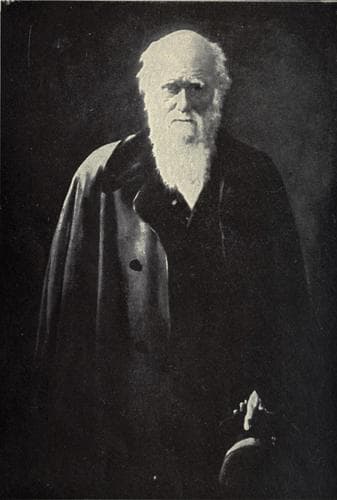
Charles Darwin

Charles Darwin was a renowned English naturalist and geologist, best known for his groundbreaking work 'On the Origin of Species.' His extensive research and observations during the voyage of the HMS Beagle led to his theory of evolution by natural selection. Darwin's other notable works include 'The Descent of Man' and 'The Expression of the Emotions in Man and Animals,' which profoundly influenced scientific thought.