BookBrief
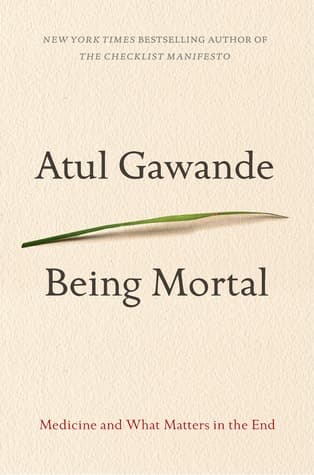
Being Mortal: Medicine and What Matters in the End cover
Archivist's Choice

Being Mortal: Medicine and What Matters in the End

Atul Gawande (2014)

Genre

Psychology / Memoir / Health / Science / Philosophy

Reading Time

280 min

Key Themes

See below

Track Your Reading

Sign in to track this book

A surgeon confronts medicine's greatest triumph and ultimate failure, arguing for a reimagining of care that prioritizes dignity and quality of life over the relentless, often futile, pursuit of longevity at all costs.

Core Idea

Atul Gawande says modern medicine, while achieving much in extending life and curing disease, often fails the elderly and terminally ill by prioritizing longevity and safety above all else. He believes this medical approach to mortality frequently strips individuals of their autonomy, dignity, and the chance to live their remaining days with purpose. Through personal stories, history, and medical case studies, Gawande suggests a new way to think about end-of-life care. He urges medical professionals, patients, and families to talk about what truly matters to individuals as their lives end. The main point is that a 'good' life, even in decline, is defined not just by the absence of illness, but by the presence of things that make life worth living. Medicine should support these values.
Reading time
280 min
Difficulty
Medium
✓ Read this if...
You are a healthcare professional, a caregiver, someone facing end-of-life decisions for yourself or a loved one, or simply wish to understand the human experience of aging and dying in the modern world.
✗ Skip this if...
You are looking for a purely scientific or clinical guide to end-of-life care, or prefer to avoid discussions about mortality and human frailty.

Core idea

The central argument and framework that powers the entire book.

Atul Gawande says modern medicine, while achieving much in extending life and curing disease, often fails the elderly and terminally ill by prioritizing longevity and safety above all else. He believes this medical approach to mortality frequently strips individuals of their autonomy, dignity, and the chance to live their remaining days with purpose. Through personal stories, history, and medical case studies, Gawande suggests a new way to think about end-of-life care. He urges medical professionals, patients, and families to talk about what truly matters to individuals as their lives end. The main point is that a 'good' life, even in decline, is defined not just by the absence of illness, but by the presence of things that make life worth living. Medicine should support these values.

At a glance

Reading time

280 min

Difficulty

Medium

Read this if...

You are a healthcare professional, a caregiver, someone facing end-of-life decisions for yourself or a loved one, or simply wish to understand the human experience of aging and dying in the modern world.

Skip this if...

You are looking for a purely scientific or clinical guide to end-of-life care, or prefer to avoid discussions about mortality and human frailty.

Key Takeaways

1

The Medicalization of Mortality

Modern medicine excels at saving lives but often fails at guiding death.

Quote

Our reluctance to honestly examine the experience of aging and dying has betrayed us. We've built our medical system and much of our culture around the idea of fighting death, not accepting its inevitability.

Gawande says that modern medicine, despite its advancements in fighting disease and extending life, has a blind spot when it comes to aging and death. We have focused so much on 'fixing' every problem and living longer that we have lost how to handle the end of life with dignity. This medical approach often leads to treatments that prioritize survival at all costs, often sacrificing quality of life, choice, and comfort in a patient's final months or years. The system aims for cure, not care for those who cannot be cured, leaving patie...

Supporting evidence

Gawande recounts stories of patients undergoing aggressive chemotherapy or surgeries for terminal conditions, only to endure immense suffering with little to no benefit, often dying in sterile hospital environments far from loved ones.

Apply this

Reflect on personal values regarding end-of-life care. Initiate conversations with family and doctors about what a 'good death' would look like, focusing on quality of life over mere longevity when faced with terminal illness.

medicalization-of-deathend-of-life-carequality-of-life
2

Beyond Safety: Prioritizing Autonomy

Overzealous safety measures in elder care often strip individuals of their independence and joy.

Quote

The problem with our deference to safety is that it can inflict a different kind of harm, by keeping people from living their lives.

Many places designed to care for the elderly, like nursing homes, prioritize safety above all else. This often hurts residents' independence and well-being. This shows up as strict rules: bed rails, restraints, tight schedules, and bans on activities considered 'risky.' While meant to help, these rules can lead to loneliness, sadness, and a deep loss of self-control. Gawande says that a life lived with meaning, even with some risks, is often better than a perfectly safe but joyless one. Good care should balance safety with a person's ...

Supporting evidence

Gawande highlights the story of Alice, an elderly woman in a nursing home whose life was transformed when the facility allowed pets, plants, and children to be present, shifting from a sterile environment to one that fostered connection and purpose.

Apply this

When considering care options for elderly loved ones, inquire about the facility's philosophy on resident autonomy, risk-taking, and personalized activities. Advocate for choices that allow for dignity and self-direction, even if they involve minor risks.

elder-careautonomydignityrisk-vs-safety
3

The Hospice Revelation

Hospice care offers a profound shift from fighting death to embracing life's final chapter.

Quote

The lesson I took away was that when there is no way to triumph, there is still a way to live.

Hospice care is different from typical medical approaches to terminal illness. Instead of focusing on aggressive treatments to prolong life at any cost, hospice prioritizes comfort, pain relief, and emotional and spiritual support for both the patient and their family. Gawande finds that hospice patients often live longer, and certainly better, than those who continue difficult treatments until the very end. This is because hospice lets people regain control, decide what matters most to them, and spend their remaining time doing meani...

Supporting evidence

Gawande shares the story of a patient named Sara Monopoli, who, after a terminal cancer diagnosis, chose hospice care. Despite her initial fear, she found profound peace and quality time with her family, managing her symptoms effectively and living for several months in comfort.

Apply this

If faced with a terminal diagnosis, explore hospice options early. Understand that hospice is not 'giving up' but rather a choice to prioritize quality of life, comfort, and meaningful experiences during the final stage of life.

hospice-carepalliative-carecomfort-caredignified-death
4

The Conversation Gap

Doctors and patients often fail to have crucial conversations about end-of-life wishes.

Quote

Our most cruel failure in how we treat the sick and the aged is the failure to make it possible for them to have a life worth living—and a death worth dying.

A big problem for a dignified end-of-life experience is that both doctors and patients often do not want to talk openly about death and personal priorities. Doctors, trained to save lives, often find it hard to switch focus to comfort and quality of life when a cure is no longer possible. Patients, and their families, often have unrealistic ideas about what medicine can do or avoid facing the inevitable. This 'conversation gap' leads to patients getting unwanted procedures, suffering unnecessarily, and dying in ways that go against th...

Supporting evidence

Gawande recounts his own struggles as a surgeon to initiate these conversations, and how he learned to ask questions like: 'What are your fears for the future?' and 'What are your priorities besides just living longer?'

Apply this

Initiate proactive conversations with your doctor about end-of-life wishes, even when healthy. Document these preferences through advance directives (living wills, healthcare proxies) and share them with loved ones. Encourage doctors to adopt a more holistic approach to patient care, beyond just clinical outcomes.

advance-directivespatient-autonomydoctor-patient-communicationend-of-life-planning
5

Redefining 'Good' Care

Care for the elderly and infirm should prioritize meaning and connection, not just medical intervention.

Quote

The fear is not of being dead, I realized. The fear is of what will happen to me when I am dying.

Gawande criticizes the usual way elder care works, which often reduces people to their medical conditions, taking away their identity and purpose. He suggests a new definition of 'good' care, one that helps people live fulfilling lives, however short, rather than just existing. This means creating places that encourage social connection, allow for personal choices, and provide chances for engagement and meaning. It is about seeing that people need more than just physical safety; they need purpose, dignity, and the ability to shape the...

Supporting evidence

Gawande profiles unconventional facilities like the Green House Project, which creates small, home-like environments for the elderly, emphasizing personal choice, shared meals, and community, leading to higher resident satisfaction and better health outcomes.

Apply this

When evaluating care for yourself or a loved one, look beyond the medical amenities. Inquire about social programs, opportunities for personal expression, access to nature, and the overall philosophy towards resident autonomy and community building.

person-centered-careaging-in-placequality-of-life-elderlycommunity-care
6

The Power of Home and Family

Maintaining connections to home and loved ones is paramount for well-being in decline.

Quote

The battle against decline and death is constant, but the way we choose to fight it, and what we choose to value, shapes the quality of our lives.

For many, the idea of leaving home and familiar surroundings to go to an institution is very upsetting. Gawande emphasizes how important it is psychologically and emotionally to stay connected to one's home, family, and community during illness and decline. Losing control and familiarity when moving to a nursing home can make decline faster and lessen quality of life. The book supports approaches that let people stay in their homes as long as possible, with support from family, friends, and community services. It says that a sense of ...

Supporting evidence

Gawande shares the personal story of his own grandfather, who fiercely resisted moving from his home, and how his family struggled to support him there, ultimately highlighting the deep human need for familiarity and control.

Apply this

Explore options for in-home care, community support programs, and family involvement to help elderly loved ones remain in their homes. Prioritize visits and maintaining family connections, as these contribute significantly to mental and emotional well-being.

aging-in-placefamily-caregivingsocial-supporthome-care
7

The Illusion of Control

Medicine's quest for ultimate control over the body often clashes with the reality of human frailty.

Quote

We've been wrong about what our job is in medicine. We think our job is to ensure health and survival. But really it is larger than that. It is to enable well-being.

Gawande explores how medicine's focus on controlling disease and aging can create the idea that death is a preventable failure rather than an unavoidable part of life. This thinking often leads to aggressive, invasive treatments that promise more time but only bring more suffering, reducing a patient's remaining quality of life. The book asks the medical community to admit its limits and to understand 'well-being' in a broader way, including the mental, social, and spiritual parts of a patient's life, especially when facing terminal i...

Supporting evidence

Gawande cites numerous cases where patients undergo extensive surgeries or intensive care unit stays for conditions where the chances of meaningful recovery are minimal, resulting in prolonged suffering and a death that feels dehumanized.

Apply this

When making medical decisions, especially for serious illnesses, question the true benefits and potential burdens of interventions. Seek perspectives that balance the desire for more time with the desire for a life worth living, even if shorter.

medical-hubrispatient-advocacyquality-of-lifehuman-frailty
8

Finding Purpose in Decline

Even in the face of decline, individuals can find new sources of meaning and purpose.

Quote

The things that make life worth living are not just about being healthy and safe. They are about having purpose, having connection, and having the ability to shape your own story.

A main idea from Gawande is that people's need for purpose and meaning does not lessen with age or illness. While what purpose means may change—from career achievements to mentoring, spiritual growth, or just enjoying small moments—it stays essential for well-being. The challenge for caregivers and medical professionals is to help people find and follow these changing purposes, instead of letting them become passive recipients of care. This often means being creative, flexible, and very aware of the person's unique desires and remaini...

Supporting evidence

Gawande shares the story of Felix, a man with a terminal illness who found renewed purpose in continuing to write and connect with his family, even as his physical health deteriorated.

Apply this

Encourage elderly or ill loved ones to articulate their remaining goals, passions, and interests. Help them find ways to engage with these, whether through modified activities, creative outlets, or simply sharing their wisdom and stories with others.

meaning-in-lifepurpose-in-agingexistential-wellbeinggeriatric-care
9

The Limits of Science

Science can explain how we die, but not what makes life worth living or how to face its end.

Quote

Medicine has been slow to confront the fact that people are more than their bodies.

Gawande, a scientist and surgeon, humbly admits the limits of scientific and medical knowledge when dealing with death. While science can explain the biological processes of aging and disease, it cannot answer the big questions that come up at the end of life: What gives life meaning? How do we face suffering? What is a 'good' death? He says that medicine has often gone too far, trying to use scientific solutions for problems that are fundamentally human and philosophical. This understanding calls for a more combined approach, where m...

Supporting evidence

Gawande reflects on the profound grief and helplessness he felt as a doctor when patients died, realizing that his medical training had not equipped him to deal with the emotional and spiritual dimensions of death.

Apply this

Recognize that medical professionals are experts in disease, but individuals and families are experts in their own lives and values. Seek guidance from diverse sources (spiritual advisors, therapists, trusted family members) when navigating end-of-life decisions, not solely relying on medical advice.

existentialismphilosophy-of-deathholistic-carespiritual-care

Critical analysis

Notable Quotes

Our ultimate goal, after all, is not a good death but a good life to the very end.

Gawande reflects on the purpose of medical care for the aging and terminally ill.

The battle of being mortal is the battle to maintain the integrity of one's life—to make it whole rather than in pieces.

Discussing the struggle to maintain identity and purpose in the face of decline.

We've been wrong about what our job is in medicine. We think our job is to ensure health and survival. But really it is larger than that. It's to enable well-being.

A central thesis of the book, critiquing the narrow focus of modern medicine.

The current system, by and large, is designed to ensure that people can live longer, but not that they can live well.

Criticizing the institutional biases in medical care that prioritize longevity over quality of life.

You may not be able to control the world, but you may learn to control your reaction to it.

A philosophical reflection on resilience and agency in difficult circumstances.

The two things people want most when they are dying are to not suffer and to be with their loved ones.

Summarizing common desires of patients nearing the end of life.

We are not much good at facing the fact of impermanence.

Gawande notes humanity's general aversion to confronting mortality.

Illness and aging are not just medical events; they are existential ones.

Emphasizing the profound personal and philosophical implications of health decline.

Our reluctance to honestly examine the experience of aging and dying has increased the burden of both.

Suggesting that societal avoidance of these topics makes them harder for individuals.

The problem with medicine is that it often takes what is most important to us - our quality of life - and places it secondary to the goal of extending life.

Reiterating the book's core argument about the misplaced priorities in medical practice.

What is the point of a long life if you cannot live it your way?

A rhetorical question highlighting the importance of autonomy and personal values in end-of-life decisions.

The things that make life worth living are not entirely quantifiable.

Arguing against a purely scientific or data-driven approach to end-of-life care.

The fact that we are mortal makes us human.

A fundamental philosophical statement about the nature of humanity.

Medicine has been slow to confront the fact that people are finite.

Gawande points out the medical profession's historical reluctance to acknowledge and plan for human finitude.

Quiz

Test Your Knowledge

Ready to see how well you understood this book? Take our interactive quiz with 10 questions.

10
Questions
~5
Minutes
?
Best Score

Key Questions (FAQ)

'Being Mortal' argues that modern medicine often fails to address the human experience of aging and dying by prioritizing life extension over quality of life. Gawande advocates for a shift in focus towards ensuring dignity, autonomy, and well-being for patients facing serious illness and end-of-life decisions.

About the author

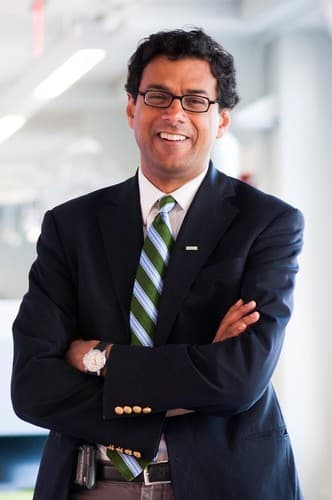
Atul Gawande

Atul Gawande is a practicing surgeon, writer, and public health researcher. He is the author of several acclaimed books, including "Being Mortal: Medicine and What Matters in the End," which explores the challenges of aging and end-of-life care. Gawande's work often blends medical insight with profound reflections on the human condition.