The Default to Truth
Our inherent bias to believe others are honest, even when evidence suggests otherwise.
Quote
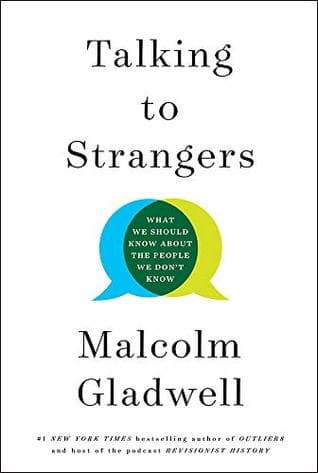
We default to truth. It's a fundamental part of our human nature to believe what people tell us, and it's a profound strength when it comes to social functioning. But it's also a profound weakness when it comes to detecting deception.
Gladwell argues that people naturally 'default to truth,' meaning they tend to believe what others say. This bias helps society function, building trust and cooperation. But it also makes us vulnerable to lies. He shows this with Bernie Madoff, whose Ponzi scheme went unnoticed for years partly because regulators and investors, despite warning signs, believed he was legitimate. Gladwell says this isn't a flaw in our judgment but a necessary social shortcut that, in certain situations, misleads us. Giving up this default entirely would...
Supporting evidence
The Bernie Madoff case, where regulators like Harry Markopolos identified clear inconsistencies but were dismissed because others defaulted to believing Madoff's story.
Apply this
When interacting with strangers, especially in high-stakes situations, actively question assumptions of honesty. Seek independent verification of claims rather than relying solely on verbal assurances. Understand that skepticism, while uncomfortable, can be a necessary safeguard.