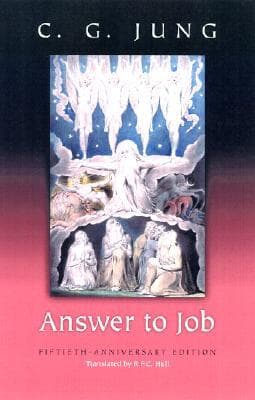
The God-Image Evolves
Human consciousness forces a transformation in our conception of the divine.
Quote
The Book of Job shows us how God works upon man and how man works upon God. In the Book of Job, God is not only an 'object' but also a 'subject' in the drama. He is not merely observed but also observes and reacts to Job's suffering, and in doing so, undergoes a transformation Himself.
Jung argues that the biblical story of Job is not just about human suffering and divine justice, but a psychological drama showing how the image of God develops in the human mind. The 'God' of the Old Testament, especially before Job, is often amoral, unpredictable, and cruel. However, through Job's integrity and moral questioning, even when facing immense suffering and divine injustice, God is forced to confront His own shadow. This confrontation, through human consciousness, makes the divine image more distinct, moral, and ultimatel...
Supporting evidence
Jung's detailed analysis of the Book of Job, particularly God's wager with Satan, Job's righteous suffering, and God's ultimate manifestation in the whirlwind, which Jung interprets as a display of raw, undifferentiated power that lacks moral insight until challenged by human consciousness.
Apply this
Reflect on your own inherited or current image of the divine or ultimate reality. How has this image been shaped by your moral development, personal experiences, and evolving understanding of justice and compassion? Recognize that your personal 'God-image' is not static but a dynamic reflection of your own psychological and spiritual growth.