The Enduring Cycles of History
Civilizations rise and fall in predictable patterns, driven by recurring forces.
Quote
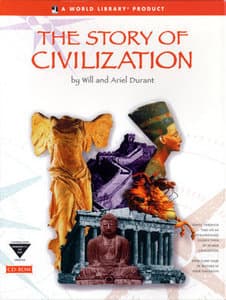
Civilization is not a gift; it is an achievement and a precarious possession.
Durant shows that history is less a straight line and more a series of cycles. Empires appear due to good geography, strong leaders, and new ideas, but eventually fall to internal problems, outside pressure, or the very success that created complacency. This cyclical view highlights that human nature—its ambition, creativity, and destructiveness—stays constant over thousands of years. Understanding these patterns helps us see how fragile even the most advanced societies are, reminding us that no civilization is safe from the forces th...
Supporting evidence
Durant's entire work is an evidence base, but specific examples include the rise and fall of ancient Egypt, the Greek city-states, the Roman Empire, and various dynasties in China and India, each demonstrating a birth, maturity, decline, and often a violent end, only for new powers to emerge from the ashes.
Apply this
Recognize the inherent impermanence of all human constructs, from political systems to cultural norms. Invest in institutions that promote long-term stability and adaptation rather than short-term gains. Learn from historical failures to avoid repeating common pitfalls in governance and societal development.