
Explore our collection of philosophy books. Discover key insights and summaries from the best titles in this genre.
Showing 24 of 555 books
by BobHenderson
3.6(6,417)
This satirical gospel reveals the universe's divine truth, where a Flying Spaghetti Monster with a love for pirates and beer volcanoes challenges intelligent design with amusingly flimsy logic and undeniable carbohydrate appeal.
by Vladimir Lenin
4.1(6,379)
Lenin dissects the capitalist state as an instrument of class oppression, arguing for its revolutionary overthrow and replacement by the dictatorship of the proletariat as the true path to human liberation.

by Rabindranath Tagore
4.2(6,352)
Tagore's stories from turn-of-the-century Bengal explore the human condition through tales of love, loss, and social reflection.

by Iris Murdoch
3.9(6,325)
Outside an abbey, a lay community's spiritual quest turns chaotic when a rediscovered bell tolls for a returning wife, a confronted leader, and a wise Abbess, all facing salvation, human weakness, and the fight between good and evil.
by Eduardo Galeano
4.3(6,304)
Through parables, dreams, and autobiography, Galeano celebrates human potential and invites readers to embrace life's beautiful contradictions.
by Douglas R. Hofstadter
4.0(6,228)
Douglas R. Hofstadter explores the 'strange loop' of self, arguing that consciousness comes from the paradoxical, self-referential feedback in our brains, where an abstract 'I' appears to defy the particles that create it.
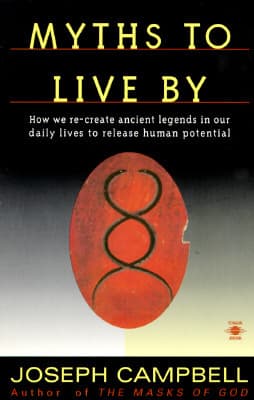
by Joseph Campbell
4.1(6,151)
Joseph Campbell explains how ancient myths are universal guides for personal change and societal balance, offering answers to modern worries by connecting us to timeless human experiences.
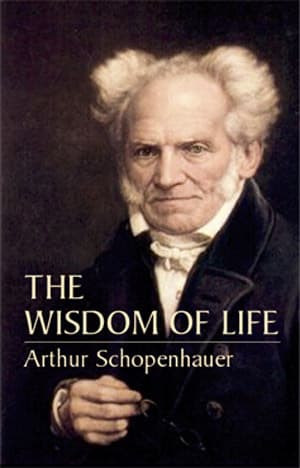
by Arthur Schopenhauer
4.2(6,127)

by Philip Kapleau
4.0(6,065)
Philip Kapleau explains Zen enlightenment by detailing its teachings, practice, and realization, offering a guide for spiritual seekers.
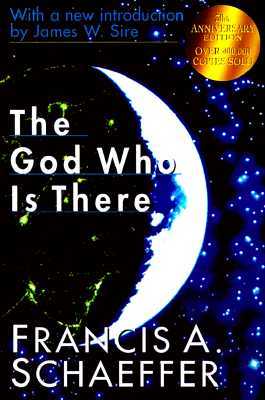
by Francis A. Schaeffer
4.2(6,064)
Francis Schaeffer shows how a personal, infinite God provides the only consistent framework to understand modern philosophy, science, and art.

by Germaine Greer
3.7(6,046)
Germaine Greer examines how society strips women of their power, arguing that true sexual freedom is essential for overcoming centuries of oppression.
by B.F. Skinner
3.5(5,958)
Explore a controversial 1948 American utopia where science engineers away human problems, sparking a debate that continues today.

by Primo Levi
4.4(5,911)
Primo Levi's memoir dissects the complex moral world of the Holocaust, exploring the shared humanity and moral compromises between victim and oppressor in Nazi extermination camps.
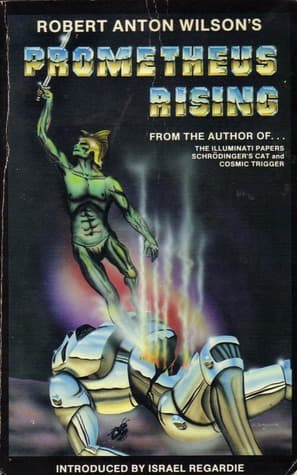
by Robert Anton Wilson
4.3(5,904)
Explore how eight neurological circuits, quantum mechanics, and yoga, with insights from Leary, Gurdjieff, Korzybski, and Crowley, can unlock human consciousness.
by Amartya Sen
4.1(5,900)
Amartya Sen says development is about expanding human freedoms, not just economic growth. He argues these freedoms are both the goal and the best way to achieve societal progress and well-being.
by Sheena Iyengar
3.8(5,871)
Explore the science and philosophy behind our daily decisions, revealing the hidden forces that shape our choices, from small to life-changing.
by Marcel Proust
4.3(5,827)
In the glittering decay of Parisian high society and the rising vulgarity of the new rich, a jealous narrator struggles with Albertine's elusive affections and Baron de Charlus's scandalous secrets, exposing hidden desires and societal hypocrisy.
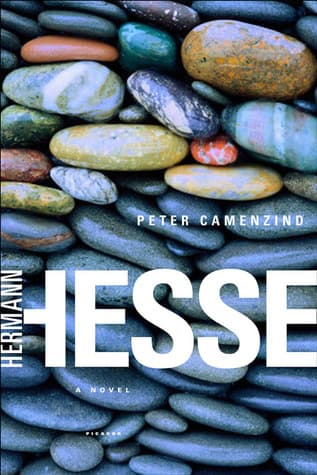
by Hermann Hesse
3.9(5,753)
From Swiss peaks to European despair, Peter Camenzind learns that true peace comes not from grand ideas or romance, but from the quiet act of caring for another.

by Italo Calvino
3.9(5,748)
Mr. Palomar examines daily life, turning ordinary moments into philosophical questions about the world's hidden depths.

by Albert Einstein
3.8(5,728)
This collection goes beyond Einstein's scientific theories, showing his humanistic thoughts on society, ethics, and the search for peace and freedom.

by Sigmund Freud
3.8(5,663)
Freud uses psychoanalysis to describe religion as a collective neurosis, a comfort that prevents scientific reason.

by Jorge Luis Borges
4.4(5,632)
In an infinite library of hexagonal rooms, a universe of every possible book exists, driving humanity to madness in its desperate, futile search for meaning and order amidst an overwhelming ocean of random characters.

by Robert Musil
4.2(5,622)
In the final years of the Austro-Hungarian Empire, a brilliant but detached 'man without qualities' navigates Viennese high society's absurd efforts to celebrate an emperor's jubilee, as the world approaches a major shift.
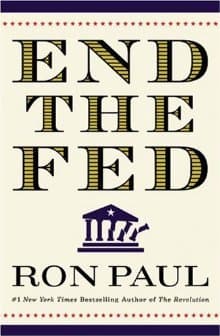
by Ron Paul
4.0(5,576)
Ron Paul explains the Federal Reserve's origins, constitutional standing, and economic effects, arguing it is a corrupt, unconstitutional entity that harms ordinary Americans and causes inflation.