The Gray Zone: Moral Ambiguity in Extremis
A nuanced understanding of complicity and survival beyond simple victim/perpetrator binaries.
Quote
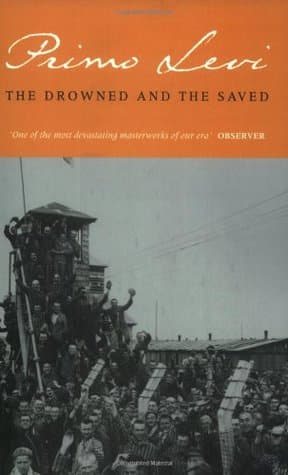
The greater part of the 'gray zone' is made up of individuals or groups whose compromise with the system of power, their collaboration, their complicity, is motivated by the desire to avoid the worst.
Levi's most challenging idea is the 'gray zone,' where lines between victim and oppressor blur. This zone contains people who made compromises under extreme pressure, often necessary for survival but repugnant from a distance. He examines the roles of Kapos, Sonderkommandos, and other inmate functionaries, not to excuse them, but to show the brutal ethical problems the Lager system created. This idea makes readers face the uncomfortable truth that human behavior under duress rarely fits simple moral labels. It shows the system's power...
Supporting evidence
Levi’s detailed analysis of the Kapos and Sonderkommandos, emphasizing their dual role as both victims and instruments of the SS, and his personal observations of how 'privileges' were earned through collaboration.
Apply this
Apply this framework to understand complex historical events or current conflicts where individuals are forced into morally compromised positions, resisting the urge to simplify human actions into good or evil.