“The way to a man's heart is through his stomach.”
— A common saying Peter reflects on early in his life, often in relation to his mother.

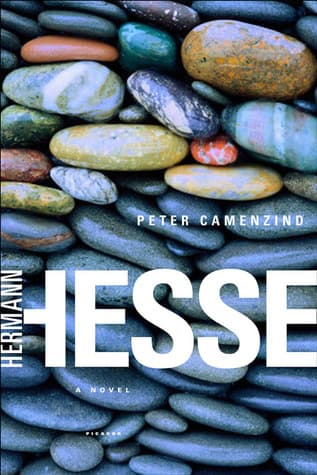
Hermann Hesse (1905)
Genre
Philosophy
Reading Time
200 min
Key Themes
See below
Sign in to track this book
From Swiss peaks to European despair, Peter Camenzind learns that true peace comes not from grand ideas or romance, but from the quiet act of caring for another.
“The way to a man's heart is through his stomach.”
— A common saying Peter reflects on early in his life, often in relation to his mother.
“I wanted to be a man, but I was only a boy.”
— Peter's realization of his immaturity and idealism in his youth.
“Life is a journey, not a destination.”
— A recurring theme Peter contemplates as he travels and seeks purpose.
“Every man has his own path, and he must follow it alone.”
— Peter's growing understanding of individual destiny and solitude.
“True happiness consists in living for others.”
— A profound realization Peter has later in life, especially concerning Boppi.
“Nature is the greatest teacher.”
— Peter's deep connection to and learning from the natural world throughout his life.
“To be truly alive, one must embrace suffering as well as joy.”
— Peter's struggle with and eventual acceptance of life's hardships.
“The world is full of beauty, if only we take the time to see it.”
— Peter's appreciation for the simple, often overlooked beauty in his surroundings.
“Love is the only solution.”
— A sentiment Peter arrives at after many experiences, particularly in his care for Boppi.
“One must learn to live with oneself first, before one can live with others.”
— Peter's journey of self-acceptance and understanding before forming deeper connections.
“The greatest wisdom comes from the simplest things.”
— Reflecting on the profound lessons learned from ordinary life and people.
“Every parting is a foretaste of death, every reunion a foretaste of resurrection.”
— A philosophical reflection on the nature of goodbyes and hellos, often in the context of his travels and friendships.
“It is not the great deeds, but the small acts of kindness that truly matter.”
— Peter's shift from seeking grand achievements to valuing everyday compassion.
“The true artist does not create, but reveals what is already there.”
— Peter's musings on the nature of art and his own aspirations as a writer.
Ready to see how well you understood this book? Take our interactive quiz with 10 questions.
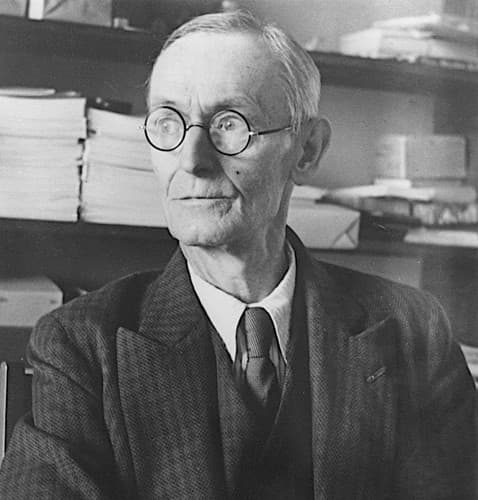
Hermann Karl Hesse was a German-Swiss poet, novelist, and painter. His best-known works include Demian, Steppenwolf, Siddhartha, and The Glass Bead Game, each of which explores an individual's search for authenticity, self-knowledge and spirituality. In 1946, he received the Nobel Prize in Literature.

Jeff Olson
4.4
Thomas Sowell
4.4
Walter Brueggemann
4.3
Rhonda Byrne
4.3

Robin Wall Kimmerer
4.3
George S. Clason
4.3
Elliot Aronson
4.3
Joseph Campbell
4.3