“The small wisdom is like water in a glass: clear, transparent, pure. The large wisdom is like the water in the sea: dark, mysterious, impenetrable.”
— From 'The Poet's Story', reflecting on different kinds of wisdom.

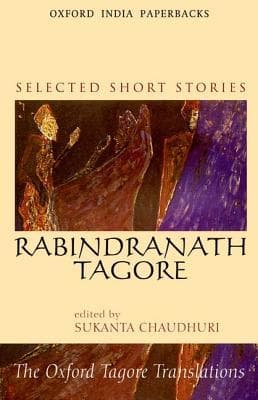
Rabindranath Tagore (1917)
Genre
Philosophy
Reading Time
340 pages / ~7-8 hours (for an average reader)
Key Themes
See below
Sign in to track this book
Tagore's stories from turn-of-the-century Bengal explore the human condition through tales of love, loss, and social reflection.
“The small wisdom is like water in a glass: clear, transparent, pure. The large wisdom is like the water in the sea: dark, mysterious, impenetrable.”
— From 'The Poet's Story', reflecting on different kinds of wisdom.
“Faith is the bird that feels the light and sings when the dawn is still dark.”
— A poetic reflection on faith's enduring nature, often found in philosophical musings.
“You can't cross the sea merely by standing and staring at the water.”
— From 'The Conclusion', emphasizing the need for action over mere contemplation.
“Clouds come floating into my life, no longer to carry rain or usher storm, but to add color to my sunset sky.”
— A metaphor for life's challenges transforming into beauty, often found in his philosophical essays.
“The flower which is single need not envy the thorns that are numerous.”
— From 'The Postmaster', a subtle commentary on individuality and worth.
“Depth of affection is a dangerous thing. It brings with it a burden of care, a weight of responsibility.”
— From 'The Postmaster', exploring the complexities of human attachment.
“Emancipation from the bondage of the soil is no freedom for the tree.”
— A philosophical observation on true freedom, highlighting the importance of roots and belonging.
“The one who plants trees, knowing that he will never sit in their shade, has at least started to understand the meaning of life.”
— A profound statement on altruism and legacy, often attributed to his broader philosophical writings.
“Love is an endless mystery, for it has nothing else to explain it.”
— A musing on the inexplicable nature of love, found in his more romantic and philosophical stories.
“Bigotry tries to keep truth safe in its hand with a grip that kills it.”
— A critique of narrow-mindedness and its detrimental effect on truth.
“Let your life lightly dance on the edges of time like dew on the tip of a leaf.”
— A poetic and philosophical suggestion for living in the moment and appreciating transience.
“The greatest truths are the simplest, and so are the greatest men.”
— A reflection on simplicity and greatness, both in ideas and individuals.
“A mind all alive in a body all alive—that is the ideal state of man.”
— An articulation of the ideal human condition, emphasizing mental and physical vitality.
“The night opens wide to the Light, for the Light is its own child.”
— A metaphor for the inevitable emergence of truth and understanding, even from darkness.
“Sleep is a god who gives you back to yourself.”
— A beautiful description of sleep's restorative power and its role in self-renewal.
Ready to see how well you understood this book? Take our interactive quiz with 10 questions.
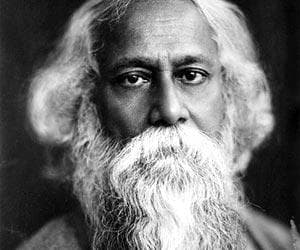
Rabindranath Tagore was a Bengali poet, writer, playwright, composer, philosopher, social reformer and painter. He reshaped Bengali literature and music as well as Indian art with Contextual Modernism in the late 19th and early 20th centuries. Author of the "profoundly sensitive, fresh and beautiful" poetry of Gitanjali, he became in 1913 the first non-European and the first lyricist to win the Nobel Prize in Literature. Tagore's poetic songs were viewed as spiritual and mercurial; however, his "elegant prose and magical poetry" remain largely unknown outside Bengal. He was a fellow of the Royal Asiatic Society. Referred to as "the Bard of Bengal", Tagore was known by sobriquets: Gurudeb, Kobiguru, Biswokobi.

Jeff Olson
4.4
Thomas Sowell
4.4
Walter Brueggemann
4.3
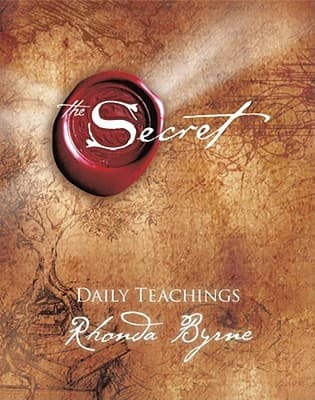
Rhonda Byrne
4.3

Robin Wall Kimmerer
4.3
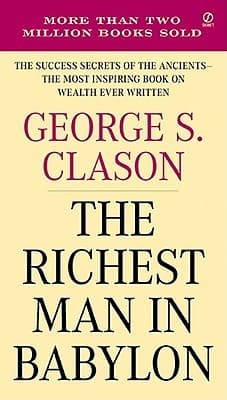
George S. Clason
4.3
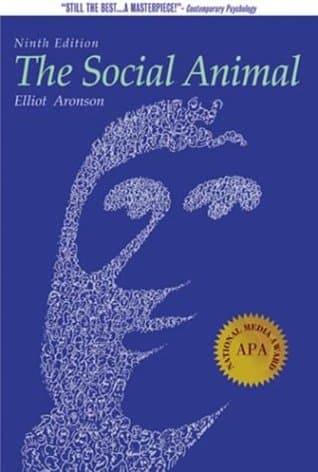
Elliot Aronson
4.3
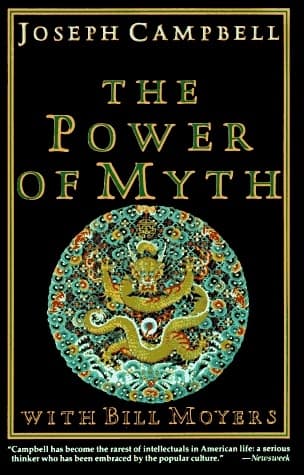
Joseph Campbell
4.3