BookBrief
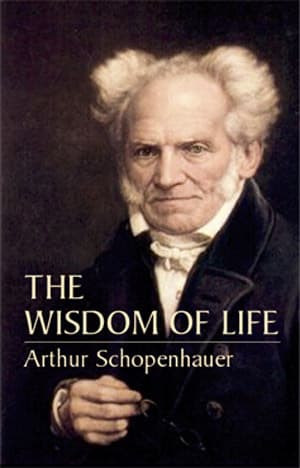
The Wisdom of Life cover
Archivist's Choice

The Wisdom of Life

Arthur Schopenhauer

Genre

Psychology / Philosophy / Self-Help

Reading Time

12 Minutes

Key Themes

See below

Track Your Reading

Sign in to track this book

Core Idea

Schopenhauer, in "The Wisdom of Life," argues that true happiness and a meaningful existence are not found in external possessions, social status, or the pursuit of pleasure, but rather in one's inner state and the cultivation of an independent, rational mind. He posits that our well-being is primarily determined by what we are (our personality, intellect, and character) rather than what we have (property, wealth) or what we represent (reputation, honor). He advocates for a stoic detachment from external contingencies, emphasizing intellectual pursuits, self-sufficiency, and the minimization of suffering as the path to a serene and contented life, rather than the elusive chase for positive happiness.
Difficulty
Medium

Core idea

The central argument and framework that powers the entire book.

Schopenhauer, in "The Wisdom of Life," argues that true happiness and a meaningful existence are not found in external possessions, social status, or the pursuit of pleasure, but rather in one's inner state and the cultivation of an independent, rational mind. He posits that our well-being is primarily determined by what we are (our personality, intellect, and character) rather than what we have (property, wealth) or what we represent (reputation, honor). He advocates for a stoic detachment from external contingencies, emphasizing intellectual pursuits, self-sufficiency, and the minimization of suffering as the path to a serene and contented life, rather than the elusive chase for positive happiness.

At a glance

Difficulty

Medium

Key Takeaways

1

The Threefold Division of Human Existence

Our happiness is determined by what we are, what we have, and how we are perceived.

Quote

What a man is contributes more to his happiness than what he has or how he is regarded by others.

Schopenhauer states that human life's conditions fall into three main aspects: what a person is (personality, health, intelligence), what a person has (possessions, wealth), and how a person appears (reputation, honor, status). Of these, 'what one is' is the most important, as it is built-in and unchanging. Outside factors like wealth or reputation, though they seem important, are less so and do not last. This is Schopenhauer's strongest idea, claiming that inner qualities set our basic contentment, making self-improvement and d...

Supporting evidence

Schopenhauer emphasizes that a cheerful disposition, good health, and a rich inner life are blessings that no external wealth can buy or replace, citing examples of wealthy but miserable individuals versus content, less affluent ones.

Apply this

Focus on cultivating inner virtues, intellectual pursuits, and maintaining physical health rather than obsessing over material gains or public opinion. Invest in experiences and knowledge that enrich your personal being.

2

The Primacy of Inner Life

True happiness stems from within, independent of external circumstances.

Quote

The greatest and most important part of human happiness depends upon what we are, and not upon what we have or how we are regarded by others.

This takeaway builds on the first, saying that the quality of one's inner life—their thoughts, feelings, and intellectual abilities—is the main thing that decides happiness. Outside circumstances, such as wealth or social standing, can give temporary comfort or pleasure but cannot make up for a poor inner world. A person with a rich mind and a strong mental life can find contentment even when alone or in hard times, while someone without these qualities will remain restless and unhappy no matter their possessions. This questions the c...

Supporting evidence

Schopenhauer frequently contrasts the intellectual, who finds endless entertainment in their own thoughts, with the 'philistine,' who is constantly bored and seeks external stimulation, illustrating the qualitative difference in their daily experiences.

Apply this

Develop hobbies that engage your mind, read widely, and cultivate self-sufficiency in terms of entertainment and satisfaction. Reduce reliance on external validation or material possessions for your sense of well-being.

3

The Burden of Boredom

An empty mind is a breeding ground for misery and a driver of superficial pursuits.

Quote

The two foes of human happiness are pain and boredom.

Schopenhauer sees boredom as a big enemy of human happiness, especially for those without inner strengths. When not doing useful work or thinking, people tend to get bored, which makes them look for outside excitement and often do things that are trivial, harmful, or ultimately unfulfilling. This constant need for outside distraction stops self-reflection and real self-growth. This idea shows the importance of meaningful activity and the dangers of a passive, unexamined life.

Supporting evidence

He observes how people, especially the wealthy who are freed from the necessity of labor, often fall into deep boredom, leading them to gambling, excessive socializing, or other transient pleasures that offer no lasting satisfaction.

Apply this

Actively seek out intellectual challenges and fulfilling hobbies that engage your mind. Structure your time to minimize periods of idleness and avoid excessive reliance on passive entertainment.

4

The Illusion of Reputation

Our concern for others' opinions often overshadows our own well-being.

Quote

The value we set upon the opinion of others, and the efforts we make to secure it, are out of all proportion to any result that can be obtained.

Schopenhauer criticizes how much importance people give to reputation, honor, and social status—the third category of human existence. He says that the worry and effort spent to get and keep others' good opinion often far outweigh any real benefit. This focus on outside approval takes people away from their real inner growth and can lead to actions that go against their own reason and happiness. While some respect is needed, he warns against letting it be the main thing that drives one's life choices.

Supporting evidence

He details how people risk their health, wealth, and peace of mind for public recognition or to avoid social disgrace, even when such opinions are ill-informed or transient.

Apply this

Cultivate a strong sense of self-worth independent of external validation. Make decisions based on your own reasoned judgment and values, rather than fear of social disapproval or desire for applause.

5

Wealth as a Means, Not an End

Money's true value lies in averting suffering, not in accumulating pleasure.

Quote

Wealth is like sea-water; the more we drink, the thirstier we become.

Schopenhauer gives a balanced view on wealth, saying its main value is in preventing suffering and giving independence, rather than in providing endless pleasure. He warns against the common mistake that more wealth automatically means more happiness, noting that seeking riches often leads to more worry and unhappiness. Real financial wisdom means having enough to live well and follow one's intellectual interests, without becoming controlled by the wish for endless accumulation. This directly questions modern consumer ideals.

Supporting evidence

He observes that many wealthy individuals are often more anxious about their fortunes than those with less, constantly fearing loss or desiring more, thus negating the supposed benefits of their riches.

Apply this

Aim for financial independence that allows you to pursue your passions and minimize worries, rather than striving for excessive wealth. Recognize that beyond a certain point, more money offers diminishing returns on happiness and often brings new anxieties.

6

The Value of Solitude

Great minds thrive in isolation, while ordinary ones fear it.

Quote

A man must have a good deal of intellect to be fond of solitude.

Schopenhauer supports time alone as important for intellectual and personal growth. He says that those with rich inner lives find company within themselves and often find outside society boring, distracting, or even annoying. On the other hand, ordinary people, without inner resources, constantly look for outside company to escape their own boredom. This is a strong, though somewhat exclusive, argument for self-reflection and independent thought, suggesting that true genius often needs a break from the world's noise. While debatable, ...

Supporting evidence

He cites examples of great thinkers throughout history who preferred solitude, contrasting them with the common man who dreads being alone and constantly seeks out social engagements, however superficial.

Apply this

Embrace periods of solitude for reflection, creative work, and deep thought. Learn to be comfortable and productive in your own company, viewing it as an opportunity for growth rather than a punishment.

7

The Nature of Suffering

Life is fundamentally a struggle to avoid pain, not to achieve pleasure.

Quote

Life is a business that does not cover its expenses.

This is a central idea of Schopenhauer's philosophy, though more openly pessimistic than other points in this essay. He states that happiness is mainly a negative state, defined by the lack of pain, rather than a positive, lasting feeling. Pleasure is simply the end of desire or suffering, and new desires always come up, leading to a constant cycle of striving and dissatisfaction. This view, while bleak, offers a strong way to re-frame expectations, suggesting that contentment often comes from reducing suffering rather than constantly...

Supporting evidence

He illustrates this by noting how we only truly appreciate health when we are sick, or freedom when we are imprisoned, showing that the absence of a negative condition is often our greatest joy.

Apply this

Shift your focus from constantly seeking pleasure to cultivating resilience and minimizing unnecessary suffering. Practice gratitude for the absence of pain and adversity in your life.

8

The Impermanence of Youth

Youth offers potential, but wisdom and tranquility are gifts of age.

Quote

The first forty years of life supply the text, while the remaining thirty supply the commentary.

Schopenhauer acknowledges the energy and potential of youth but also points out its natural restlessness, impulsiveness, and lack of real wisdom. He argues that while youth is full of energy and hope, it is also prone to mistakes. Real wisdom, peace, and a deeper understanding of life's facts come with age and experience. This is a fresh counter-story to society's often unquestioning praise of youth, reminding us of the special value and view that comes with maturity and thought. This argument has limits in not fully seeing the new sp...

Supporting evidence

He contrasts the 'storm and stress' of youth with the calm introspection of old age, noting how the former is driven by immediate desires and passions, while the latter, having witnessed the futility of many such pursuits, finds peace in contemplation.

Apply this

While young, strive to learn from experience and cultivate intellectual habits that will serve you in later life. As you age, embrace the wisdom and tranquility that comes with it, using your accumulated knowledge for deeper reflection and guidance.

9

Cultivating a Philosophical Outlook

Reasoned deliberation and independent thought are keys to a well-lived life.

Quote

To live a life of wisdom, one must first be a philosopher.

Schopenhauer always argues for a life guided by reason and independent thought, rather than by sudden feelings, social pressure, or blind belief. He encourages people to develop a philosophical outlook, which involves critical self-reflection, a deep understanding of human nature, and a clear look at life's realities. This clear thinking allows one to deal with the world with more independence and make choices that truly help one's well-being, rather than falling for common mistakes. This is the main method of the entire essay.

Supporting evidence

The entire essay is an exercise in this, where Schopenhauer systematically dismantles conventional notions of happiness and success, offering a reasoned alternative rooted in his observations of human psychology.

Apply this

Engage in critical thinking about your values, beliefs, and life choices. Question societal norms and develop your own reasoned principles for living. Practice self-awareness and introspection regularly.

10

The Art of Self-Sufficiency

True freedom and happiness come from reducing dependence on others and external factors.

Quote

The less a man needs, the more perfect he is.

This takeaway combines many of Schopenhauer's ideas, stressing that a truly fulfilling life is one of self-sufficiency. By growing a rich inner world, managing desires, and relying less on outside approval or material things, a person gains greater freedom and peace of mind. This self-reliance allows one to handle life's certain challenges with strength and to find contentment regardless of changing situations. It is a strong call for personal action and a rejection of consumerist and socially dependent ways of living.

Supporting evidence

Throughout the essay, he champions the 'man of genius' who finds ample company and entertainment within himself, contrasting him with the 'philistine' who is constantly at the mercy of external stimuli and social gatherings.

Apply this

Simplify your life by identifying and reducing unnecessary desires. Cultivate skills and interests that can be pursued independently. Develop emotional resilience to external opinions and circumstances.

Critical analysis

Notable Quotes

Quiz

Test Your Knowledge

Ready to see how well you understood this book? Take our interactive quiz with 10 questions.

10
Questions
~5
Minutes
?
Best Score

Key Questions (FAQ)

Schopenhauer emphasizes individual strength of will and reasoned deliberation over irrational impulses. He suggests arranging one's life to maximize pleasure and success through independent thought.

About the author

Arthur Schopenhauer

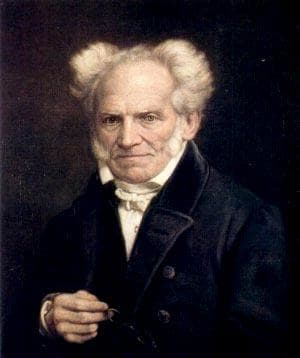
Arthur Schopenhauer was a 19th-century German philosopher renowned for his pessimistic worldview. His seminal work, 'The World as Will and Representation,' profoundly influenced existentialism and psychoanalysis. Schopenhauer's writings, including 'The Wisdom of Life' and 'On the Suffering of the World,' explore themes of suffering, desire, and the nature of reality, offering a unique perspective on the human condition.