
Explore our collection of psychology books. Discover key insights and summaries from the best titles in this genre.
Showing 24 of 368 books
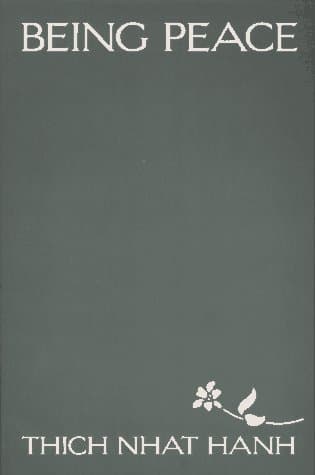
by Thich Nhat Hanh
4.3(10,199)
Thich Nhat Hanh offers a gentle guide to finding inner calm by turning everyday pressures into mindful moments, showing that peace begins within.

by Jeff Zentner
4.2(9,997)
Haunted by a text that may have caused his friends' deaths, a grieving teen must confront his guilt and the victims' families through a series of 'Goodbye Days' that could offer solace or lead to his undoing.
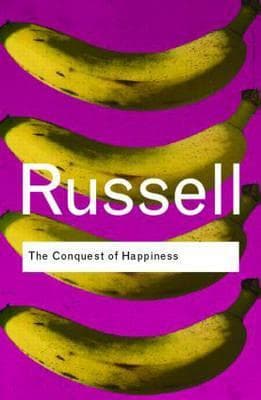
by Bertrand Russell
4.0(9,991)
Bertrand Russell shows how human unhappiness comes from self-absorption and how to find lasting happiness by engaging with the world.
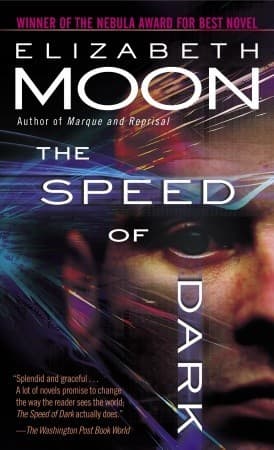
by Elizabeth Moon
4.0(9,957)
In a future where 'normal' is engineered, an autistic man must decide if a cure for his condition is a path to belonging or a betrayal of his unique self, his perceptions, and the love he cherishes.

by Deborah Levy
3.3(9,947)
At a French Riviera villa, a seemingly perfect vacation unravels, exposing the destructive power of hidden depression within a group of flawed tourists over one scorching week.
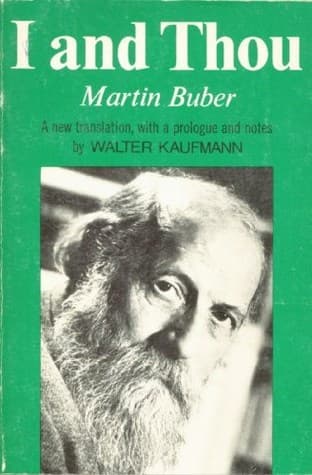
by Martin Buber
4.0(9,768)
True meaning comes from 'I-Thou' relationships, not detached observation, leading to connection with the Divine.
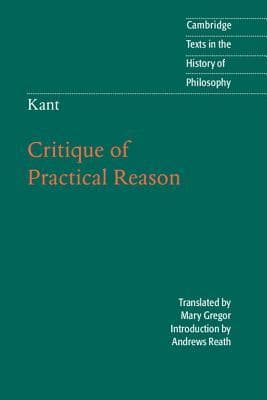
by Immanuel Kant
3.9(9,529)
Kant's 'Critique of Practical Reason' explains how human will, guided by pure reason and not desires, can create universal moral law and define freedom.
by Sudha Murty
4.0(9,466)
Through fifty short stories, Sudha Murty shows the full range of human nature, from a son's cold abandonment to a dying woman's thanks, inviting readers to see the world with more understanding.

by Jonathan Coe
4.0(9,289)
Decades after college, a narcoleptic, a film addict, a heartbroken romantic, and an increasingly unstable doctor meet at a gothic sleep clinic, where their past and present collide in a hallucinatory exploration of love, obsession, and reality.
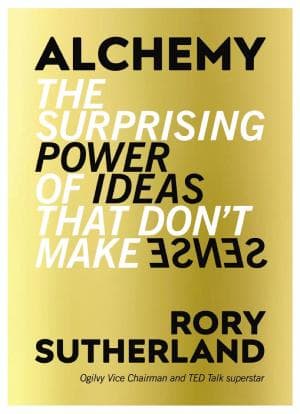
by Rory Sutherland
4.2(9,125)
Rory Sutherland's 'Alchemy' shows how advertising ideas, behavioral science, and funny stories prove that the best solutions come from ignoring logic and trying irrational approaches.
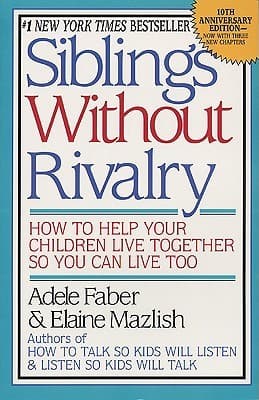
by Adele Faber
4.2(8,960)
Learn fun, practical ways to turn sibling fights into a calm home where every child feels important.

by Irvin D. Yalom
4.2(8,957)
A Nazi ideologue's lifelong obsession with the Jewish philosopher Spinoza, sparked by a forced punishment, forces him to confront the unsettling admiration his idol Goethe held for a man of a race he sought to annihilate, intertwining their lives across centuries to explore the roots of genius and monstrous hatred.

by Richard Powers
3.4(8,872)
After an accident makes him believe his sister is an impostor, a man's search for answers unravels his mind and the lives of those around him, as migrating cranes reflect their world's delicate balance.
by Friedrich Nietzsche
4.0(8,832)
Friedrich Nietzsche's private notebooks, carefully compiled and annotated, show the origins of his ideas on nihilism, morality, art, and human will.
by Friedrich Nietzsche
4.2(8,752)
Explore Nietzsche's challenging ideas on morality, religion, and human purpose, guided by an expert through his most influential works.
by Michael Talbot
4.1(8,528)
Explore a universe where reality is a grand hologram, created by consciousness, explaining quantum physics, telepathy, and mystical experiences.

by Jennings Michael Burch
4.3(8,523)
Abandoned to the isolating currents of the foster care system, a young Jennings Michael Burch navigates a desolate childhood, clinging to the fragile hope of connection as he bravely learns to ask for the love he was so often denied.
by C.G. Jung
4.2(8,451)
Carl Jung explores the modern spiritual void, the unconscious, dreams, and the link between psychology and religion.
by Thrity Umrigar
3.9(8,303)
A kind psychologist befriends a lonely Indian woman in a bad marriage, but their shared secrets threaten to break their bond.

by Hannah Arendt
4.3(8,297)
Hannah Arendt examines how anti-Semitism and imperialism created the conditions for totalitarian regimes like Nazi Germany and Stalinist Russia, which used terror and mass mobilization.
by Sigmund Freud
3.9(8,232)
Freud's book explores how society, religion, and morality began, connecting the incest taboo and Oedipal complex to human civilization.
by Ernest Becker
4.2(8,230)
Ernest Becker's Pulitzer-winning work argues that humanity's deepest motivations, from heroism to madness, are defenses against the terrifying, unacknowledged truth of our own inevitable death.

by Anonymous
4.5(8,130)
This enduring text, first published in 1939, shares the core principles and personal stories that have guided millions to sobriety and a new way of life.
by Sigmund Freud
3.8(8,084)
Sigmund Freud's groundbreaking lectures reveal the hidden depths of the human mind, changing our understanding of consciousness, dreams, and sexuality.