BookBrief
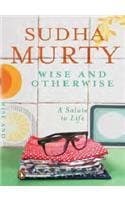
Wise and Otherwise cover
Archivist's Choice

Wise and Otherwise

Sudha Murty (2006)

Genre

Psychology / Biography / Memoir / Philosophy

Reading Time

240 min

Key Themes

See below

Track Your Reading

Sign in to track this book

Through fifty short stories, Sudha Murty shows the full range of human nature, from a son's cold abandonment to a dying woman's thanks, inviting readers to see the world with more understanding.

Core Idea

Through a collection of short stories, 'Wise and Otherwise' explores the complex and often contradictory aspects of human behavior across different parts of Indian society. The book suggests that true wisdom comes not from grand theories but from small moral choices, unexpected acts of kindness, and the quiet strength seen in daily life. It reveals truths about gratitude, humility, ethical problems, and the lasting human spirit. It proposes that everyone, no matter their background, offers a unique lesson, showing that perspective shapes how we understand reality and the true value of human connection over material things.
Reading time
240 min
Difficulty
Easy
✓ Read this if...
You appreciate short, insightful stories that offer moral reflections on everyday life, human nature, and diverse cultural experiences, particularly within India.
✗ Skip this if...
You prefer deep dives into single psychological theories, complex philosophical arguments, or a continuous narrative rather than episodic vignettes.

Core idea

The central argument and framework that powers the entire book.

Through a collection of short stories, 'Wise and Otherwise' explores the complex and often contradictory aspects of human behavior across different parts of Indian society. The book suggests that true wisdom comes not from grand theories but from small moral choices, unexpected acts of kindness, and the quiet strength seen in daily life. It reveals truths about gratitude, humility, ethical problems, and the lasting human spirit. It proposes that everyone, no matter their background, offers a unique lesson, showing that perspective shapes how we understand reality and the true value of human connection over material things.

At a glance

Reading time

240 min

Difficulty

Easy

Read this if...

You appreciate short, insightful stories that offer moral reflections on everyday life, human nature, and diverse cultural experiences, particularly within India.

Skip this if...

You prefer deep dives into single psychological theories, complex philosophical arguments, or a continuous narrative rather than episodic vignettes.

Key Takeaways

1

The Unpredictable Spectrum of Human Goodness

Human nature defies simple categorization, often revealing surprising depths of compassion and cruelty.

Quote

Human nature is complex and defies easy categorization. You can find both the divine and the devilish in every individual.

Sudha Murty shows that people are not simply good or evil. Her stories consistently demonstrate the changing and often contradictory nature of our character. An ordinary person can do something remarkably kind, while another, in a moment of weakness, can show surprising cruelty. This unpredictability is part of being human, making each interaction a possible discovery. The book encourages readers to observe without judgment, accepting the full, complicated range of human behavior rather than seeking simple labels. It asks us to embrac...

Supporting evidence

The story of the man who abandons his father at an old-age home, claiming him to be a stranger, starkly contrasts with stories of selfless individuals who help strangers in need, often with no expectation of reward.

Apply this

Cultivate a more observational and less judgmental stance towards others. Instead of quickly categorizing people, allow for the possibility of unexpected actions, both positive and negative, and seek to understand the underlying motivations without necessarily condoning the behavior.


human-nature-complexitymoral-ambiguityempathy-observation
2

Humility in Receiving

True humility extends beyond giving; it encompasses the grace and dignity of accepting help when offered.

Quote

True humility is not just about giving, but also about the grace with which one receives.

Murty challenges the common idea that humility is only about giving. Through moving encounters, she shows that being able to receive with grace, thanks, and dignity is an equally deep expression of humility. Many find it easier to be the giver than the receiver, often due to pride or a wish to be self-sufficient. However, refusing help can unintentionally lessen the giver's joy and connection. The book highlights how accepting help, especially when truly needed, builds a stronger human bond, recognizing that we depend on each other ra...

Supporting evidence

The tribal chief in the Sahyadri hills who teaches the author that there is humility in receiving. His wisdom suggests that by allowing others to give, one completes the circle of human connection and generosity.

Apply this

Practice accepting compliments, help, and gifts with genuine gratitude, without deflecting or minimizing. Recognize that allowing others to give can be a gift to them, fostering connection and mutual respect.

humility-receivingdignity-acceptanceinterdependence
3

The Power of Small Gestures

Even the most seemingly insignificant acts of kindness can leave an indelible mark on a human heart.

Quote

Often, it is not the grand gestures, but the small, thoughtful acts that truly touch the human heart.

Murty consistently shows that heroism is not always about grand, dramatic acts, but often lies in quiet, everyday gestures of kindness. A warm smile, a word of support, a shared meal, or truly listening can deeply affect someone's life. These small acts, often overlooked when chasing bigger achievements, together create a compassionate society. The book reminds us that we all can make a difference, not just through huge efforts, but through consistent, thoughtful acts. It is a powerful statement that intention and empathy, more than s...

Supporting evidence

The story of the sick woman on her deathbed who remembers to thank her benefactor for a small act of kindness, highlighting the lasting impact of seemingly minor gestures.

Apply this

Consciously look for opportunities to perform small acts of kindness daily: offering a genuine compliment, holding a door, listening attentively, or offering a small help. Understand that these cumulative actions build stronger relationships and a more humane environment.

everyday-kindnessimpact-small-actsmindful-compassion
4

Gratitude as a Lingering Virtue

True gratitude transcends circumstances, persisting even in the face of adversity and impending loss.

Quote

Gratitude, when truly felt, stays with you, a quiet beacon even in the darkest moments.

Murty illustrates that gratitude is not just a polite response but a deeply felt quality that can last even in the worst situations. Her stories feature people who, despite facing big personal challenges, illness, or even death, remember and express thanks for kindness received. This shows gratitude as a basic part of a good life, a quality that speaks to a person's character more than their possessions or social standing. It suggests that a grateful heart finds reasons to appreciate, even when circumstances are far from ideal, offeri...

Supporting evidence

The dying woman who, even on her deathbed, remembers and expresses profound gratitude to someone who helped her earlier, demonstrating the enduring nature of true thankfulness.

Apply this

Regularly practice expressing gratitude, both verbally and internally, for both significant and seemingly insignificant aspects of life. Consider keeping a gratitude journal or making it a daily reflection to cultivate this enduring virtue.

enduring-gratituderesilience-appreciationcharacter-virtues
5

The Unseen Lives of India

The book offers a rare, intimate glimpse into the diverse and often challenging realities of everyday Indians.

Quote

India is a land of a billion stories, each one unique, each one a lesson in life.

Beyond individual character studies, 'Wise and Otherwise' is an important look into the varied social and economic situations of India. Murty travels widely, meeting people from all walks of life—from tribal groups in remote hills to urban professionals, from the very poor to the comfortable middle class. Her observations show the sharp differences and shared humanity across different regions and social groups. The book entertains and educates, showing readers the struggles, resilience, and unique cultural details that define the larg...

Supporting evidence

Murty's interactions with a tribal chief, conversations with villagers, and encounters with people in various cities across India, showcasing the vast geographical and social diversity.

Apply this

Seek out opportunities to learn about different cultures and socio-economic realities, whether through travel, literature, or engaging with diverse communities. Challenge assumptions about 'average' experiences and embrace the richness of varied human lives.

indian-diversitysocioeconomic-realitiescultural-understanding
6

Perspective Shapes Reality

Our interpretation of events is deeply influenced by our background, values, and immediate circumstances.

Quote

What one person sees as a tragedy, another might see as a lesson, or even a blessing in disguise. It all depends on where you stand.

A repeated theme in Murty's stories is how different people see and react to the same event based on their unique life experiences and moral views. What might seem like a clear injustice to one person could be explained or even seen as necessary by another, driven by their own circumstances or beliefs. This highlights how subjective reality is and how important empathy is for understanding others' choices. The book encourages readers to consider multiple viewpoints before deciding, recognizing that 'truth' is often complex and very pe...

Supporting evidence

The different reactions and justifications surrounding acts of selfishness or generosity, where a character's background or immediate need often dictates their perception of right and wrong.

Apply this

Before making quick judgments, consciously try to understand the perspective of others, especially when their actions seem incomprehensible. Ask: 'What might be driving this person? What are their circumstances?' This fosters greater empathy and reduces snap judgments.

subjective-realityempathetic-perspectivecognitive-bias
7

Money's False Promises

Wealth often fails to guarantee happiness, wisdom, or moral uprightness, and can even corrupt.

Quote

Money can buy comfort, but it rarely buys character, wisdom, or true contentment.

Murty often contrasts characters with different financial statuses, often showing that wealth is a poor sign of moral character or personal happiness. Stories feature rich people showing cruelty or deep unhappiness, while those with little often show great generosity, resilience, and inner peace. The book subtly criticizes society's focus on material gain, suggesting that true richness lies in one's character, relationships, and values. It is a reminder that money, while providing comfort, does not inherently bring wisdom or virtue, a...

Supporting evidence

The man who abandons his father despite likely having the means to care for him, contrasted with stories of poor individuals sharing their last meal with strangers.

Apply this

Reflect on personal values and prioritize character, relationships, and meaningful contributions over solely financial accumulation. Regularly assess if financial decisions align with ethical principles and personal well-being.

money-and-moralitywealth-happiness-fallacymaterialism-critique
8

The Teacher in Everyone

Life's most profound lessons often come from unexpected sources and ordinary encounters.

Quote

Every person you meet, every experience you have, holds a potential lesson if you are open enough to receive it.

Murty's role as the narrator is not just to observe, but to learn. She consistently sees herself as a student of life, gaining wisdom from unexpected teachers—a tribal chief, a street vendor, a sick old woman, or even a child. This highlights the idea that wisdom is not only for academics or gurus but is found throughout society, waiting to be discovered by an open and observant mind. The book encourages a lifelong learning approach, urging readers to approach every interaction with curiosity and humility, recognizing that everyone, r...

Supporting evidence

The author explicitly states how she learned profound lessons from encounters with people from diverse backgrounds, such as the tribal chief teaching her about humility in receiving.

Apply this

Adopt a 'student of life' mindset. Approach every new person or experience with curiosity, asking what you can learn from them. Practice active listening and be open to challenging your preconceived notions.

lifelong-learningeveryday-wisdomopen-mindedness
9

Ethical Dilemmas in Everyday Life

The book presents situations where right and wrong are not clear-cut, forcing reflection on personal ethics.

Quote

Life often presents situations where the path of 'right' is not clearly marked, requiring us to navigate with our own moral compass.

Many of Murty's stories look into situations where characters face complex ethical choices, and the 'right' action is not clear. These stories serve as moral lessons, prompting readers to consider what they would do in similar circumstances. The book does not always offer easy answers; instead, it presents the problem and lets the reader grapple with the details of human motivation, societal pressures, and personal responsibility. This exploration of uncertainty is important, as it reflects real life, where moral decisions are rarely ...

Supporting evidence

Stories where characters make questionable choices out of desperation, or where an act of kindness has unforeseen negative consequences, forcing the reader to weigh different moral outcomes.

Apply this

Engage in self-reflection on personal ethical principles. When faced with complex decisions, consider the various stakeholders and potential long-term impacts, rather than seeking only immediate gratification or simple solutions.

moral-dilemmasethical-reflectionpersonal-integrity
10

The Enduring Spirit of Humanity

Despite encountering selfishness and hardship, Murty ultimately affirms the resilience and inherent goodness in people.

Quote

Even amidst the shadows, the light of human kindness and resilience always finds a way to shine through.

While 'Wise and Otherwise' clearly shows the darker sides of human nature—greed, indifference, and cruelty—it ultimately leaves the reader with hope and a confirmation of humanity's lasting spirit. Murty balances every sad story with an equally powerful story of generosity, courage, or steady spirit. This optimistic view, despite the harsh realities shown, is perhaps the book's greatest strength. It suggests that even in an imperfect world, there is always room for kindness, compassion, and the quiet heroism of everyday people. The bo...

Supporting evidence

The cumulative effect of stories showcasing extraordinary generosity and resilience, such as individuals overcoming immense personal hardship while retaining their empathy and dignity, counterbalancing the more cynical portrayals.

Apply this

Actively seek out and appreciate acts of kindness and resilience in the world around you. Contribute to this enduring spirit by performing acts of compassion and supporting initiatives that uplift human dignity.

human-resilienceinherent-goodnessoptimism-humanity

Critical analysis

Notable Quotes

The only way to keep your health is to eat what you don't want, drink what you don't like, and do what you'd rather not.

A common adage Sudha Murty reflects on in the context of self-discipline and well-being.

When you give, give with your heart. Don't expect anything in return. The joy of giving is in the act itself.

A recurring theme in her stories about philanthropy and helping others without expectation.

Life is a journey, and if you fall in love with the journey, you will be in love forever.

A philosophical reflection on finding contentment and happiness in the process of life.

Money is not everything, but it is something. It can buy you comfort, but not happiness.

Discussing the role of wealth in life, distinguishing between material comfort and emotional well-being.

The greatest wealth is health.

A simple yet profound statement on the priority of health over material possessions.

If you are educated, you must use your education to help others. That is the true meaning of education.

Emphasizing the social responsibility that comes with education, a belief she often shares.

Sometimes, the biggest lessons come from the smallest people or the simplest situations.

Reflecting on the unexpected sources of wisdom found in everyday life and ordinary encounters.

It is not what you have, but what you do with what you have that matters.

A principle highlighting the importance of action and utilization of resources rather than mere possession.

Patience is a virtue, but sometimes you need to take action.

Balancing the need for patience with the recognition that decisive action is sometimes necessary.

True happiness lies in contentment.

A simple philosophical statement about finding joy and peace in what one has.

Don't judge a book by its cover, nor a person by their appearance.

A classic idiom applied to human interactions, advocating for looking beyond superficialities.

Every person you meet has a story to tell, and every story has a lesson.

Encouraging empathy and active listening, recognizing the value in every individual's experience.

The greatest joy is to see others happy because of something you have done.

Highlighting the intrinsic reward of selfless acts and contributing to others' well-being.

Simplicity is the ultimate sophistication.

A quote often attributed to others, but reflected in her own life and the values she espouses.

Quiz

Test Your Knowledge

Ready to see how well you understood this book? Take our interactive quiz with 10 questions.

10
Questions
~5
Minutes
?
Best Score

Key Questions (FAQ)

Wise and Otherwise is a collection of fifty real-life vignettes by Sudha Murty, exploring the diverse facets of human nature through stories of generosity, meanness, humility, and resilience observed across India. It offers a reflective look at human behavior and encourages introspection.

About the author