
Explore our collection of psychology books. Discover key insights and summaries from the best titles in this genre.
Showing 24 of 368 books

by Aldous Huxley
3.9(2,233)
In a 17th-century French town, a charismatic priest's ambition and a convent of Ursuline nuns' spiritual fervor ignite a terrifying conflagration of alleged demonic possession, mass hysteria, and political intrigue, culminating in a dramatic and horrifying inquisition.

by Madeleine Roux
3.9(2,108)
When a summer program places three teens in a former asylum for the criminally insane, they uncover a terrifying, shared past that refuses to stay buried, blurring the lines between their present and the institution's chilling history.
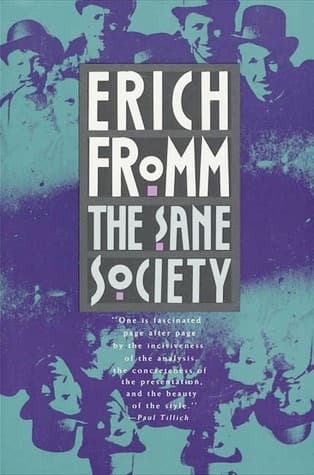
by Erich Fromm
4.3(2,003)
Erich Fromm examines the 'pathology of normalcy' in Western capitalism, showing how societal sickness isolates individuals and suggesting radical community-based solutions for mental health, love, and freedom.

by Doris Lessing
3.7(1,833)
A Cambridge professor's mind fractures, sending him from a mental asylum into a cosmic journey that blurs madness, myth, and reality.
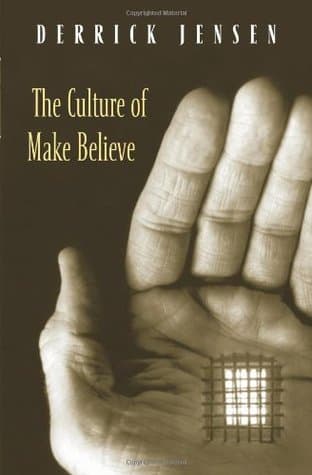
by Derrick Jensen
4.3(1,818)
Derrick Jensen connects early 20th-century American lynchings to modern South American death squads, showing the 'make-believe' that underpins our civilization.
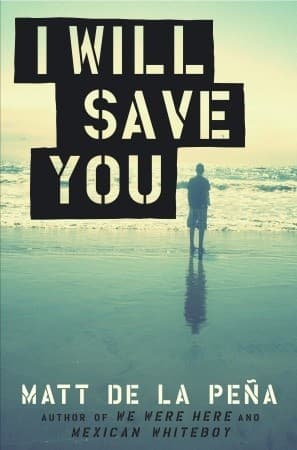
by Matt de la Pena
4.1(1,753)
A runaway teen, haunted by his past, finds love and betrayal on Southern California beaches, forcing him to confront his true self.
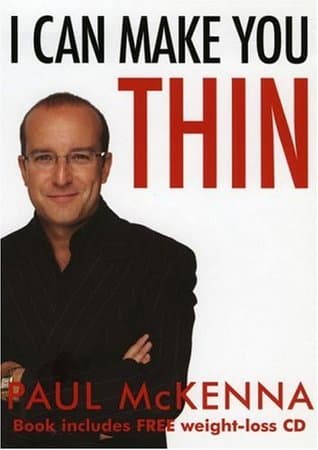
by Paul McKenna
3.6(1,736)
Paul McKenna's 'I Can Make You Thin' offers a psychological approach to weight loss, helping people naturally desire healthier eating habits and build lasting body confidence without restrictive diets.

by Harry Browne
4.1(1,587)
Harry Browne presents a radical path to personal freedom, arguing it is an internal state, not something granted by society.
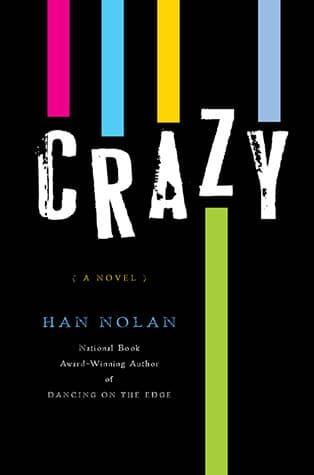
by Han Nolan
3.9(1,576)
As his father descends into madness, fifteen-year-old Jason navigates the crumbling reality of his home with the help of an elaborate imaginary world, desperately trying to keep their secret while teetering on the brink of his own sanity.
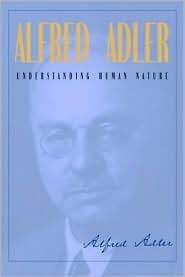
by Alfred Adler
4.0(1,533)
Adler's 1927 guide explores the roots of our daily actions, helping us understand ourselves better and live more cooperatively.
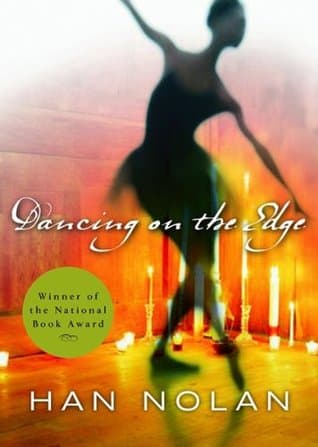
by Han Nolan
3.9(1,530)
Haunted by a mystical past, a young woman named Miracle faces the fiery results of her own unreality to find her place in a world she was never taught to inhabit.
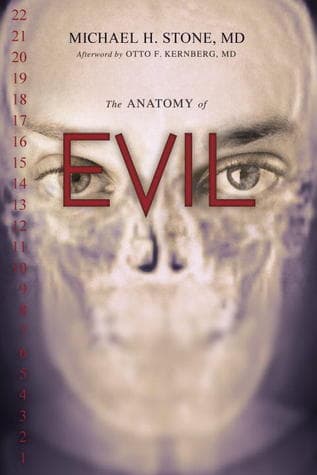
by Michael H. Stone
4.0(1,476)
Dr. Michael Stone explores the minds of notorious killers, dissecting the range of human evil, mapping its psychological roots, and proposing a hierarchical understanding beyond religious dogma.
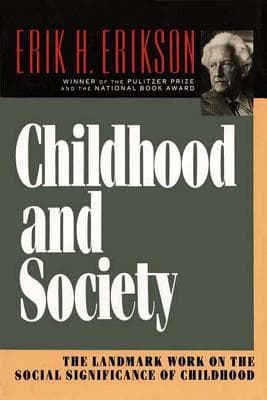
by Erik H. Erikson
4.1(1,420)
Erik Erikson's important work links individual psychological development with cultural and historical forces, showing how childhood shapes personal identity and society's evolution.
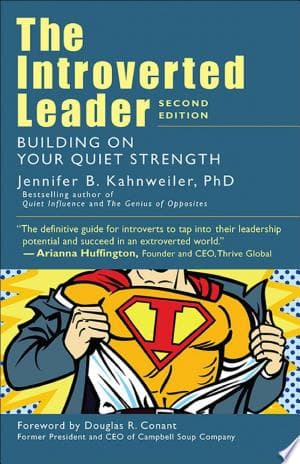
by Jennifer B. Kahnweiler
3.3(1,414)
Introverted leaders like Zuckerberg and Buffett can use a four-step strategy to leverage their quiet strengths, gain influence, and improve the modern workplace.
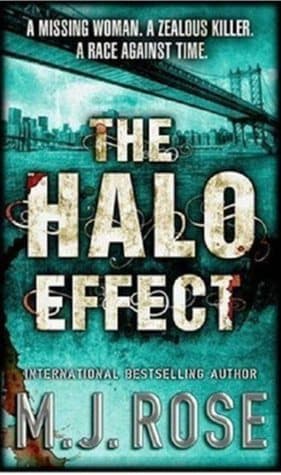
by M.J. Rose
3.6(1,407)
A Manhattan sex therapist enters the dangerous world of high-class escorts and ritualistic murders when her patient, a call girl with an explosive memoir, vanishes, forcing her to go undercover to expose the powerful men who might be involved.
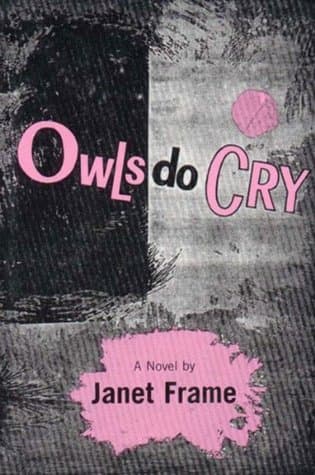
by Janet Frame
4.0(1,371)
In pre-1940s New Zealand, a young woman's poetic voice, shaped by loss and the harsh reality of a mental asylum's 'Dead Room,' shows the fragile line between perceived madness and insight.
by Pierre Teilhard de Chardin
4.1(1,356)
In "The Phenomenon of Man," Teilhard de Chardin explores how Christian theology and scientific evolution can align, showing a universe always moving toward a divine Omega Point.
by Robert Burton
4.2(1,338)
Robert Burton's 17th-century work is a vast, elegant exploration of human melancholy, dissecting every aspect of the condition and offering a timeless journey through psychology, history, and philosophy.
by Stephanie Elliot
3.8(1,316)
A sixteen-year-old with a hidden eating disorder finds that new love can't silence her inner struggles; only family and a devoted boyfriend can help her reclaim her life.
by C.G. Jung
4.2(1,299)
Jung's most controversial work analyzes the biblical Book of Job not as theology, but as an exploration of how divine and evil archetypes appear in the human mind.

by Frances A. Yates
4.2(1,280)
Frances Yates explores how ancient orators and Renaissance mages mastered vast knowledge before printing, using forgotten memory palace techniques that shaped Western thought.
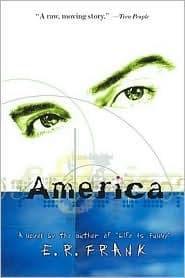
by E.R. Frank
3.9(1,277)
Trapped in a broken system and his own self-doubt, a boy named America believes he is too lost to be found until a compassionate therapist dares to search for the person beneath the pain.

by Brianna Wiest
4.1(1,270)
This essay collection challenges common ideas about self-help, encouraging you to prioritize purpose over passion, use negative thinking, and understand the biases that shape your reality.
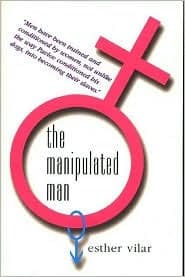
by Esther Vilar
3.6(1,264)
Esther Vilar argues that the 'manipulated man' is the true slave, working to support a woman who has become a privileged oppressor through societal conditioning.