BookBrief
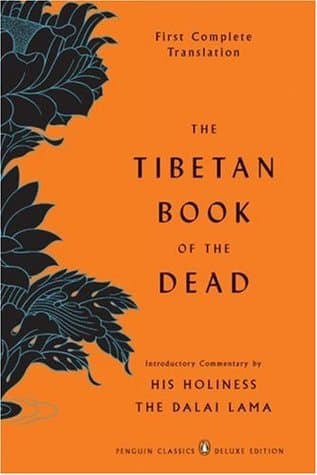
The Tibetan Book of the Dead cover
Archivist's Choice

The Tibetan Book of the Dead

Padmasambhava (2005)

Genre

History / Spirituality / Philosophy

Reading Time

535 min

Key Themes

See below

Track Your Reading

Sign in to track this book

This ancient Tibetan guide explains the path from life to death and beyond, with practices for daily transformation and insights into the after-death state.

Core Idea

The Tibetan Book of the Dead, or Bardo Thodol, is a guide for consciousness during the intermediate state (bardo) between death and rebirth. It says death is not an end but a transition, offering chances for liberation through recognizing reality. The book describes experiences in the bardo of dying, the bardo of reality (Chönyid Bardo), and the bardo of becoming (Sidpa Bardo). It notes that all visions, peaceful or wrathful, are projections of one's mind. By giving instructions for the deceased and living practitioners, it aims to help achieve enlightenment or a favorable rebirth, advocating for preparedness and understanding throughout life to navigate death consciously.
Reading time
535 min
Difficulty
Hard
✓ Read this if...
You are interested in ancient spiritual texts on death, dying, and the afterlife, or wish to explore Buddhist philosophy on consciousness, karma, and rebirth. It's also for those seeking a framework for understanding and preparing for the ultimate transition.
✗ Skip this if...
You are looking for a light read, prefer modern scientific explanations of consciousness and death, or are uncomfortable with detailed descriptions of spiritual realms and deities that may seem foreign to Western sensibilities.

Core idea

The central argument and framework that powers the entire book.

The Tibetan Book of the Dead, or Bardo Thodol, is a guide for consciousness during the intermediate state (bardo) between death and rebirth. It says death is not an end but a transition, offering chances for liberation through recognizing reality. The book describes experiences in the bardo of dying, the bardo of reality (Chönyid Bardo), and the bardo of becoming (Sidpa Bardo). It notes that all visions, peaceful or wrathful, are projections of one's mind. By giving instructions for the deceased and living practitioners, it aims to help achieve enlightenment or a favorable rebirth, advocating for preparedness and understanding throughout life to navigate death consciously.

At a glance

Reading time

535 min

Difficulty

Hard

Read this if...

You are interested in ancient spiritual texts on death, dying, and the afterlife, or wish to explore Buddhist philosophy on consciousness, karma, and rebirth. It's also for those seeking a framework for understanding and preparing for the ultimate transition.

Skip this if...

You are looking for a light read, prefer modern scientific explanations of consciousness and death, or are uncomfortable with detailed descriptions of spiritual realms and deities that may seem foreign to Western sensibilities.

Key Takeaways

1

The Bardo States: A Map of Consciousness

Life and death are continuous states of 'bardo' or transitional phases.

Quote

O nobly born, listen without distraction. The time has come for you to seek the path. Your mind is about to experience the Clear Light of Reality.

The Tibetan Book of the Dead, or Bardo Thodol, is not just a guide for the dying but a map of consciousness. It says existence is a series of 'bardos' – transitional states. These include the bardo of birth, dreams, meditation, dying, and becoming. Understanding these states makes life and death seem less mysterious, presenting them as fluid, connected experiences. The text says consciousness navigating these bardos stays consistent, offering chances for liberation at each stage. This framework redefines death not as an end, but as ...

Supporting evidence

The entire structure of the book is a detailed description of the six bardos, with specific instructions for navigating each, particularly the three bardos of death: Chikhai Bardo (bardo of dying), Chönyid Bardo (bardo of dharmata), and Sidpa Bardo (bardo of becoming).

Apply this

Practice mindfulness and self-awareness in daily life to recognize the transitional nature of all experiences. View challenges and changes as 'mini-bardos' offering opportunities for growth and liberation. Engage in dream yoga to become lucid and practice navigating altered states of consciousness, preparing for the more profound bardos of death.

bardo-thodolconsciousness-statesspiritual-liberation
2

The Clear Light of Reality

At the moment of death, a primal, luminous awareness is accessible.

Quote

Recognize it! It is the Clear Light of Emptiness, the Dharmakaya. This is the very state of your own pure awareness.

Central to the Bardo Thodol is the 'Clear Light of Reality' (Dharmakaya), an awareness that appears at death. The book says our true nature is this clear light, hidden by our attachments during life. Death offers a unique chance to see this Clear Light. If seen and accepted, it offers immediate liberation from rebirth (samsara). But, because they are unprepared, most people miss it and go into other bardos. This moment is the ultimate test of one's spiritual practice and understanding.

Supporting evidence

The Chikhai Bardo section explicitly details the appearance of the Primary Clear Light, followed by the Secondary Clear Light, and provides instructions for the dying person to recognize and merge with it.

Apply this

Cultivate a meditation practice focused on recognizing the nature of mind – its emptiness, clarity, and luminosity – even in brief moments. Regularly practice 'pointing out' instructions from a qualified teacher to directly experience primordial awareness. During moments of deep relaxation or stillness, try to perceive the underlying clarity of consciousness.

clear-lightdharmakayaprimordial-awarenesssamsara
3

Karma and Rebirth: The Architect of Future Lives

Every action, thought, and word shapes the trajectory of future existences.

Quote

Alas! The karmic winds will push you, and you will be helpless, wandering without refuge.

The Bardo Thodol bases its understanding of the afterlife on karma and rebirth. It teaches that our actions, intentions, and habits during life create 'karmic imprints' that shape our experiences in the bardos and our next rebirth. The Sidpa Bardo describes how these karmic tendencies appear as visions of future lives, pulling consciousness towards a new birth. The text emphasizes personal responsibility, as we create our own destiny. This is a natural law of cause and effect, offering chances for change through ethical conduct and sp...

Supporting evidence

The Sidpa Bardo section details the karmic visions, the 'judgement' by the Lord of Death (a symbolic representation of one's own karma), and the subsequent pull towards specific rebirths based on past actions.

Apply this

Engage in ethical conduct (e.g., the five precepts) in daily life, recognizing the long-term impact of every action. Practice introspection to understand your motivations. Cultivate positive intentions and purify negative ones through practices like confession and dedication of merit, actively shaping favorable karmic imprints for this life and future ones.

karmarebirthsamsaraethical-conduct
4

Guidance for the Dying: The Art of Spiritual Assistance

The living play a crucial role in guiding the consciousness of the deceased.

Quote

Do not cling to this life, O nobly born. Do not be attached to your body or your loved ones. Recognize that this is the bardo of dying.

Unlike many Western views that see death as a solitary event, The Tibetan Book of the Dead gives specific instructions for those attending the dying. The text is to be read aloud to the deceased, sometimes for days after clinical death, to guide their consciousness through the bardos. The reader acts as a spiritual coach, reminding the dying person of their true nature, encouraging non-attachment, and telling them how to see the Clear Light and later visions. This practice shows a communal responsibility and an active, compassionate e...

Supporting evidence

The entire text is structured as a series of instructions to be read to the dying or recently deceased, addressing them directly as 'O nobly born' or 'O son/daughter of noble family'.

Apply this

If caring for someone who is dying, learn to be present without attachment. Research and gently offer comforting words, prayers, or readings that encourage letting go and recognizing peace. Create a calm, supportive environment. For personal preparation, reflect on what truly matters and practice non-attachment to possessions and outcomes.

death-ritualsspiritual-carecompassionnon-attachment
5

The Wrathful Deities: Projections of One's Own Mind

Terrifying visions in the bardo are not external demons, but internal manifestations.

Quote

Do not be afraid of the wrathful deities, O nobly born. They are the projections of your own pure awareness. Recognize them as such, and you will be liberated.

A challenging but freeing part of the Chönyid Bardo (bardo of dharmata) is the appearance of terrifying wrathful deities. The Bardo Thodol says these are not external demons or punishments, but vivid projections of one's mind, from unintegrated parts of consciousness. They represent primal energies, fears, and karmic imprints. The main instruction is not to run or fear them, but to see them as empty, self-arisen manifestations. This recognition removes their power and leads to liberation. It is a psychological insight, suggesting that...

Supporting evidence

The Chönyid Bardo describes a succession of peaceful and wrathful deities, with explicit instructions to recognize them as 'your own thought-forms' or 'projections of your own awareness'.

Apply this

Practice shadow work or Jungian analysis to identify and integrate unacknowledged aspects of your personality. When facing intense emotions like fear, anger, or anxiety, instead of suppressing or reacting, try to observe them as phenomena of the mind, recognizing their impermanence and ultimately empty nature. This builds resilience for the bardos.

wrathful-deitiesmind-projectionsshadow-workself-liberation
6

Bereavement as a Spiritual Opportunity

Coping with loss can be transformed into a practice of compassion and understanding.

Quote

Do not weep, do not suffer, for your suffering will only hinder the deceased. Instead, direct your thoughts and prayers for their liberation.

The Bardo Thodol offers a view on bereavement that shifts the focus from personal grief to active spiritual support for the deceased. While it acknowledges the pain of loss, it advises against too much attachment and sadness, saying such emotions can hinder the consciousness of the departed as it navigates the bardos. Instead, the book encourages the living to dedicate merit, offer prayers, and maintain a calm, positive mindset, creating good conditions for the deceased's liberation. This changes bereavement from passive suffering int...

Supporting evidence

Throughout the text, instructions are given to the attendants to avoid weeping or making loud noises that could disturb the dying or deceased, and instead to offer prayers and reminders of the teachings.

Apply this

When experiencing loss, channel grief into active prayers, meditations, or acts of kindness (dedication of merit) for the benefit of the deceased. Focus on releasing attachment rather than clinging. Understand that true love is wishing for the other's ultimate freedom and well-being, even if it means letting go.

bereavementcompassiondedication-of-meritnon-attachment
7

The Illusion of Objective Reality

All phenomena, in life and death, are ultimately mind-created illusions.

Quote

Whatever appears, whatever arises, know it to be your own projection. Do not be attached, do not be afraid.

A main philosophical idea of the Bardo Thodol, from Mahayana Buddhism, is that all reality, in life and after death, is a projection of one's mind. The vivid landscapes, deities, and hellish visions in the bardos are not objectively real external beings but appearances of one's karmic imprints and thought patterns. Seeing this illusory nature – that 'everything is mind' – is the way to liberation. This insight removes fear and attachment, letting consciousness go beyond delusion and suffering. It redefines reality, urging us to look w...

Supporting evidence

Repeated admonitions throughout the Chönyid and Sidpa Bardos to recognize all appearances as 'your own thought-forms' or 'projections of your own awareness'.

Apply this

Practice deep introspection and meditation to observe how your mind constructs your reality. Question the solidity and inherent existence of phenomena. Recognize that your perceptions, emotions, and even your sense of self are fluid and mind-dependent. This helps to loosen the grip of attachment and aversion in daily life.

mind-onlyillusionemptinessmahaya-buddhism
8

Preparation is Paramount

Spiritual practice during life is the only true preparation for death.

Quote

If one has understood the teachings during one's lifetime, then in the bardo one will be liberated without difficulty.

The Bardo Thodol is clear: navigating the bardos successfully depends on spiritual preparation during life. It is not a magical text for the unprepared, but instructions for those who have already practiced mindfulness, compassion, and wisdom. The text implies that without knowing meditation, the nature of mind, and non-attachment, the Clear Light will be missed, and the wrathful deities will be frightening. This shows the importance of spiritual practice as a continuous, lifelong effort, not something to start only at death. Life is ...

Supporting evidence

The introduction and concluding remarks repeatedly stress the importance of understanding and practicing the teachings during one's lifetime, stating that without such preparation, the bardo instructions will be ineffective.

Apply this

Establish a consistent daily spiritual practice (meditation, prayer, study of dharma). Cultivate mindfulness and non-attachment in everyday activities. Regularly contemplate death not morbidly, but as a motivator for living a meaningful life and preparing for the ultimate transition.

spiritual-practicemindfulnessdeath-contemplationlifelong-learning
9

The Power of Aspiration and Prayer

Conscious intention and collective prayers can influence the journey through the bardos.

Quote

May I recognize all appearances as the display of my own mind, and thus be liberated from the bardo of becoming.

While it emphasizes individual responsibility for karma, the Bardo Thodol also shows the power of aspiration and collective prayer. Both the dying person and their attendants are encouraged to make strong aspirations (pranidhanas) for liberation, seeing the Clear Light, and good rebirths. The prayers and good actions of the living are thought to create positive karmic energy that can help the deceased's journey. This suggests a compassionate connection, where a community's spiritual efforts can help an individual's transition. It prov...

Supporting evidence

Specific prayers and aspirations are provided throughout the text for both the deceased and the attendants to recite, aimed at guiding consciousness and generating positive conditions.

Apply this

Cultivate a daily practice of making aspirations for your own spiritual growth and for the benefit of all beings. When someone passes, engage in specific prayers, meditations, or acts of charity with the explicit intention of benefiting their consciousness in the bardos. Join or create a community that supports each other in spiritual practice and collective aspiration.

aspirationprayercollective-consciousnesspranidhanas
10

Death as the Ultimate Teaching

The process of dying is the most profound spiritual lesson one can encounter.

Quote

This is the great opportunity for liberation, O nobly born. Do not waste it in distraction.

Ultimately, The Tibetan Book of the Dead says death is not something to fear, but the ultimate spiritual teaching and the greatest chance for liberation. The clear and vivid bardo experiences, along with the dissolution of the body and ego, create a good environment for realization. If approached with awareness and preparation, death becomes a catalyst for awakening, offering a direct path to seeing one's true nature. This view changes death from a terrifying unknown into a sacred process, encouraging a life lived in mindful preparati...

Supporting evidence

The entire text serves as an extended commentary on how to utilize the death process itself as a means to achieve enlightenment, emphasizing the unique opportunities presented in each bardo.

Apply this

Integrate 'memento mori' (remembrance of death) into your spiritual practice, not to induce fear, but to cultivate appreciation for life and urgency for spiritual growth. View every challenge and transition as a mini-death, an opportunity to let go and awaken. Seek out teachings on death and dying to foster a deeper, more accepting relationship with the inevitable.

memento-morispiritual-awakeningdeath-contemplationliberation

Critical analysis

Notable Quotes

O nobly-born, listen. Now thou art experiencing the Radiance of the Clear Light of Pure Reality. Recognize it.

Instructions for the deceased during the bardo of dying, urging recognition of the true nature of mind.

The nature of everything is empty and naked, clear and void, without root, without foundation, like the sky.

Description of the fundamental nature of reality in the bardo of dharmata.

Do not be distracted. That which is called death has now arrived.

Direct guidance to the deceased at the moment of death, emphasizing mindfulness.

The visions that thou wilt see in the Bardo will be thine own thought-forms.

Explanation that experiences in the intermediate state are projections of one's own mind.

O nobly-born, if thou dost not now recognize thine own thought-forms, whatever of meditation or of devotion thou mayst have performed while in the human world—if thou hast not met with this present teaching—the lights will daunt thee.

Warning about the importance of recognizing mental projections to avoid confusion in the bardo.

The Great Liberation by Hearing is the profound teaching which liberates by being seen or heard.

Introduction to the text's purpose as a guide for liberation through auditory transmission.

All phenomena are unreal, like a dream, like an illusion, like a city of the Gandharvas.

Teaching on the illusory nature of existence, using traditional Buddhist similes.

O nobly-born, be not attached to the sounds, lights, and rays; be not weak.

Advice to remain detached from sensory experiences in the bardo to avoid rebirth.

The body is a compound of the five elements, and the mind is the clear light of reality.

Explanation of the distinction between physical form and the nature of consciousness.

If thou art frightened by the visions of the Peaceful and Wrathful Deities, pray to them, remembering that they are thine own thought-forms.

Guidance for confronting terrifying visions in the bardo by recognizing their mental origin.

The time has come for thee to seek the Path. The essence of the mind is the Clear Light.

Encouragement to pursue spiritual realization, emphasizing the mind's innate purity.

O nobly-born, thou hast been in a swoon during the past three and one-half days. As soon as thou art recovered from this swoon, thou wilt have the thought, 'What has happened to me?'

Description of the initial confusion after death, marking the transition into the bardo.

The teachings are like a finger pointing at the moon; do not mistake the finger for the moon.

Metaphor warning against clinging to teachings as ultimate truth rather than what they point to.

By this teaching, may all beings be liberated from the ocean of samsara.

Dedication of the text's merit for the liberation of all sentient beings.

Quiz

Test Your Knowledge

Ready to see how well you understood this book? Take our interactive quiz with 10 questions.

10
Questions
~5
Minutes
?
Best Score

Key Questions (FAQ)

The Tibetan Book of the Dead is a classic Buddhist text attributed to Padmasambhava that describes the journey through living, dying, and the after-death state. It provides spiritual guidance, practices for daily life transformation, and perspectives on helping the dying and coping with bereavement.

About the author