BookBrief
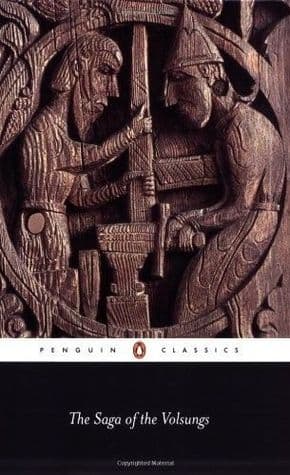
The Saga of the Volsungs cover
Archivist's Choice

The Saga of the Volsungs

Anonymous (2000)

Genre

History

Reading Time

145 min

Key Themes

See below

Track Your Reading

Sign in to track this book

In a world of cursed treasure, reforged swords, and Valkyrie wisdom, Sigurd the dragon-slayer navigates princely jealousy and fated vengeance, echoing the ancient sagas that inspired epics from Attila to Tolkien.

Core Idea

The Saga of the Volsungs, an Icelandic saga from the 13th century, chronicles the legendary history of the Volsung clan, tracing their lineage from Odin through Sigurd, the dragon-slayer, to the fall of the Niflungs. It explores recurring themes of fate, vengeance, and the corrupting influence of power, especially through the cursed ring of Andvaranaut. The narrative shows how characters are bound by blood oaths, prophecies, and an inescapable sense of destiny, leading to a cycle of heroism, betrayal, and tragic downfall. The saga looks at the clash between a rigid heroic code and the complex, often flawed, nature of human beings. It shows the impact of women as both powerful agents and victims of the unfolding tragedy, and the symbolic weight of objects like the reforged sword Gram. Ultimately, it is a foundational text for understanding Norse mythology and heroic epic, revealing how storytelling transmits cultural values and explores human struggles against an often-merciless fate.
Reading time
145 min
Difficulty
Medium
✓ Read this if...
You are interested in Norse mythology, epic sagas, the origins of stories like Wagner's Ring Cycle, or the archetypal journey of a hero facing destiny and betrayal.
✗ Skip this if...
You prefer modern narrative structures, dislike non-linear storytelling with numerous characters, or are not interested in ancient heroic literature.

Core idea

The central argument and framework that powers the entire book.

The Saga of the Volsungs, an Icelandic saga from the 13th century, chronicles the legendary history of the Volsung clan, tracing their lineage from Odin through Sigurd, the dragon-slayer, to the fall of the Niflungs. It explores recurring themes of fate, vengeance, and the corrupting influence of power, especially through the cursed ring of Andvaranaut. The narrative shows how characters are bound by blood oaths, prophecies, and an inescapable sense of destiny, leading to a cycle of heroism, betrayal, and tragic downfall.

The saga looks at the clash between a rigid heroic code and the complex, often flawed, nature of human beings. It shows the impact of women as both powerful agents and victims of the unfolding tragedy, and the symbolic weight of objects like the reforged sword Gram. Ultimately, it is a foundational text for understanding Norse mythology and heroic epic, revealing how storytelling transmits cultural values and explores human struggles against an often-merciless fate.

At a glance

Reading time

145 min

Difficulty

Medium

Read this if...

You are interested in Norse mythology, epic sagas, the origins of stories like Wagner's Ring Cycle, or the archetypal journey of a hero facing destiny and betrayal.

Skip this if...

You prefer modern narrative structures, dislike non-linear storytelling with numerous characters, or are not interested in ancient heroic literature.

Key Takeaways

1

The Cursed Ring of Andvaranaut

Wealth acquired through treachery inevitably leads to ruin.

Quote

The gold will be the death of every man who owns it.

The cursed ring, Andvaranaut, and the hoard of gold it accompanies, are the central catalysts for much of the tragedy in the saga. Acquired through Loki's deceit and the murder of Otr, the treasure carries a curse pronounced by the dwarf Andvari. This curse is a commentary on the corrupting nature of ill-gotten gains and the destructive power of greed. Each successive owner — Hreidmar, Fafnir, Sigurd, and the Niflungs — experiences a violent, often fratricidal, end directly or indirectly linked to their possession of the gold. It show...

Supporting evidence

Loki's forced acquisition of Andvari's gold and ring, followed by Andvari's explicit curse upon the treasure and all who possess it. The subsequent deaths of Hreidmar, Fafnir, Sigurd, and the Niflungs all stem from disputes or desires for this very gold.

Apply this

Reflect on the true cost of ambition and acquisition. Consider whether the means justify the ends, and recognize that pursuing power or wealth through unethical means often brings more suffering than satisfaction. Prioritize integrity over material gain.

andvaranautcursed-goldgreed
2

The Weight of Prophecy and Fate

Despite heroic efforts, characters are often bound by an inescapable destiny.

Quote

For it is fated that you shall die.

The Saga of the Volsungs presents a world where fate, or 'wyrd,' is a powerful, almost tangible force. Characters, particularly Sigurd, are often aware of prophecies foretelling their doom, yet they proceed with their roles, driven by honor, love, or vengeance. This is not passive acceptance but a heroic struggle within predestined parameters. Sigurd's knowledge of his impending death, gained from the talking birds, does not deter him from helping the Niflungs or marrying Gudrun. This shows a core Nordic worldview: courage is not the ...

Supporting evidence

Sigurd's ability to understand the speech of birds, which reveal prophecies of betrayal and his own death. Brynhild's prophetic dreams and her knowledge of the tragic future for Sigurd and herself. Odin's direct interventions and pronouncements of fate.

Apply this

Embrace the present and act with integrity, even when facing uncertain or difficult futures. While we cannot control all outcomes, we can control our responses and actions. Focus on living a life of purpose and honor, regardless of external circumstances.

fatewyrdprophecydestiny
3

The Power of Blood Oaths and Vengeance

Unbreakable vows and the relentless pursuit of retribution drive the narrative's tragic cycles.

Quote

The oath is sworn, and it must be kept.

Blood oaths in the Saga are not mere promises; they are sacred, binding agreements, often sealed with blood and witnessed by the gods, that dictate the course of lives and generations. Breaking such an oath, or failing to exact vengeance for a wrong, is considered the highest dishonor. This societal structure creates relentless cycles of retribution, where one act of violence begets another, trapping characters in an endless spiral of vengeance. Sigurd's blood-brotherhood with Gunnar, and the subsequent betrayal, leads directly to his...

Supporting evidence

The blood-oath between Sigurd and Gunnar. Gudrun's relentless vengeance against Atli for the death of her brothers, and her subsequent vengeance against Atli for the death of her children and Sigurd. The entire conflict between the Niflungs and Atli is driven by vengeance and broken trust.

Apply this

Recognize the long-term consequences of actions driven by revenge or rigid adherence to outdated codes of honor. Seek reconciliation and forgiveness where possible, understanding that perpetuating cycles of harm only leads to further suffering. Value loyalty, but question its blind application.

blood-oathvengeancehonor-culturebetrayal
4

The Archetype of the Dragon-Slayer

Heroic deeds involve confronting and overcoming monstrous obstacles to achieve greatness.

Quote

For it is fated that you shall slay Fafnir, the dragon.

Sigurd's slaying of Fafnir is the act of heroism in the saga, establishing him as a legendary figure. This act is more than just killing a beast; it represents the hero's confrontation with primal evil and greed, embodied by the dragon guarding the cursed gold. By tasting Fafnir's blood and heart, Sigurd gains supernatural wisdom – understanding the speech of birds – which guides his subsequent actions and reveals the treachery of Regin. This moment is a transformative initiation, marking Sigurd's transition from a promising youth to ...

Supporting evidence

Sigurd's elaborate preparation with Regin to dig a pit and ambush Fafnir. His subsequent tasting of Fafnir's blood and heart, which grants him the ability to understand the language of birds, revealing Regin's plan to betray him.

Apply this

Identify the 'dragons' in your own life – the significant challenges, fears, or obstacles – and develop a courageous plan to confront them. Understand that overcoming great difficulties can lead to profound personal growth and new insights. Don't shy away from what seems impossible.

dragon-slayerhero's-journeyfafnirsigurd
5

Women as Agents of Power and Tragedy

Female characters, though often constrained, wield immense influence through love, vengeance, and manipulation.

Quote

My heart is broken, and I shall never again know joy.

While operating within a patriarchal society, women in the Volsung Saga are far from passive. Brynhild, the Valkyrie, is a figure of strength, pride, and magical power, whose love for Sigurd and subsequent betrayal fuels much of the saga's tragedy. Her agency, though often expressed through extreme actions like inciting murder and ultimately taking her own life, shows her refusal to be a mere pawn. Gudrun, initially a loving wife, transforms into a terrifying force of vengeance after Sigurd's death and her brothers' slaughter. Even Hj...

Supporting evidence

Brynhild's magical sleep and the ring of fire, her manipulation of Gunnar to betray Sigurd, and her subsequent suicide. Gudrun's calculated and brutal vengeance against Atli for the murder of her brothers and her children. The wisdom and foresight of Grípi, Sigurd's aunt.

Apply this

Recognize the diverse forms of power and influence that exist beyond conventional structures. Appreciate the strength and agency of individuals who challenge norms or express their will through unconventional means. Understand that intense emotions can be powerful motivators for action, for good or ill.

brynhildgudrunvalkyriefemale-agency
6

The Significance of the Sword Reforged

Inherited legacy and the power of ancestral artifacts shape a hero's identity and destiny.

Quote

This is the sword Gram, which my father bore.

The sword Gram, originally wielded by Sigmund and broken in battle, is a symbol of lineage, destiny, and the cyclical nature of heroism. Its reforging by Regin for Sigurd signifies the continuation of the Volsung line's heroic prowess and the fulfillment of a prophecy. Gram is not merely a tool for killing Fafnir; it represents Sigurd's rightful inheritance and his connection to the legendary deeds of his father. The act of reforging itself implies that even shattered legacies can be made whole and stronger, and that the past can empo...

Supporting evidence

The sword Gram, given to Sigmund by Odin, is broken. Hjördis keeps the pieces. Regin later reforges it for Sigurd, who uses it to slay Fafnir and later to pierce the ring of fire for Brynhild.

Apply this

Reflect on your own heritage and the lessons or strengths you've inherited. Consider how you can 'reforge' aspects of your past — lessons learned, skills acquired — to build a stronger future. Understand that your roots can be a source of power and guidance.

gramreforginglineageancestral-power
7

The Price of Deception and Broken Trust

Betrayal, especially among kin, leads to irreversible devastation.

Quote

For a kinsman's hand, a kinsman's death.

The saga is full of instances of deception and broken trust, often leading to the most tragedies. The initial trickery of Loki to obtain Andvari's gold sets off the chain of misfortune. More devastating, however, is the betrayal within the Niflung court, where Gunnar and Högni, influenced by Brynhild and driven by a warped sense of honor or jealousy, conspire to murder their blood-brother Sigurd. This act of kin-slaying shatters the foundational bonds of loyalty and fellowship, showing that internal treachery is far more destructive t...

Supporting evidence

Loki's trickery against Otr and Andvari. Regin's plan to betray Sigurd after Fafnir's death. The Niflungs' deception of Sigurd regarding Brynhild and their subsequent plotting and murder of him, despite their blood-oath.

Apply this

Cultivate honesty and transparency in your relationships, especially with those closest to you. Understand that trust, once broken, is incredibly difficult to repair and often has far-reaching consequences. Prioritize integrity over expediency or perceived gain.

betrayaldeceptionkin-slayingtrust
8

The Heroic Code vs. Human Frailty

Even the greatest heroes are susceptible to human flaws and external manipulation.

Quote

Though he was the greatest of men, he could not escape his doom.

Sigurd, the quintessential hero, embodies strength, courage, and nobility. Yet, his story is also an exploration of human frailty. He is susceptible to the love potion that makes him forget Brynhild, and later, to the manipulations of Brynhild and the Niflungs. His loyalty to his blood-oath with Gunnar, even when it conflicts with his deeper love for Brynhild, ultimately leads to his downfall. This shows a critical tension: while the heroic code demands honor and adherence to vows, human emotions like love, jealousy, and pride can tra...

Supporting evidence

Sigurd's consumption of the magical drink that makes him forget Brynhild and fall in love with Gudrun. His unwavering adherence to his blood-oath with Gunnar, which prevents him from revealing the truth to Brynhild and ultimately leads to his death.

Apply this

Recognize that even the most admirable individuals have flaws and can make mistakes. Practice empathy and understanding, both for yourself and others, acknowledging the complex interplay of emotions, duties, and external pressures that influence choices. Strive for integrity while being aware of your own vulnerabilities.

heroic-codehuman-frailtyfatal-flawloyalty
9

The Enduring Power of Storytelling

Ancient sagas resonate through generations, influencing art and culture.

Quote

This is the saga of the Volsungs, as it has been told for ages.

The existence and survival of 'The Saga of the Volsungs' show the enduring power of oral tradition and storytelling. Passed down through generations before being committed to writing, its themes of love, loss, heroism, betrayal, and fate have captivated audiences for centuries. The saga's direct influence on works like Wagner's 'Ring Cycle' and Tolkien's 'The Lord of the Rings' demonstrates its timeless narrative strength and archetypal resonance. It proves that compelling stories, even from distant pasts, continue to shape our unders...

Supporting evidence

The saga's documented influence on Richard Wagner's 'Der Ring des Nibelungen' and J. R. R. Tolkien's Middle-earth legendarium, particularly 'The Hobbit' and 'The Lord of the Rings,' with clear parallels in cursed gold, magic rings, and dragon-slaying.

Apply this

Engage with and appreciate the stories that form the bedrock of human culture, understanding their capacity to teach, inspire, and connect us. Consider how your own stories contribute to this ongoing human narrative. Support and preserve diverse forms of storytelling.

storytellingoral-traditionliterary-influencemythology

Critical analysis

Notable Quotes

Many a man is a hero to others who is none to himself.

Often attributed to Sigurd's internal struggles or the nature of heroism.

It is better to fight and fall than to live without hope.

A common sentiment reflecting the warrior ethos throughout the saga.

He who fears to use his sword will never be a king.

Often related to the actions and character expected of a leader, particularly from figures like Sigmund or Sigurd.

Gold is the bane of many, and it often brings sorrow.

Referring to the cursed gold of Andvari, particularly the Ring of Andvari, and its destructive power.

A man's worth is known by his deeds, not by his words.

A recurring theme emphasizing action over boasts, present in various character assessments.

No man can escape his fate, however much he strives.

The pervasive theme of fate and destiny, particularly evident in the tragic lives of the Volsungs.

Love and hate are two sides of the same coin, and both can drive men to madness.

Reflecting the intense emotions that drive the characters, such as the love between Sigurd and Brynhild, and the hatred between families.

The greatest sorrow is to outlive one's kin and see one's line perish.

Expressed by characters like Gudrun, who witnesses the destruction of her family.

He who lives by the sword shall die by the sword, but he shall live forever in song.

A reflection on the warrior's life and the lasting legacy of heroic deeds, even in death.

There is no trust where there is betrayal.

Highlighting the consequences of treachery, a central element in many of the saga's conflicts.

A true king protects his people, even at the cost of his own life.

Embodies the ideal of kingship and selfless leadership, particularly as exemplified by figures like Sigmund or Sigurd.

The serpent's tongue is sharper than any sword.

Referring to the power of deceit, lies, and manipulation, often used by characters like Brynhild or the Niflungs.

Even the strongest tree will fall if its roots are poisoned.

A metaphor for how internal corruption or betrayal can destroy even the most powerful families or kingdoms.

Quiz

Test Your Knowledge

Ready to see how well you understood this book? Take our interactive quiz with 10 questions.

10
Questions
~5
Minutes
?
Best Score

Key Questions (FAQ)

The Saga of the Volsungs is an ancient Norse saga blending mythology, legend, and human drama. It centers on the heroic deeds of Sigurd the dragon slayer, his acquisition of magical knowledge, and the cursed treasure of the Rhine, all set against a backdrop of princely jealousy, love, greed, and vengeance.

About the author

Anonymous

Anonymous may refer to:Anonymity, the state of an individual's identity, or personally identifiable information, being publicly unknown Anonymous work, a work of art or literature that has an unnamed or unknown creator or author Anonymity, a property of a voting rule, saying that it does not discriminate apriori between voters