Cosmic Cycles of Creation and Destruction
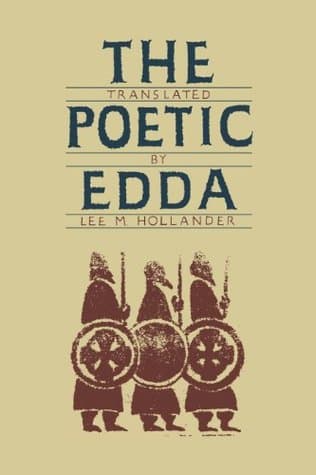
The Edda reveals a cyclical worldview where the universe is born from chaos and destined for fiery renewal.
Quote
From Ymir's flesh the earth was formed, from his blood the sea, mountains from his bones, trees from his hair, and from his skull the sky.
The Poetic Edda describes a cyclical universe, unlike linear Abrahamic stories. The universe starts with the void of Ginnungagap, where fire and ice meet to form Ymir, the first giant. His sacrificed body becomes the cosmos. This creation is not a single, perfect event, but part of a process that includes the coming Ragnarök—the end of the gods, a huge battle, and world-ending fire. Ragnarök, however, is not a final end, but a cleansing fire that allows a new world to emerge. This cyclical nature gives the Norse worldview a sense of f...
Supporting evidence
The 'Voluspa' (Prophecy of the Seeress) vividly details the creation myth from Ymir's body and the subsequent events leading to and following Ragnarok, including the rebirth of the world and new gods.
Apply this
Embrace the impermanence of existence and the inevitability of change. Recognize that destruction can be a precursor to new beginnings, fostering resilience and a long-term perspective on personal and societal challenges.