The Tyranny of the 'Good Body' Ideal
Society's shifting beauty standards create an unattainable and self-destructive pursuit of physical perfection.
Quote
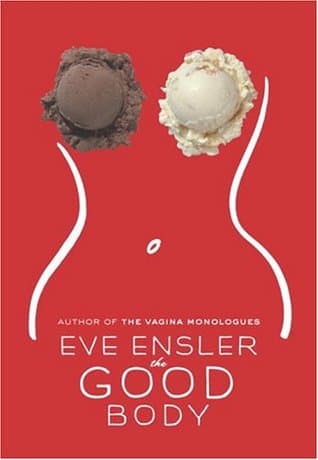
In the 1950s, girls were 'pretty, perky. They had a blond Clairol wave in their hair. They wore girdles and waist-pinchers.' In recent years good girls join the army. They climb the corporate ladder. They go to the gym. They wear painful pointy shoes. They don’t eat too much. They don’t eat at all. They stay perfect. They stay thin. I could never be good.
Ensler shows how the idea of a 'good body' changes based on culture and history, not on health or self-worth. This ideal, whether it's the tiny waist of the 1950s or today's super-fit, thin look, always pushes women to change themselves physically and mentally. The main point is that this pursuit is pointless and harmful, causing women to lose touch with who they really are. The book argues that this constant chase is not about getting better, but about fitting an outside standard that makes women hate themselves and feel anxious.
Supporting evidence
Ensler's opening personal narrative contrasting 1950s ideals with contemporary expectations, coupled with her own struggles with her 'post-forties' stomach and various fad diets and trainers.
Apply this
Recognize and deconstruct the external pressures shaping your body image. Question where these ideals originate and whether they serve your well-being or simply an arbitrary cultural norm. Challenge the notion that your body needs to be 'fixed' to be 'good.'